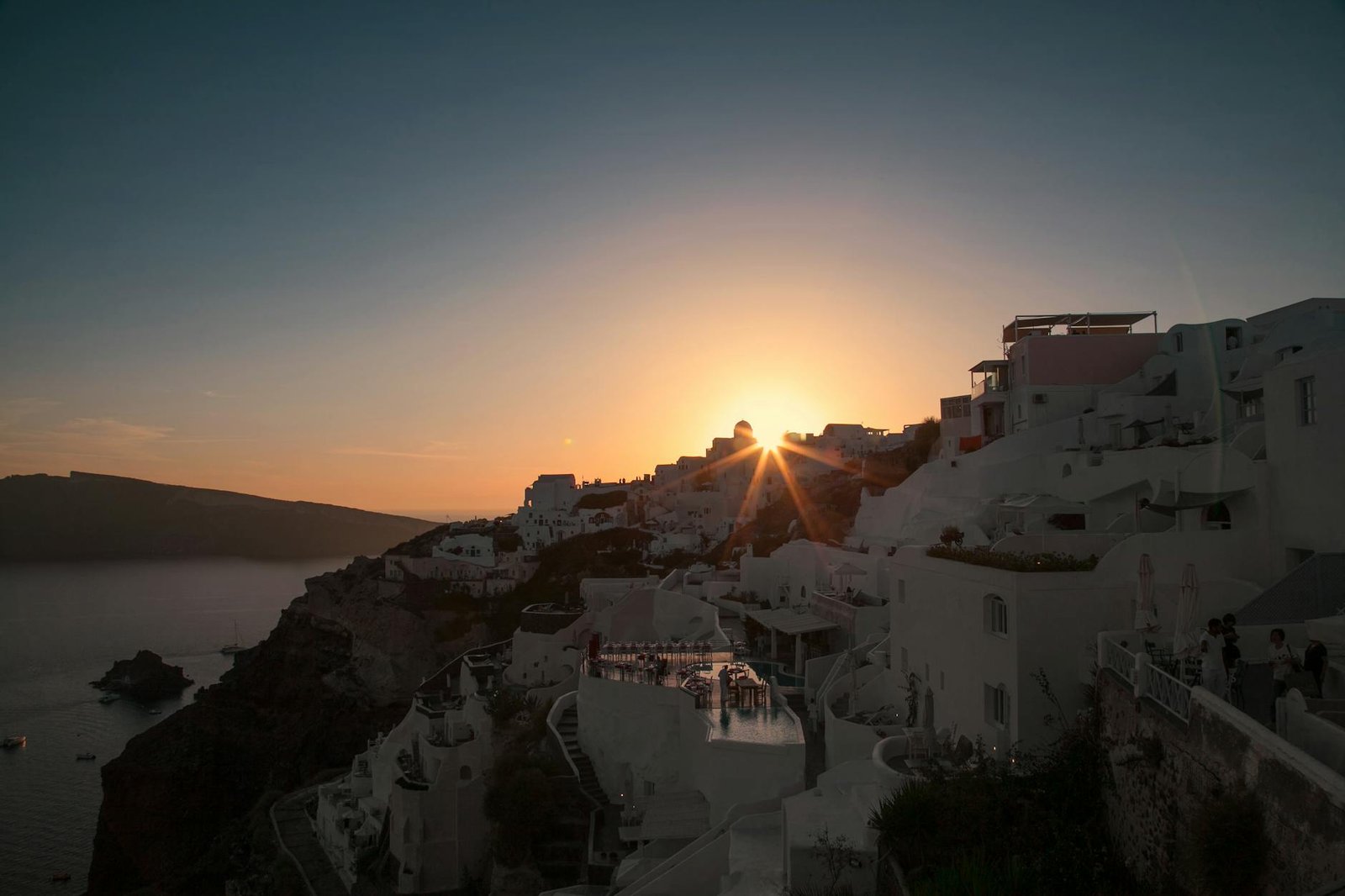
Every evening in Santorini, the same thing happens and it never gets old. The sun drops toward the caldera rim and the sky does something that painters have been chasing for centuries — layers of amber, coral, violet, and deep rose reflecting off the whitewashed cliffs, turning the Aegean into something that looks genuinely molten. The Oia sunset is not hype. It earns every photograph, every Instagram post, every breathless recommendation. But experiencing it well means knowing what you’re walking into before you get there.
Why Is Oia’s Sunset So Famous?
Geography does all the work. Oia sits on the northwestern tip of Santorini, perched on a cliff edge that faces almost directly west. The caldera — the flooded crater of the ancient supervolcano beneath you — creates a vast, uninterrupted horizon. No land in the way. Just open water and sky between you and the sun’s descent. The caldera surface catches and throws back every change in the light. The whitewashed walls amplify colour in a way that feels almost artificial. The result is a sunset that’s architectural in a way you don’t expect — the landscape doesn’t just host it, it participates.
On a clear evening, the sun drops below the horizon in a last flash of pure gold. Then the sky keeps going for another 30–40 minutes. The afterglow is frequently more spectacular than the sunset itself, and most people miss it because they leave too soon.
The Best Spots to Watch the Sunset in Oia
1. The Byzantine Castle Ruins (Kastro)
The famous one. A partially ruined Byzantine fortress at Oia’s northern end, with a broad terrace facing due west. In July and August, this fills 2–3 hours before sunset — we’re talking thousands of people on every available wall, step, and ledge. Get there by 6pm if you want a decent position. It sounds exhausting and it is a little exhausting, but the communal energy is genuinely something. When the sun finally disappears, the crowd erupts. Do it once.
Get the Free Santorini Insider Guide
Where to watch the sunset without the crowds, which villages deserve your day, and what you need to book before you arrive.
2. Caldera-View Restaurant Terraces
Honestly the most civilised option. The right table at the right restaurant means you’re seated with food and wine while the light shifts around you — no jostling, no standing on your feet for two hours. The catch: caldera-view restaurants in Oia charge accordingly, and reservations need to be made weeks ahead in peak season. For a birthday, an anniversary, a proposal — absolutely worth it.
3. Hotel Infinity Pool Terraces
Staying at one of Oia’s caldera-edge properties — Canaves, Andronis, Perivolas — means your terrace or infinity pool becomes a private sunset theatre. No crowds, no noise except the water. Champagne in hand, the whole caldera to yourself. It’s the most indulgent version of this experience and, yes, the hotels charge for that privilege in their room rates.
4. The Oia–Imerovigli Walking Path
This is the one most people skip. The caldera rim path heading south from Oia has multiple points where the cliff falls away and the full western horizon opens up. Less than a 10-minute walk from the castle ruins, the path thins and so do the people on it. Find a rock ledge, sit down, and watch the same sunset that’s drawing five thousand people to the castle — in near-solitude. Genuinely underused by tourists. No idea why.
5. Ammoudi Bay (Below Oia)
Descend the 200 steps to Ammoudi Bay and you get a completely different angle. Looking back up at Oia from the water’s edge as the cliff face glows in the last light, fishing boats rocking in the harbour, an Assyrtiko on the table in front of you — it’s its own kind of special. More about Ammoudi Bay →
Timing: When Does Sunset Happen?
Sunset times in Santorini vary significantly by season:
- June: Sunset ~8:45–9:00pm. The longest, most dramatic sunsets of the year.
- July: Sunset ~8:30–8:50pm. Peak season — arrive at the castle ruins by 6pm minimum.
- August: Sunset ~8:00–8:30pm. Still spectacular. Crowds begin dispersing slightly from the busiest weeks.
- September: Sunset ~7:20–7:50pm. Crowds noticeably thinner, light quality superb.
- October: Sunset ~6:30–7:00pm. One of the best months for the sunset — warm golden light, minimal crowds.
Stay 30–40 minutes after the sun drops. Most people leave the second it disappears below the horizon. The ones who stick around get the afterglow — deep purples bleeding into rose, the caldera going dark below a sky that still can’t quite decide what colour it wants to be. That’s the part worth waiting for.
The Honest Crowd Reality (and How to Handle It)
July and August at the Oia castle ruins means 3,000–5,000 people in one place at once. Cruise ships time their arrivals specifically to bus passengers in for the sunset. The alleys leading up to the castle are effectively impassable from 7pm onward. That’s not a deterrent — it’s just the reality you’re planning around.
Pros
- Uninterrupted westward horizon over the caldera produces extraordinary layered colours — amber, coral, violet, rose — that the whitewashed cliffs amplify
- The afterglow 30–40 minutes after sunset is frequently more spectacular than the sunset itself
- Multiple viewing options exist: castle ruins, restaurant terraces, hotel infinity pools, the caldera walking path, Ammoudi Bay, and catamarans on the water
- After day-trippers leave post-sunset, Oia transforms into a quiet, atmospheric village that rewards those who stay
Cons
- In July and August the castle ruins draw 3,000–5,000 people at once; alleys are effectively impassable from 7pm onward
- Peak-season castle viewing requires arriving up to 90 minutes early and standing for hours in a dense crowd
- Caldera-view restaurant terraces require reservations made weeks ahead in peak season and charge premium prices
- Cruise ships time arrivals specifically for the sunset, adding large numbers of day-trippers to an already crowded scene
Strategies that work:
- Get there early — being at the castle by 5:30–6pm in peak season secures a front position. Bring snacks, water, a book. The wait becomes part of the experience.
- Watch from Imerovigli — the village 3km south has the same western exposure, the same caldera horizon, and a fraction of the crowd. Equally beautiful, far less chaotic.
- Book a catamaran — watching the Oia sunset from the water with the lit cliffs rising up in front of you is objectively the most spectacular angle on this whole thing. See catamaran tours →
- Walk the path — 10 minutes south of the castle, nearly empty, same view.
After the Sunset: Oia at Night
Here’s what most visitors miss entirely. In the hour after sunset, Oia transforms. The day-trippers pile back onto their cruise ships and buses. The village empties out. The shops stay lit, the restaurants fill up with the people actually staying here, and the alleys go quiet in a way that feels almost eerie given what they looked like an hour earlier.
The sky works through shades of blue that have no real name before full dark arrives. The caldera below catches the first stars and the scattered lights of Fira across the water. Walk the main street at 9pm. Have dinner somewhere with a terrace. This is the part of Santorini that doesn’t photograph well but stays with you — the island after the spectacle, belonging to itself again.
Photography Tips for the Oia Sunset
- Arrive early to scout your position. Moving once the crowd is established is nearly impossible.
- Shoot in RAW if you have the option — the dynamic range of a Santorini sunset is extreme and RAW files recover far more detail.
- Don’t only shoot the horizon — turn around. The light on the east side of Oia as the sun sets west is extraordinary: warm amber on white walls, deep shadows in the alleys, the village turning gold.
- Stay for the afterglow — the 20 minutes after the sun drops often produces the most photogenic sky.
- Use the crowd — a photograph of 3,000 silhouettes against a burning Aegean horizon is itself a powerful image.
The Oia Sunset as Shared Experience
There’s something that happens at the Oia castle ruins that I find difficult to explain to anyone who hasn’t seen it. The moment the sun touches the horizon, thousands of people from dozens of countries go briefly, collectively silent — and then, as it disappears, they applaud. Spontaneously. Every evening. In every language. It’s the strangest and most purely human thing I’ve encountered while travelling.
Go. Stand in the crowd or find your quiet spot on the walking path. Watch the sun sink into the Aegean. Stay for the afterglow when everyone else leaves. It will be exactly what you hoped for — and the part that surprises you will be something else entirely.
Oia Sunset: Exactly Where to Stand, When to Arrive, and What Nobody Tells You
The Byzantine Castle ruins — properly called Oia Castle — are where the photographs come from, and everyone knows it. In July and August, people are staking out wall space by 5:30 PM for an 8:45 PM sunset. You will be standing in a dense, sweating crowd for three hours. The view is genuinely the best on the island. That trade-off is real and you should make it with open eyes, not stumble into it.
The windmills, roughly 200 meters east along the castle ridge, offer nearly the same westward angle with about forty percent fewer people. The foreground is less dramatic — you lose the cascading white dome composition — but you can actually move. Arrive by 6:30 PM in summer and you will have a comfortable position.
The path descending toward Ammoudi Bay is underused and genuinely good. As you walk down the stepped donkey path from the western edge of the village, you reach two or three natural rock ledges that face almost due west. You are below the crowd noise. The light hits the caldera cliffs differently — warmer, more textured. Nobody is selling you anything. Arrive thirty minutes before sunset; you will have it almost to yourself even in August.
Skiza cafe, on the caldera path between the castle and the main village, has a small terrace with a clear western sightline. It costs you a drink, maybe twelve euros, and you get a seat. The view is slightly obstructed on the left by a building edge. Acceptable trade. Book the terrace in advance during peak season; they fill by 7 PM.
Faros, the small lighthouse at Oia’s western tip, is what most visitors walk past without stopping. The structure itself is modest, but the 270-degree horizon view here has no caldera drama — it faces open sea. Different experience entirely, worth it if you are tired of the postcard.
- Shoulder season (May, late September): arrive at the castle ruins 45 minutes early rather than two hours. Crowds are manageable.
- Peak summer: castle ruins require 90 minutes minimum, or skip entirely in favor of the Ammoudi path.
- The actual best-kept alternative is Imerovigli, the village south along the caldera rim. Skaros Rock there faces the same sunset with a fraction of the crowd and a superior height advantage.
- After sunset, the castle crowd disperses instantly onto one narrow path. Leave two minutes early and walk ahead of it.
The hype around Oia sunset is justified and exhausting in equal measure. The light is extraordinary. So is the mob. Plan accordingly.
Frequently Asked Questions
What time should I arrive in Oia to get a good spot for sunset?
Is it worth paying for a restaurant table to watch the sunset in Oia?
Can I photograph the Oia sunset with just my phone, or do I need professional camera equipment?
Are there quieter alternative spots to watch the sunset if Oia is too crowded?
What should I bring to watch the sunset in Oia during summer?
More Things to Do in Santorini
Top-rated experiences with free cancellation and instant confirmation.
Related Articles
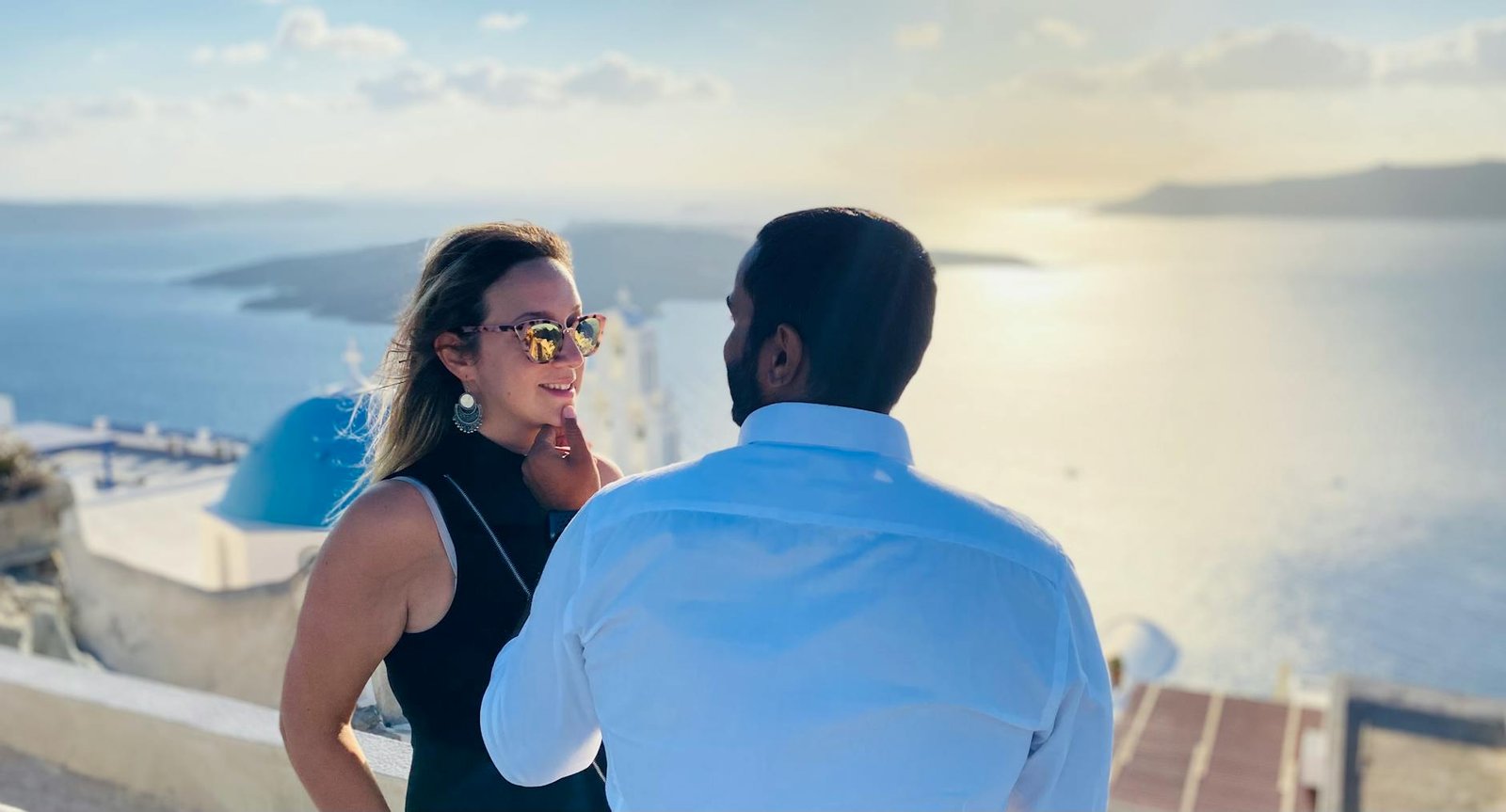
Santorini in 2026: Still Worth the Hype for Honeymooners? I’ve been to Santorini four times now. The first…
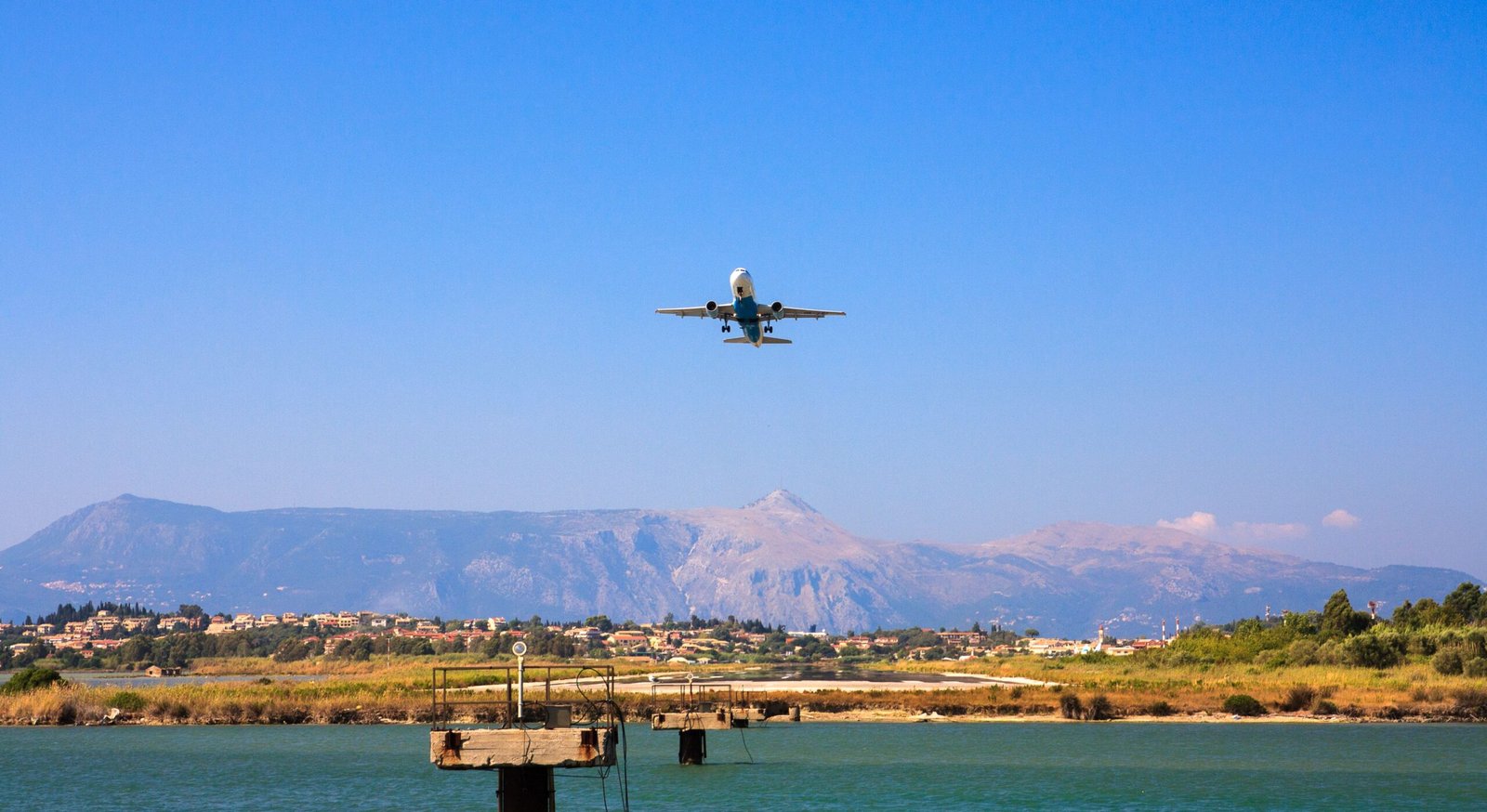
Landing at Santorini Airport (JTR) — What to Expect The Santorini airport experience is genuinely chaotic in peak…
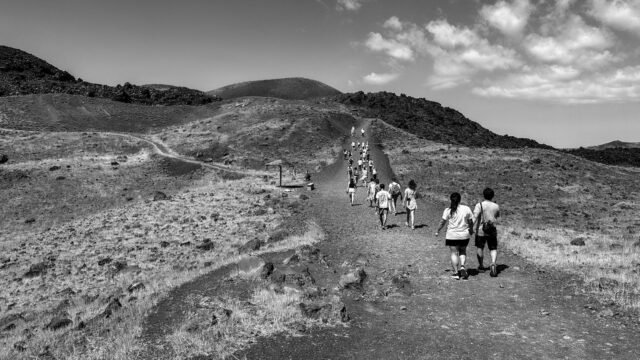
Updated September 2026: Update, September 2026: The summer crowds have thinned noticeably since mid-August, and the afternoon boat…