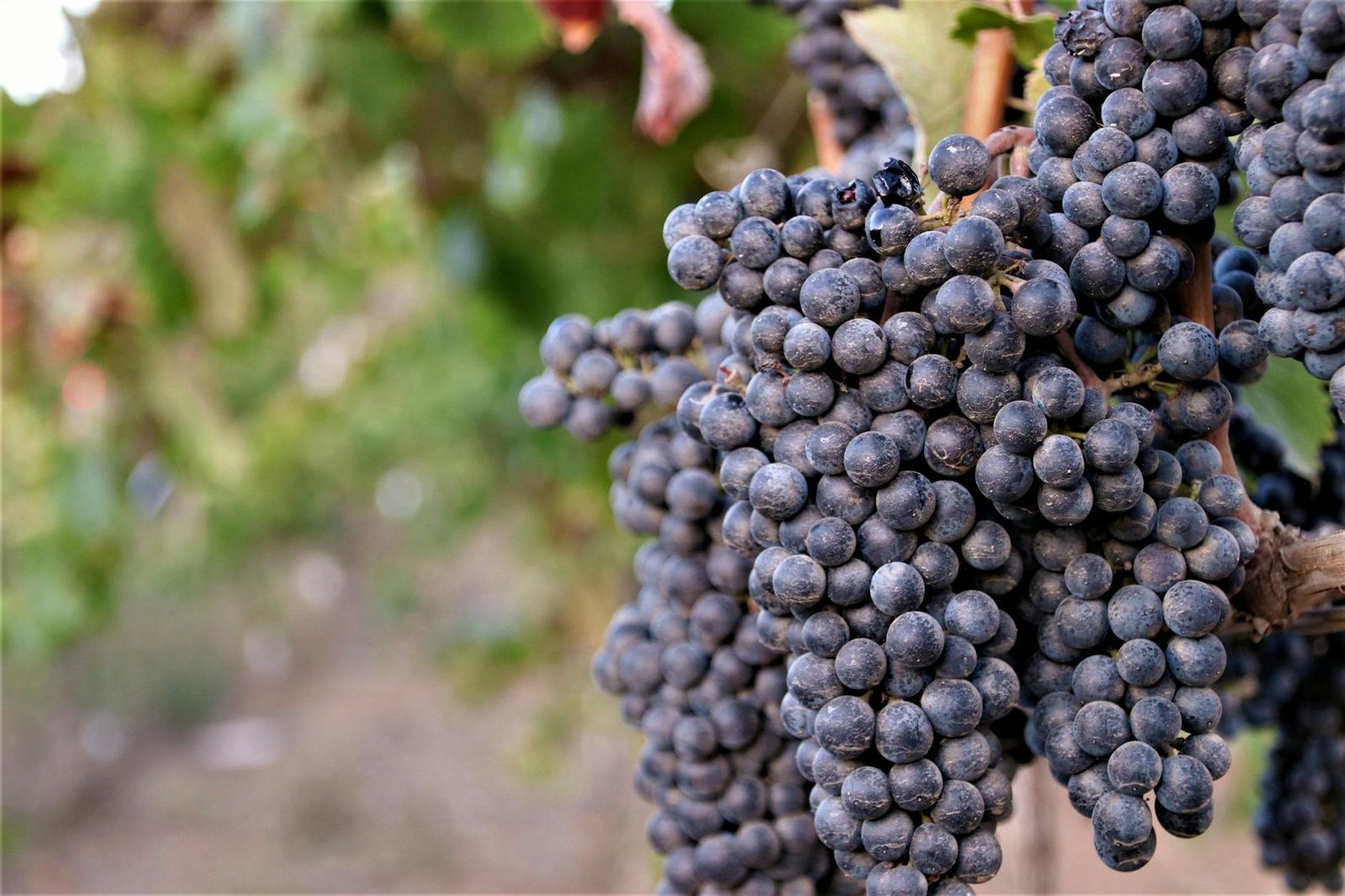
Why Santorini Wine is Unlike Any Other
Santorini produces some of the world’s most distinctive — and internationally acclaimed — wines, and the reason comes down entirely to the conditions under which its vines grow. The island sits on volcanic ash and pumice (called aspa) from the catastrophic 1600 BC eruption, which forces vine roots to descend 20–30 metres just to find moisture. That struggle creates extraordinary concentration in every single grape. Summer brings near-zero rainfall, punishing sun, and relentless meltemi winds.

The traditional fix — training vines into low basket-like coils called kouloura or kouloures — shields the grapes from wind damage while letting morning sea mist settle in overnight. Some of these vines are over 300 years old. You can see them dotting the landscape between villages, looking almost alien against the grey volcanic earth. The grapes that come out of this environment taste like nowhere else on earth.
Key Wine Varieties
- Assyrtiko — The island’s signature white grape. Dry, mineral, high acidity, with citrus, stone fruit, and a distinctly saline quality. Santorini Assyrtiko has genuine international recognition; top bottles from Gaia, Hatzidakis, and Domaine Sigalas are collected worldwide.
- Aidani — A fragrant, lighter white blended with Assyrtiko or vinified on its own. Floral and approachable — often the best starting point for wine tourists who find Assyrtiko’s sharp minerality a bit confronting at first.
- Athiri — Used mainly in blends. Aromatic, softer, and lower acid than Assyrtiko.
- Nykteri — A late-harvest white, traditionally vinified overnight. Richer, more complex.
- Mavrotragano — A rare red that nearly went extinct before local producers rescued it. Produces a dark, tannic, complex red wine that challenges the assumption Santorini is only a white wine island.
- Vinsanto — Sweet dessert wine from sun-dried grapes. Outstanding with local honey and cheese. See below for full details.
Vinsanto — Santorini’s Legendary Dessert Wine
Vinsanto — from Vino di Santo, “wine of the saints” — is made from sun-dried Assyrtiko, Aidani, and Athiri grapes. After harvest, the grapes are spread across flat rooftops for 12–14 days, concentrating their sugars dramatically in the island heat. The must ferments slowly and then ages in oak barrels, sometimes for decades. What you end up with is an amber, intensely sweet wine carrying notes of dried fig, caramel, citrus peel, and warm spice. A small glass alongside local desserts or a sharp aged cheese is one of those moments you don’t forget.
Best Wineries to Visit
Santo Wines (Pyrgos) — The island co-operative, perched right at the caldera edge. Views are genuinely dramatic and the tasting room is well set up for first-timers. Produces consistently solid wines at prices that won’t make you wince. A good introduction to the full Santorini wine range before you go deeper elsewhere.
Pros
- Tastings cover 4–6 wines per stop with food pairings (fava, tomatokeftedes, local cheese) included
- Some wineries (e.g. Gavalas, Hatzidakis) offer intimate, personal experiences — small groups or family-run settings
- Booking directly with wineries saves 30–40% over tour operators and often grants access to family-run spots not heavily advertised online
- September visits may allow joining the harvest picking by hand
Cons
- Private tours are expensive at EUR 150–250 per person
- Summer heat is intense — winery tours now start before 9 a.m. to cope, and Aegean sun during 45–60 minutes of continuous pouring can be punishing
- July peak season brings tourist crowds and congestion at popular wineries
- Some wineries (e.g. Domaine Sigalas) require advance booking appointments
Get the Free Santorini Insider Guide
Where to watch the sunset without the crowds, which villages deserve your day, and what you need to book before you arrive.
Estate Argyros — One of the most respected producers on the island. Serious wines and excellent guided tours. Don’t skip it.

Domaine Sigalas (Baxedes) — Boutique winery known for some of the finest Assyrtiko on the island, including the Kavalieros bottling. Tastings by appointment, small groups only — book ahead. The intimacy makes a real difference.
Gaia Wines (Megalochori) — Modern winery with a beautiful tasting room. Their Thalassitis Assyrtiko and Wild Ferment bottlings are considered island benchmarks. The winemaking team knows their terroir deeply and actually wants to talk about it.
Hatzidakis Winery (Pyrgos) — Small, family-run, with a devoted following among serious wine people. Limited production, very high quality. Tastings feel personal rather than performative.
Gavalas Winery (Megalochori) — Family operation with vines dating back centuries. The most intimate tasting on the island — you’re basically in someone’s home.
What to Expect on a Wine Tour
A typical organised wine tour visits 2–3 wineries, pours 4–6 wines per stop with proper explanations, and pairs tastings with local foods — fava, tomatokeftedes, tomato paste, white eggplant, local cheese. Hotel pickup and drop-off is standard. Budget 4–5 hours and €65–110 per person. Private tours with custom winery selection, private tasting rooms, and chef pairing run €150–250 per person — steep, but genuinely worthwhile for serious wine enthusiasts.
Best Time for Wine Tourism
Harvest happens in August — you may actually see the kouloura vines being picked by hand, which is worth witnessing. September is the best month for wine tours: the grapes are in, wineries are buzzing with energy, and you might get to join in the picking if you ask nicely. Spring, particularly May and June, is quieter and cooler — ideal if you want to taste without sweating through your shirt or elbowing past tour groups.
Tips for Wine Tasting in Santorini
- Eat a proper meal before you go — most winery stops involve 45–60 minutes of continuous pouring and the Aegean sun has no mercy.
- Skip the strong perfume; it genuinely kills your ability to smell what’s in the glass.
- Pace yourself at the first winery, because that’s where your palate is freshest.
- Always taste the Assyrtiko before anything else — start with the most mineral, austere wines and work toward the sweeter ones.
- Ask specifically about the difference between stainless steel-aged and oak-aged Assyrtiko from the same producer. The contrast is remarkable and tells you more about this grape in five minutes than an hour of reading could.
Hungry for more? Our sister site FoodTourTrails has an in-depth Santorini food guide — best dishes, where locals actually eat, and food tours worth booking.
Frequently Asked Questions
What wines should I try on a Santorini wine tour?
How many wineries do Santorini wine tours typically visit?
Is Santorini wine expensive?
Can I visit Santorini wineries without a tour?
What time of year is best for a Santorini wine tour?
More Things to Do in Santorini
Top-rated experiences with free cancellation and instant confirmation.
Related Articles

Updated July 2026: Updated July 2026: If you’re visiting this summer, book your shoot at least three to…
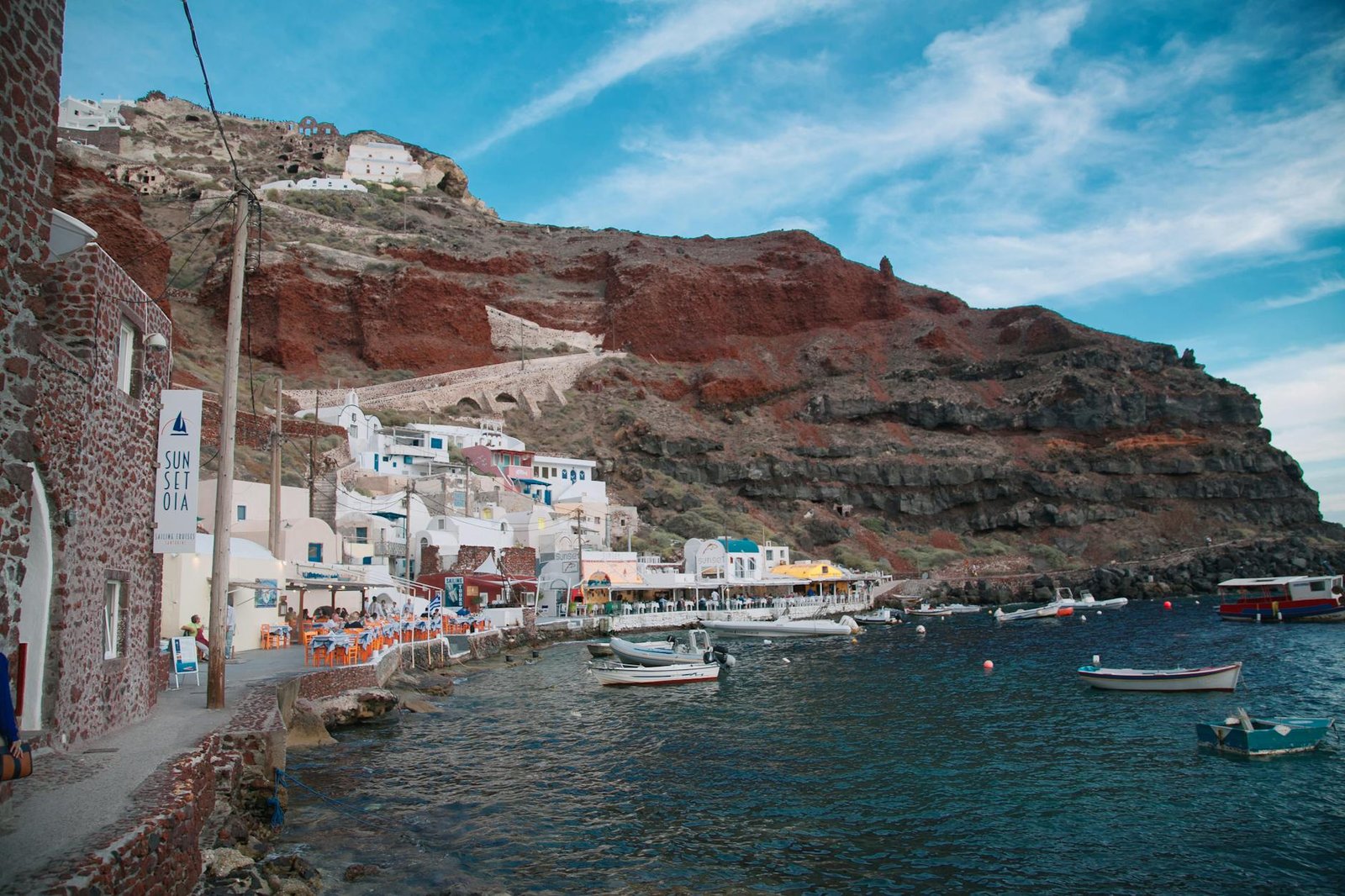
Updated July 2026: Updated July 2026: Prices at the tavernas along the water have crept up again this…
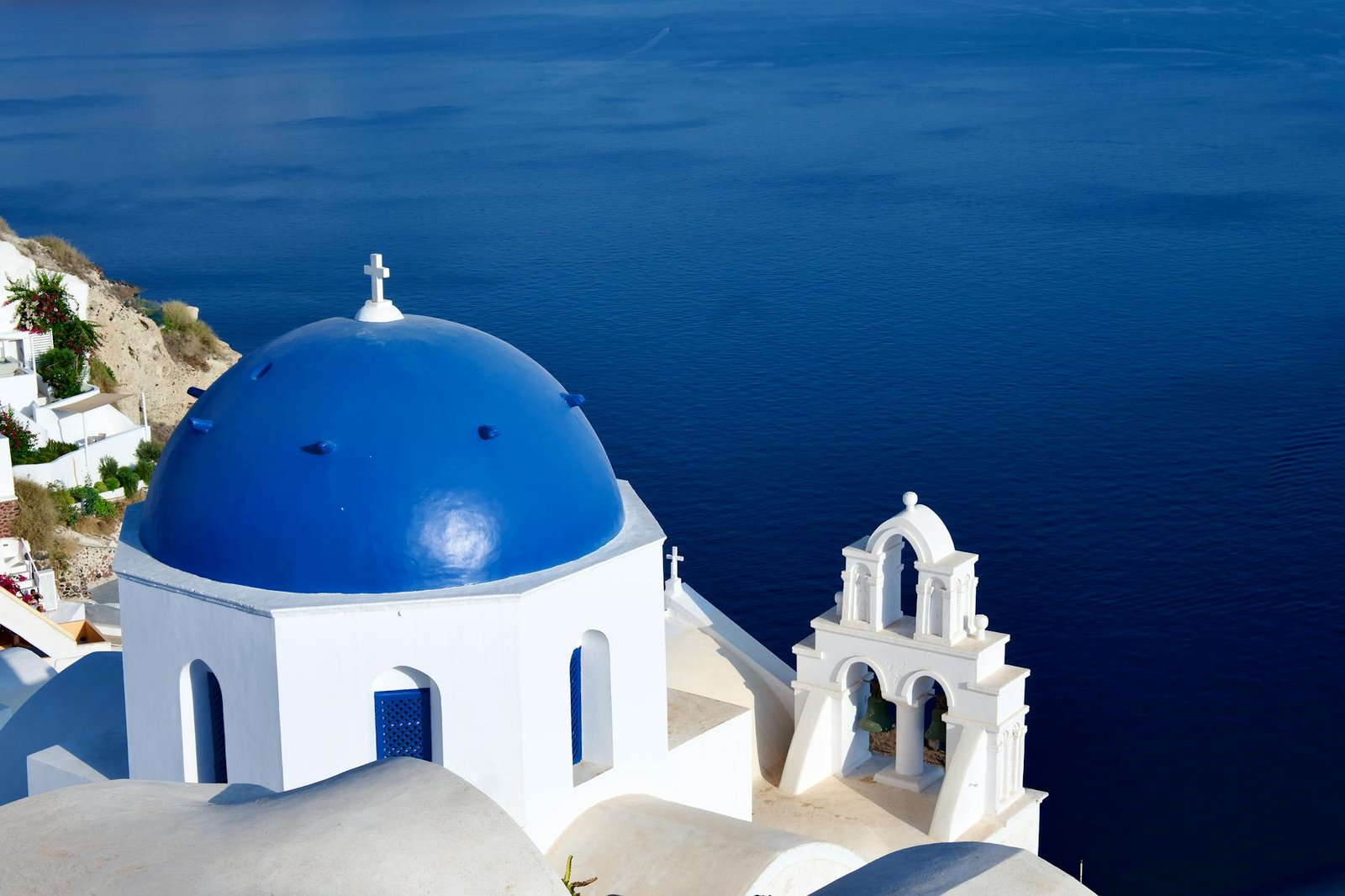
Find Santorini most photogenic secret locations with a local photography guide — beyond the blue domes and tourist…