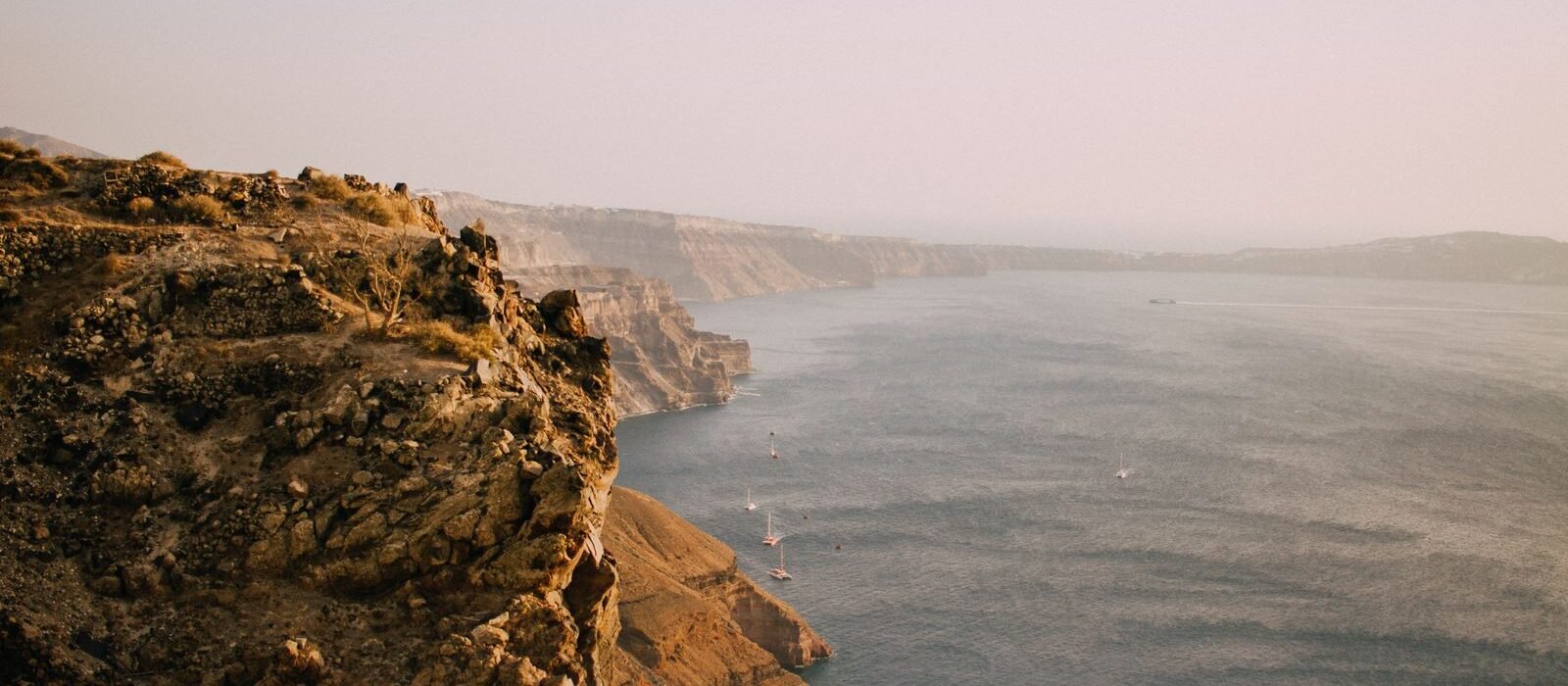
Santorini Beyond the Blue Domes
Most people come to Santorini for the sunsets and the overpriced wine. But rock climbing in Santorini has quietly become one of the more rewarding physical experiences you can have on this island — and for 2026, the local guiding scene has finally matured enough to be worth your time and money.
Late May is the time to climb here, well ahead of July or August. The volcanic rock is grippy and interesting, the light is extraordinary in the morning hours, and you won’t be sharing your approach trail with forty people in flip flops. Come midsummer and the heat alone will defeat you before the routes do.
The Rock Itself
Santorini’s cliffs are formed from rhyolite, pumice, and compacted volcanic ash — collectively called ignimbrite. It feels nothing like limestone or granite. The surface has a rough, almost abrasive texture that eats your skin on longer routes, so tape your fingers regardless of what the guidebook says. Some sections are solid and satisfying; others are genuinely crumbly, and you need to test every hold before committing weight. That unpredictability is part of the appeal, honestly. It keeps you honest.
Where to Actually Climb
Mesa Vouno
This is the big one. The mountain sits at the southeastern end of the island near Perissa and Perivolos beaches, and it holds the most developed sport climbing on Santorini. Routes range from 5a to 7b+ (French grades), so there’s something for complete beginners through experienced leaders. The approach from Perissa takes about 20 minutes on foot. Parking is free at the base of the trail. Most bolted routes here were installed or rebolted between 2021 and 2024, so the protection is generally trustworthy — but always clip your first bolt before you pull hard on anything.
Get the Free Santorini Insider Guide
Where to watch the sunset without the crowds, which villages deserve your day, and what you need to book before you arrive.
Skaros Rock
This dramatic promontory above Imerovigli looks like something from a fantasy novel. It’s not a sport climbing destination — there are no bolts — but scrambling routes exist for confident scramblers comfortable with exposure. Wear real shoes. The path from Imerovigli takes about 15 minutes to reach the saddle, and from there you gain the old Venetian fortress ruins. Views across the caldera are genuinely disorienting in scale. Don’t attempt this after rain; the volcanic rock turns slick and the path becomes treacherous.
Cape Akrotiri
Less visited than Mesa Vouno, the southern cape near the lighthouse has some interesting bouldering on lower sea cliffs. It’s informal, not widely documented in English-language guidebooks, and you’ll need a local contact to point you to the best problems. The setting — ocean on three sides, the smell of thyme and diesel from fishing boats — is worth the effort even if the climbing itself is inconsistent.
Finding a Local Guide
This matters more on Santorini than on most climbing destinations because route finding is genuinely confusing and some areas have access sensitivities with local landowners. A good local guide costs around €80–120 per person for a half-day session including gear, which is fair. I’d recommend checking listings on GetYourGuide for vetted operators — there are currently two or three Santorini-based climbing guides listed there with solid recent reviews. Viator also carries a small-group volcanic cliffs experience that I haven’t personally done but has been recommended by climbers I trust.
Pros
- Singular volcanic landscape experience — caldera views from the route at Mesa Vouno described as genuinely unique
- Well-developed sport climbing at Mesa Vouno with routes from 5a to 7b+, suitable for beginners through experienced leaders
- Bolts at Mesa Vouno mostly installed or rebolted 2021–2024, so protection is generally trustworthy
- Late spring visits (e.g. late May) offer grippy rock, extraordinary morning light, and uncrowded approaches
Cons
- Rock quality is inconsistent — some sections are crumbly, requiring testing every hold before weighting
- Low route density and frustrating rock quality in places; not a tick-list destination like Kalymnos
- Island tourism infrastructure means everything costs more than it should
- Summer heat is a serious hazard; July–August conditions can defeat climbers before the routes do
If you want to go independent, the topo guide published by a local climber named Nikos Papadopoulos is photocopied and sold at a small gear shop near Perissa beach for about €8. It’s rough but functional. The shop also rents harnesses and helmets for €10–15 per day.
Fitness and Experience Level
Be honest with yourself here. Beginners can absolutely have a great time on the easier Mesa Vouno routes with a guide. But Santorini is not the place to try climbing for the first time without instruction — the rock’s inconsistency means bad technique gets punished more than on a polished sport crag. Intermediate climbers leading 6a–6c will find the best selection of quality routes. Strong climbers will find a handful of worthwhile harder lines but this isn’t Kalymnos; don’t expect a tick-list destination.
Physical fitness matters separately from climbing grade. The approaches involve uneven volcanic terrain, sometimes loose underfoot. If you’re not comfortable hiking on rough ground in the heat, factor that in. Start early — before 8am in summer — and carry at least two liters of water per person.
Practical Logistics for 2026
- Best months: April, May, October. Avoid July–August heat.
- Getting to Mesa Vouno: Rent a scooter or ATV from Fira (around €25/day) or take the local bus to Perissa (€1.80, runs hourly in summer).
- Gear rental: The shop near Perissa beach is your best option; don’t expect a full-service climbing shop anywhere on the island.
- Shoes: Bring your own climbing shoes. Rental slippers are old and poorly fitted.
- Emergency: Save the Santorini health center number: +30 22860 22237. Mobile signal is good across most climbing areas.
- Permits: Currently no formal permit system, but respect any private land signage you encounter.
An Honest Assessment
Santorini isn’t going to replace your annual trip to a proper sport climbing destination. The route density is low, some rock quality is frustrating, and the island’s tourism infrastructure means everything costs more than it should. But climbing here offers something different — a physical engagement with a volcanic landscape that most visitors completely ignore. Standing on a route at Mesa Vouno, caldera visible between your feet, warm rock under your palms — that’s genuinely singular. It earns its place in a varied climbing itinerary, especially if you combine it with a few rest days doing the normal Santorini things your travel companions want to do anyway.
Frequently Asked Questions
Do I need prior climbing experience to rock climb in Santorini?
What is the best time of year to climb in Santorini?
Can I rent climbing gear on the island?
Is Mesa Vouno suitable for intermediate climbers?
Are there group climbing tours available in Santorini?
More Things to Do in Santorini
Top-rated experiences with free cancellation and instant confirmation.
Related Articles
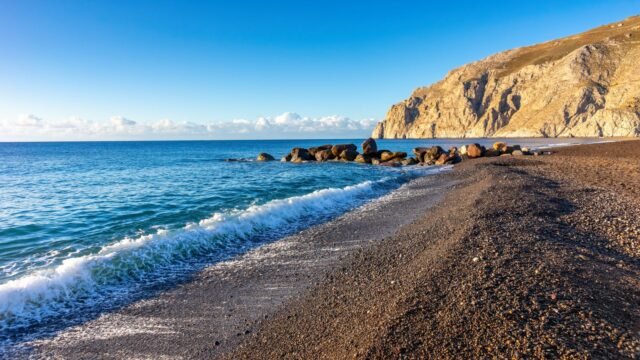
Visit the ancient Bronze Age city of Akrotiri — preserved under volcanic ash for 3,600 years and one…
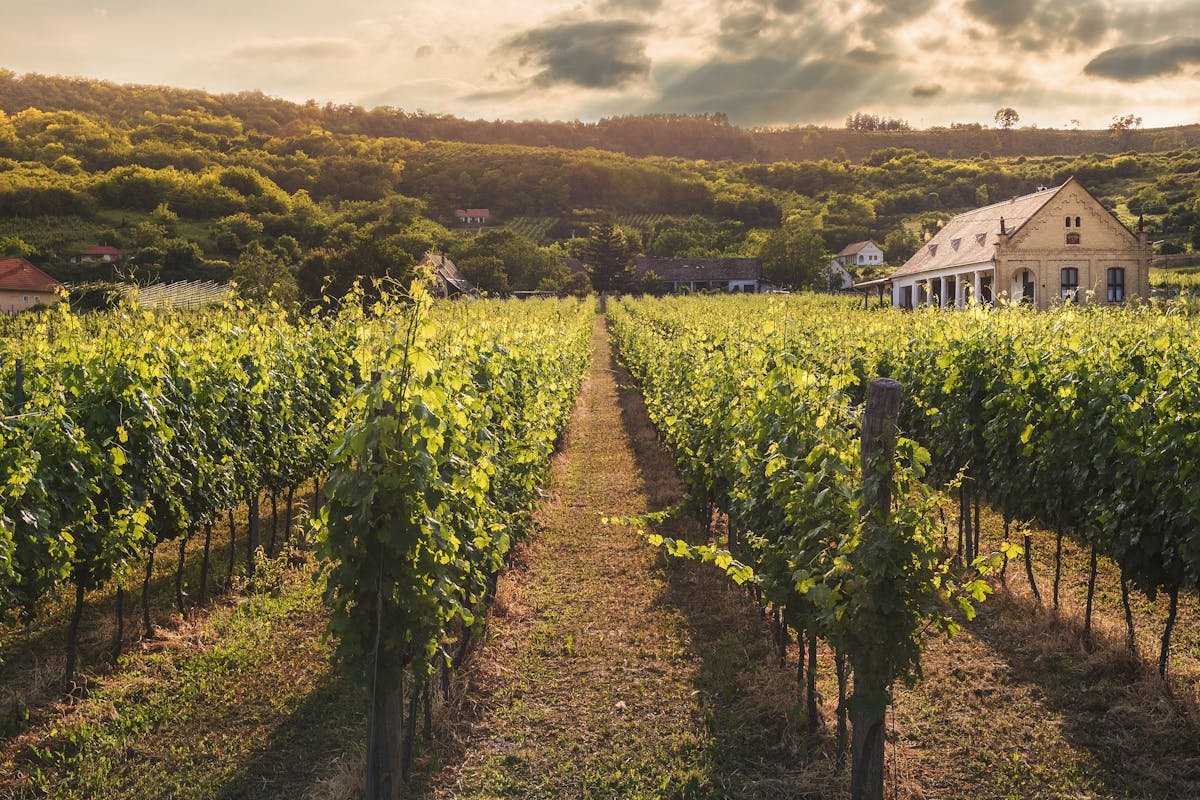
September is Santorini’s best-kept secret. The Aegean sits at its warmest — 25–26°C — crowds drop off dramatically,…
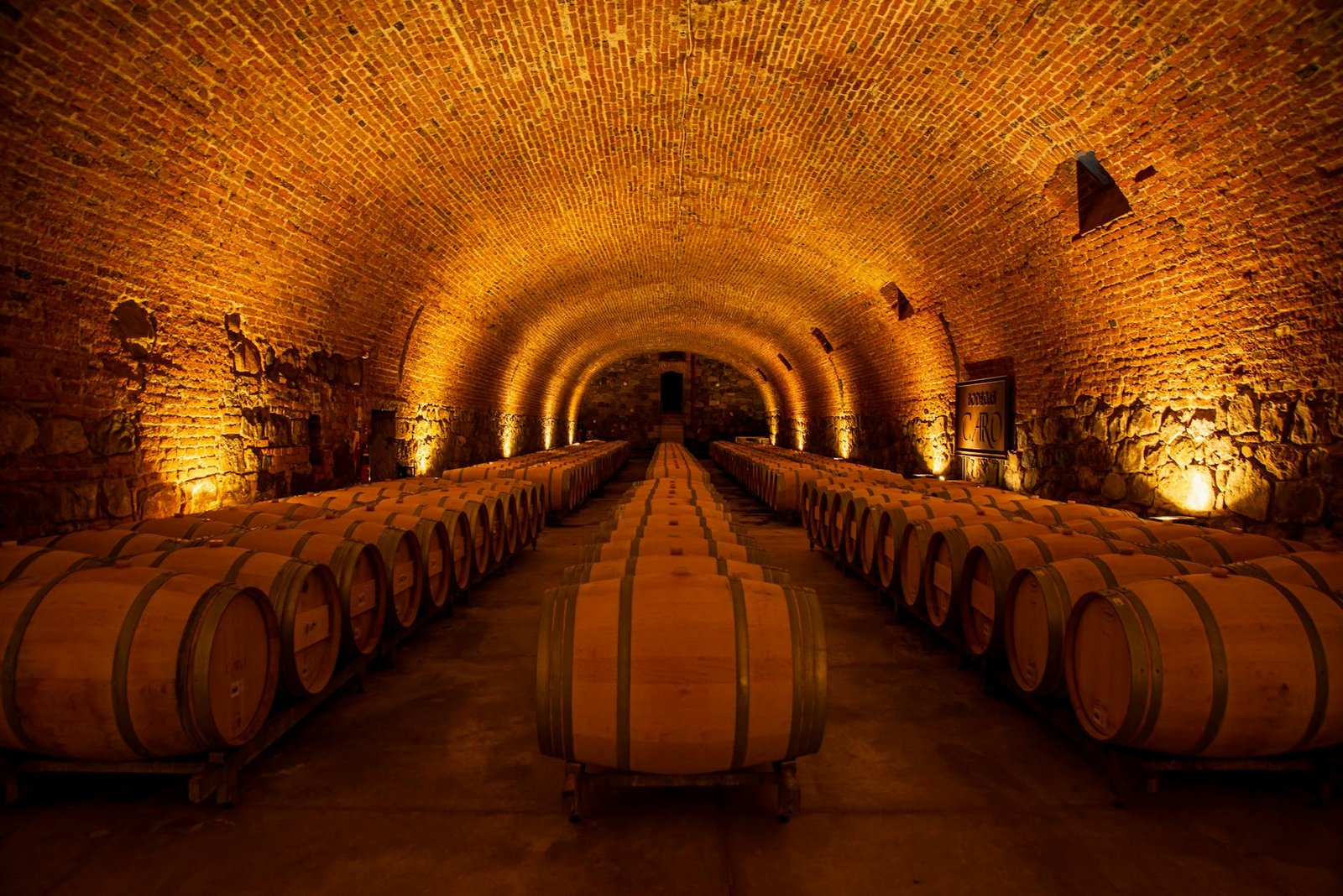
Three hundred metres underground, carved into ancient lava rock, sits one of the strangest and most rewarding wine…