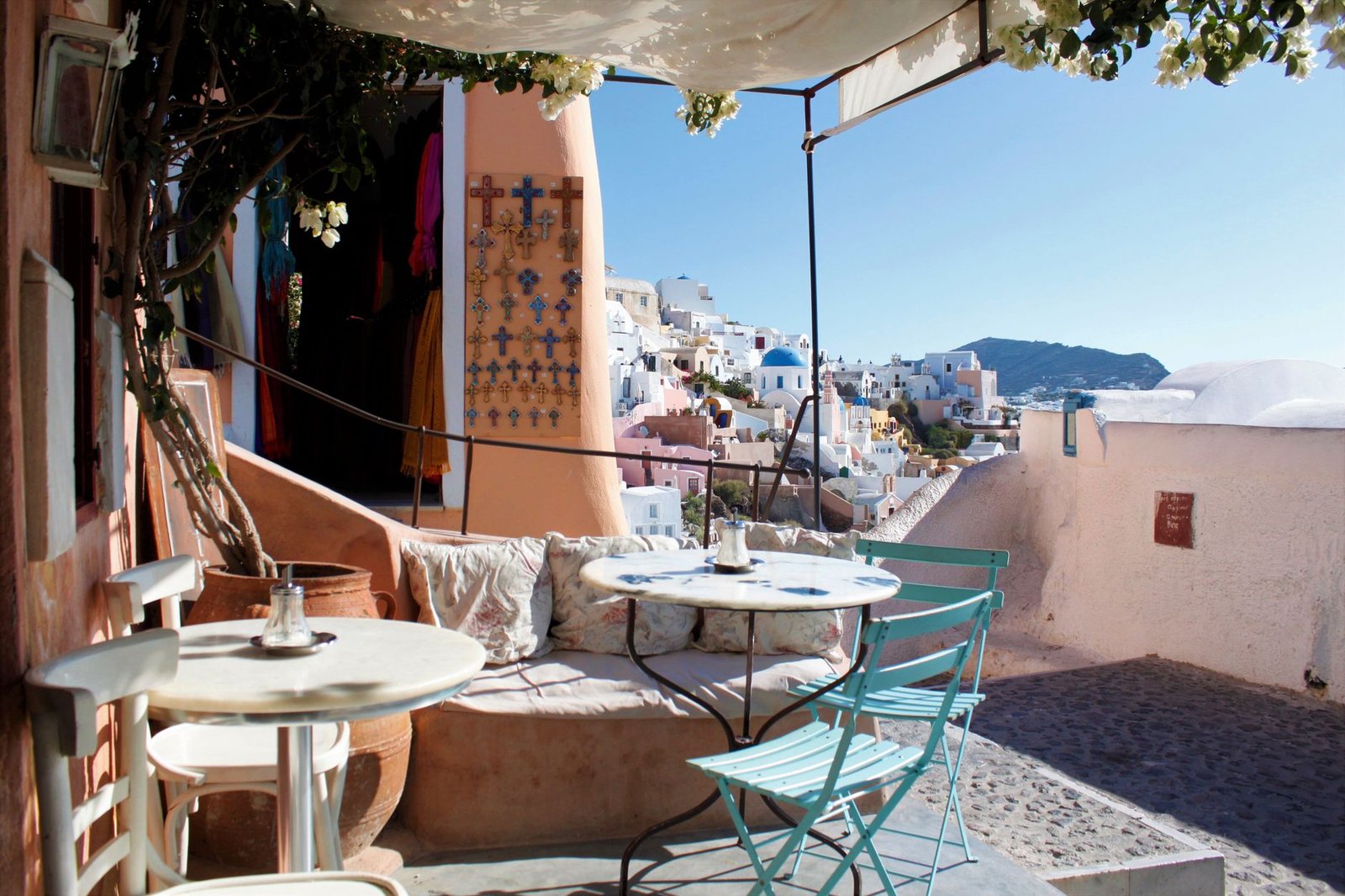
Stop Chasing the Postcard
A Santorini photography tour sounds like the easiest brief in travel — blue domes, white walls, sunset, done. Except it isn’t. Show up with a camera bag and what looks like a solid plan and you’ll spend your first mornings fighting through selfie sticks at Oia’s church steps and come home with shots that look exactly like everyone else’s Instagram feed. It takes a reset to actually photograph this island honestly. Here’s what works.
The Light Nobody Talks About
Everyone tells you golden hour in Oia. Fine, it’s real, it’s gorgeous, and you’ll be standing shoulder-to-shoulder with 4,000 other people to get it. What nobody mentions is first light in Fira — around 6:15 AM in June 2026 — when the eastern caldera wall catches a warm rose tone and the town is genuinely empty. Two or three cats, a delivery truck, maybe one other photographer. That’s when you get the shots that don’t look templated.
Blue hour matters more than golden hour here. About 25 minutes after sunset, when the sky goes deep indigo and the village lights switch on, the contrast between the lit domes and the darkening caldera is something no midday photo can touch. Set your alarm, bring a tripod (a small travel one is fine), and stake out your spot at least 40 minutes early.
Specific Spots Worth Your Time
- Skaros Rock, Imerovigli: A 20-minute walk from the main path, this collapsed medieval castle gives you an unobstructed caldera view with zero infrastructure in the frame. Go at 7 AM and you’ll likely have it to yourself.
- Pyrgos village: Up in the island’s center, away from the caldera entirely. Venetian castle ruins, narrow alleys, cats sleeping on warm stone. Afternoon light between 3 and 5 PM rakes beautifully across the textured walls.
- Vlychada Beach: The south coast. Lunar-white pumice cliffs eroded into strange formations. Completely different from anything on the caldera side. Midday light actually works here because the white rock bounces it interestingly.
- Akrotiri fishing port: Not the archaeological site — the actual small harbor nearby. Weathered blue boats, fishermen repairing nets around 7 AM, none of the tourist gloss. Park near the lighthouse road and walk down.
What to Actually Shoot in Oia
I’m not going to tell you to skip Oia — that would be dishonest. It’s extraordinary. But skip the Three Bells of Fira church entirely unless you want to queue for a composition ten million people already have. Instead, walk the path north past the famous domes toward the windmills. Here the architecture gets rougher, less restored, and you’ll find textures and shadows that feel genuinely old rather than freshly painted for tourism season.
Get the Free Santorini Insider Guide
Where to watch the sunset without the crowds, which villages deserve your day, and what you need to book before you arrive.
The donkey path leading down from Oia to Ammoudi Bay is worth every step for the compressed telephoto shots you can pull from midway down — blue domes stacked against the caldera with the deep water far below. Bring a 70-200mm equivalent if you have one.
Booking a Guided Photography Tour
If you want structured access and local knowledge fast, checking platforms like GetYourGuide or Viator for Santorini photography workshops is worthwhile — there are several run by working photographers who know which gates open when and which private terraces allow access for a fee. Expect to pay €80–€150 for a half-day session in 2026. Read the reviews carefully and look for tours that cap groups at six people or fewer. Anything larger and you’re back to the selfie-stick situation.
Pros
- Early morning and blue-hour light in Fira and Oia offer extraordinary, crowd-free compositions unavailable at peak times
- Lesser-known spots (Skaros Rock, Pyrgos, Vlychada, Akrotiri port) provide unique, untemplated images well away from tourist crowds
- Guided tours by working photographers provide access to private terraces and local knowledge about gate times and locations
- A polarizing filter makes caldera water turn 'genuinely electric blue' at midday, extending shooting opportunities
Cons
- July and August are extremely crowded — Oia's sunset area fills by 5 PM for an 8:30 PM sunset
- Cruise ship days severely impact conditions in Fira and Oia, requiring schedule planning around port authority listings
- The Fira to Oia trail is partially closed near Imerovigli due to erosion repairs as of August 2026
- Viewpoint cafes charge €6 for a bottle of water, and good spots require significant walking with gear
Gear and Practical Notes
- A 24-70mm equivalent covers 80% of what you need. Wide angles distort the curved walls awkwardly up close.
- Bring a polarizing filter — the caldera water midday turns genuinely electric blue when you cut the glare.
- Wear proper shoes. The cobblestones in Fira and Oia are polished smooth by millions of feet and are genuinely treacherous when wet or in sandals.
- Water and a small snack matter. The good spots involve walking, and the cafes near viewpoints charge €6 for a bottle of water.
- Memory cards: obvious, but bring more than you think. You’ll shoot more here than almost anywhere.
Crowds and Timing in 2026
July and August are brutal. Oia’s sunset viewing area fills up by 5 PM for an 8:30 PM sunset. If your dates are flexible, late April through early June or September into October gives you workable crowds and better temperatures for walking with gear. I was there in late May and found it busy but manageable — mornings especially. Cruise ship days are the variable that kills everything. Check which days ships are docked at Athinios port (the Santorini port authority posts schedules) and build your photography days around avoiding those afternoons in Fira and Oia.
The honest summary: Santorini rewards photographers who get up early, walk further than feels necessary, and resist the urge to stand exactly where everyone else is standing. The island is genuinely beautiful — you don’t need the clichéd angles to prove it.
Frequently Asked Questions
What is the best time of day to photograph Santorini in 2026?
How do I avoid the crowds at Oia's famous sunset viewpoint?
Are guided photography tours in Santorini worth the cost?
What camera gear should I bring to Santorini?
Which villages in Santorini are less photographed and more authentic?
More Things to Do in Santorini
Top-rated experiences with free cancellation and instant confirmation.
Related Articles
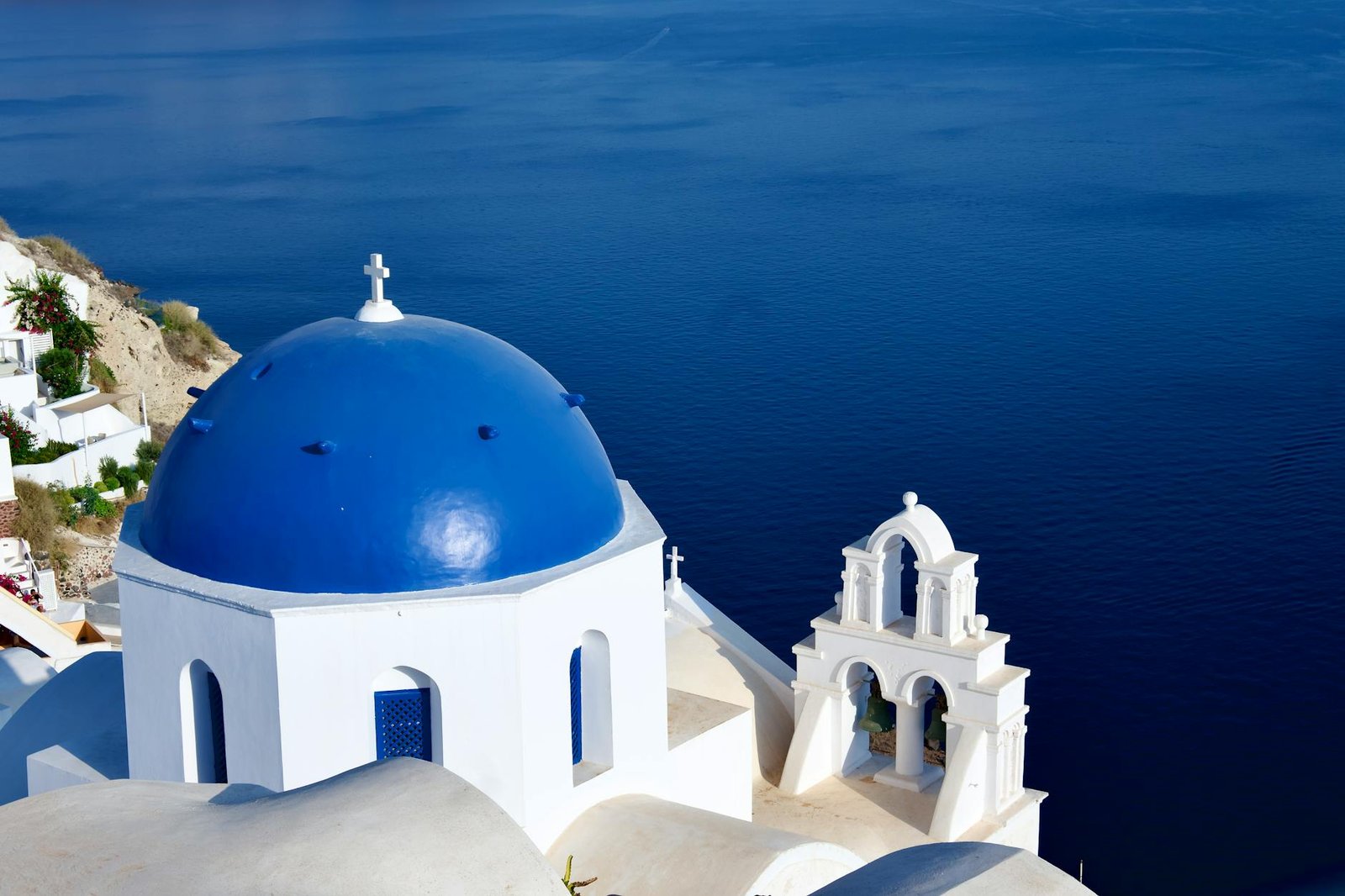
Why February Is Actually the Best Time to Visit Santorini Everyone shows up in July and August, sweating…
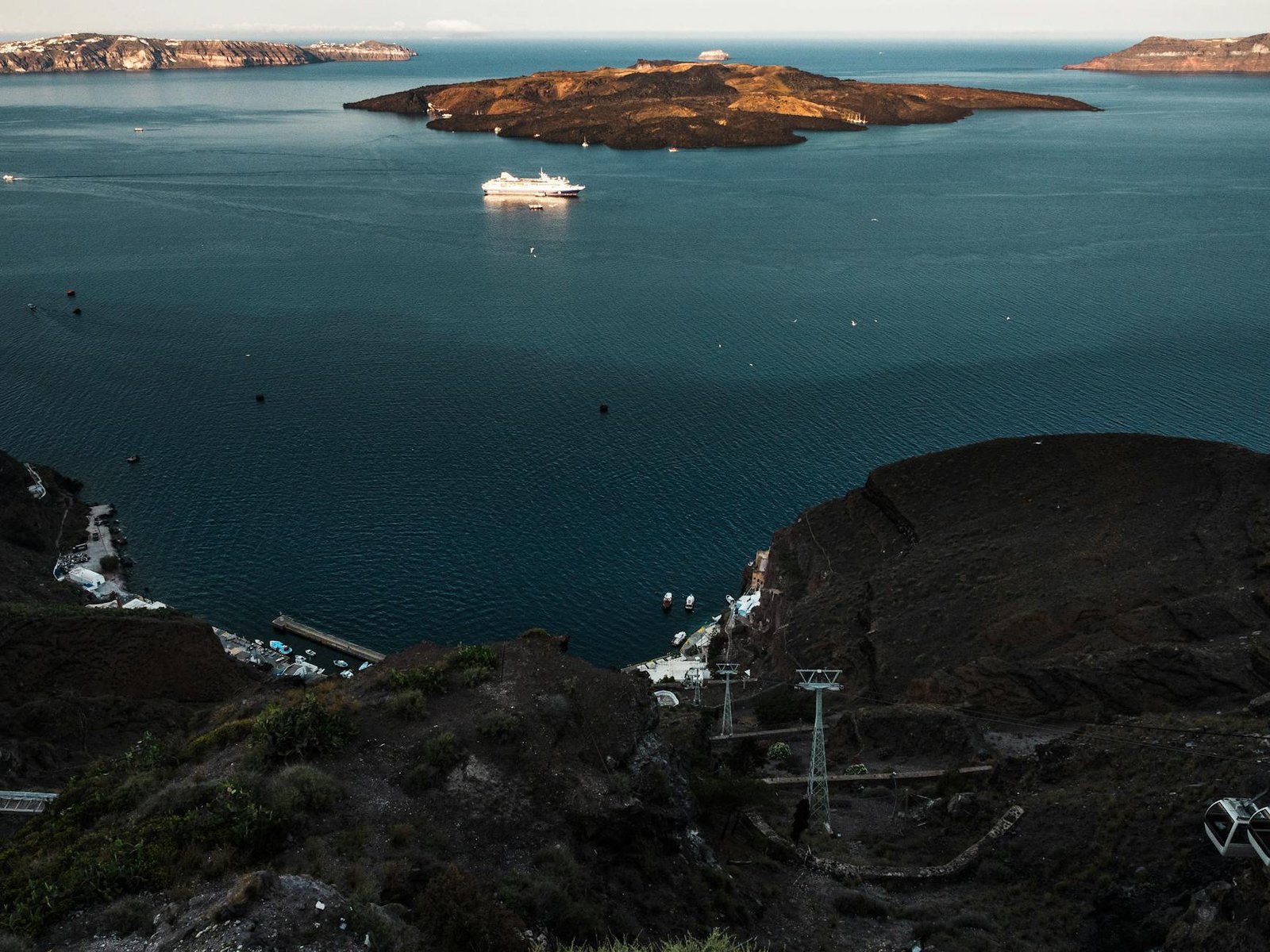
When is the best time to visit Santorini? A month-by-month breakdown of weather, crowds, prices, and what each…
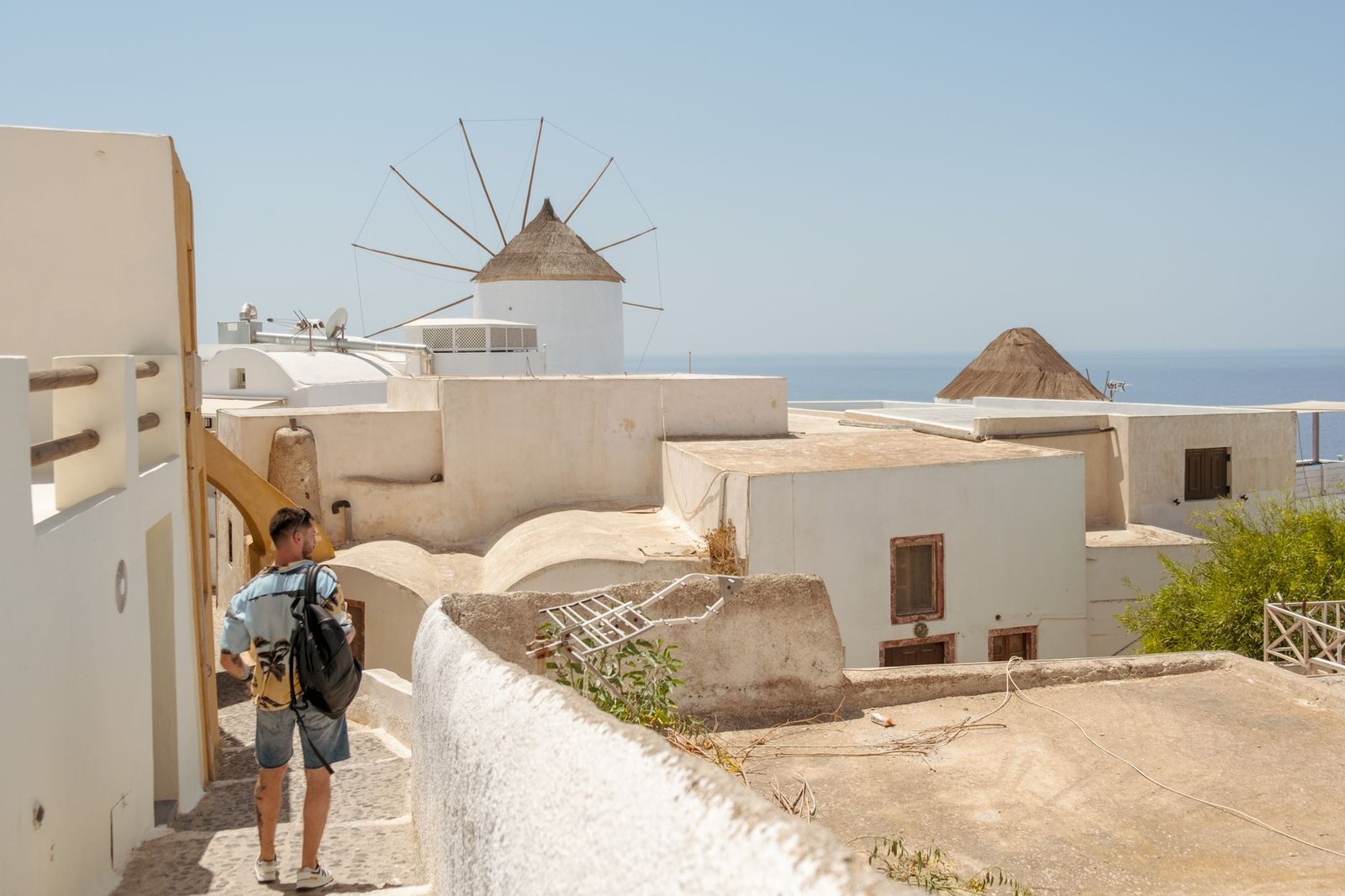
Santorini on a Budget in 2026: Real Talk From Someone Who’s Been There Let me be upfront with…