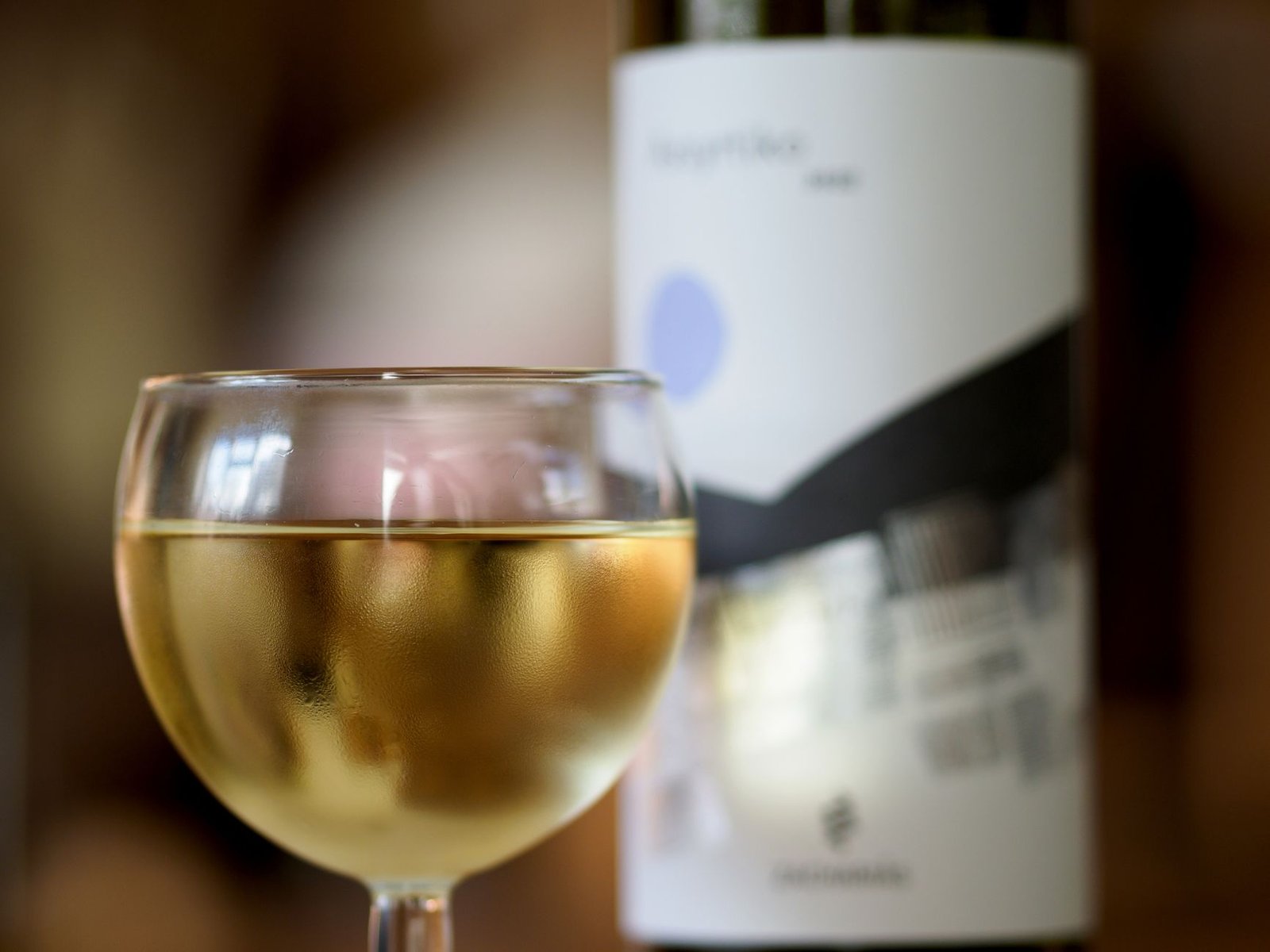
Santorini Wine: Why This Volcanic Island Does It Differently
If you care about Santorini wine, you already know it has a reputation. But nothing quite prepares you for standing in a vineyard that looks like the surface of Mars, sipping something mineral and alive, wondering how anything grows here at all. I visited in late September 2024, just as harvest was wrapping up, and left with a completely different understanding of what wine can taste like when a grape is genuinely stressed.
The island gets almost no rain from June through September. The soil is volcanic pumice and ash — loose, grey, almost lunar. There are no rivers. No irrigation. The vines survive by pulling moisture from sea fog that rolls in overnight. That’s it. And somehow, this produces some of the most distinctive white wine in the world.
The Assyrtiko Grape: What Makes It Special
Assyrtiko is the reason you’re here. It’s the dominant grape on Santorini, and it thrives precisely because of the conditions that would kill most other varieties. High acidity. Pronounced minerality. Citrus and saline notes that genuinely taste like the island smells. A good Assyrtiko aged in stainless steel is lean and electric — think lemon pith, green apple, white pepper, and that unmistakable saltiness. Oak-aged versions (sometimes called Nykteri) get richer, almost waxy, with a creamier texture.
The grapes have been growing here for at least 3,500 years. Some of the vines are over 200 years old. They were never affected by phylloxera because the volcanic soil is inhospitable to the louse, which means you’re drinking wine from ungrafted, ancient rootstock. That detail alone is worth thinking about.
Get the Free Santorini Insider Guide
Where to watch the sunset without the crowds, which villages deserve your day, and what you need to book before you arrive.
The Basket Vine Training System
Walk through any vineyard on Santorini and you’ll notice the vines don’t look like vines anywhere else. They’re coiled into low, tight spirals directly on the ground — called kouloura, or basket training. This protects the grapes from the brutal meltemi winds that rip across the Aegean, especially in July and August. The grapes grow inside the basket, shaded and sheltered. It’s entirely hand-tended. No machines can work these vineyards.
This is backbreaking work for extremely low yields. A vine might produce one kilogram of grapes per year. By comparison, a productive vine in Bordeaux might yield six or seven. That’s part of why good Santorini wine costs what it does — typically €15–35 per bottle at the winery, more in restaurants.
The Best Wineries to Actually Visit
Domaine Sigalas
Top PickThis is where I'd send anyone serious about Assyrtiko. Located near Oia in the north, Sigalas produces wines that consistently rank among the island's best. The tasting room is simple, unpretentious, and the staff actually know what they're talking about. Tastings start around €20 for four wines with mezze. The barrel-aged Assyrtiko is worth every cent. Book in advance — they fill up fast in peak season. They're open daily from roughly 11am to 7pm, though hours shift slightly year to year so check before you go.
Santo Wines
Santo Wines has the most dramatic setting — perched on the caldera cliff near Pyrgos, with a terrace view that's genuinely hard to argue with. It's the island's cooperative winery, representing around 1,200 small growers. The wines are consistent and well-made rather than exceptional. Think of it as a reliable baseline for understanding Santorini wine styles. Tastings here run €18–28 depending on the flight. It's busy. Go at opening time (usually 10am) or late afternoon to avoid the cruise ship rush. Sunset tastings are popular and bookable through GetYourGuide if you want something pre-organised.
Gavalas Winery
Gavalas is the one I keep telling people about. It's a family operation in Megalochori, one of the quieter villages, and it feels nothing like a tourist destination. They make traditional Vinsanto — the sweet wine made from sun-dried Assyrtiko and Aidani grapes — that is extraordinary. Thick, amber, tasting of dried figs, coffee, and orange peel. They've been making wine here since 1861. Tasting fees are low (around €10–15) and the hospitality is genuinely warm. It doesn't have the views of Santo, but the wines and the experience are more authentic.
Practical Notes for 2026
- Best time to visit: September through October. The harvest buzz is real, crowds thin out after mid-September, and prices drop.
- Getting around: Rent an ATV or car — wineries are spread across the island and not walkable between. ATVs run about €25–35 per day from Fira or Oia.
- Buying wine to take home: Most wineries ship, but airport security allows up to 12 litres in checked luggage. Wrap bottles in clothes, not bubble wrap — it compresses badly.
- Winery tours: If you want a structured half-day visiting multiple producers, guided options on Viator include transport and are often worth it for the logistics alone.
- Restaurant markups: Expect to pay €40–80 for bottles in Oia restaurants that cost €20 at the winery. Buy at source.
One Honest Caveat
Santorini wine tourism has gotten expensive and a bit performative in places — especially anything on the caldera edge during sunset hours. If you go in expecting a purely authentic agricultural experience, the crowds and the pricing will frustrate you. Go in expecting a genuinely unique wine culture that happens to exist in an over-touristed setting, and you’ll leave happy. The wine really is that good. The basket vines really are that strange and remarkable. That part isn’t marketing.
Hungry for more? Our sister site FoodTourTrails has an in-depth Santorini food guide — best dishes, where locals actually eat, and food tours worth booking.
Frequently Asked Questions
What does Assyrtiko wine taste like?
When is the best time to visit Santorini wineries?
How much does a winery tasting cost in Santorini?
What is Vinsanto wine from Santorini?
Why are Santorini vines trained in baskets?
More Things to Do in Santorini
Top-rated experiences with free cancellation and instant confirmation.
Related Articles
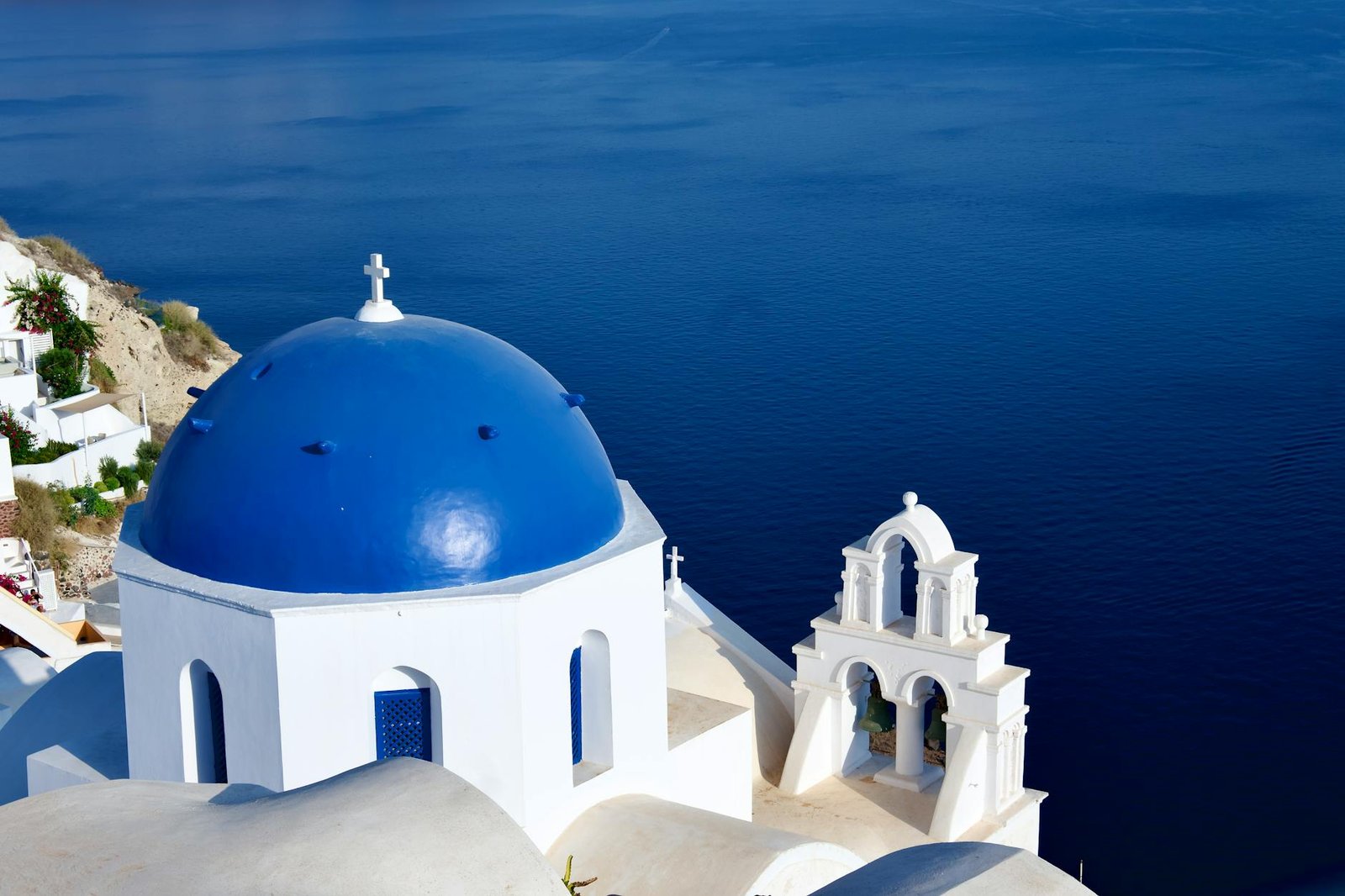
Updated July 2026: Update (July 2026): I revisited Santorini briefly in early June and prices at most caldera-view…

Why Santorini Still Works for Couples in 2026 A Santorini couples retreat sounds like a cliché until you’re…
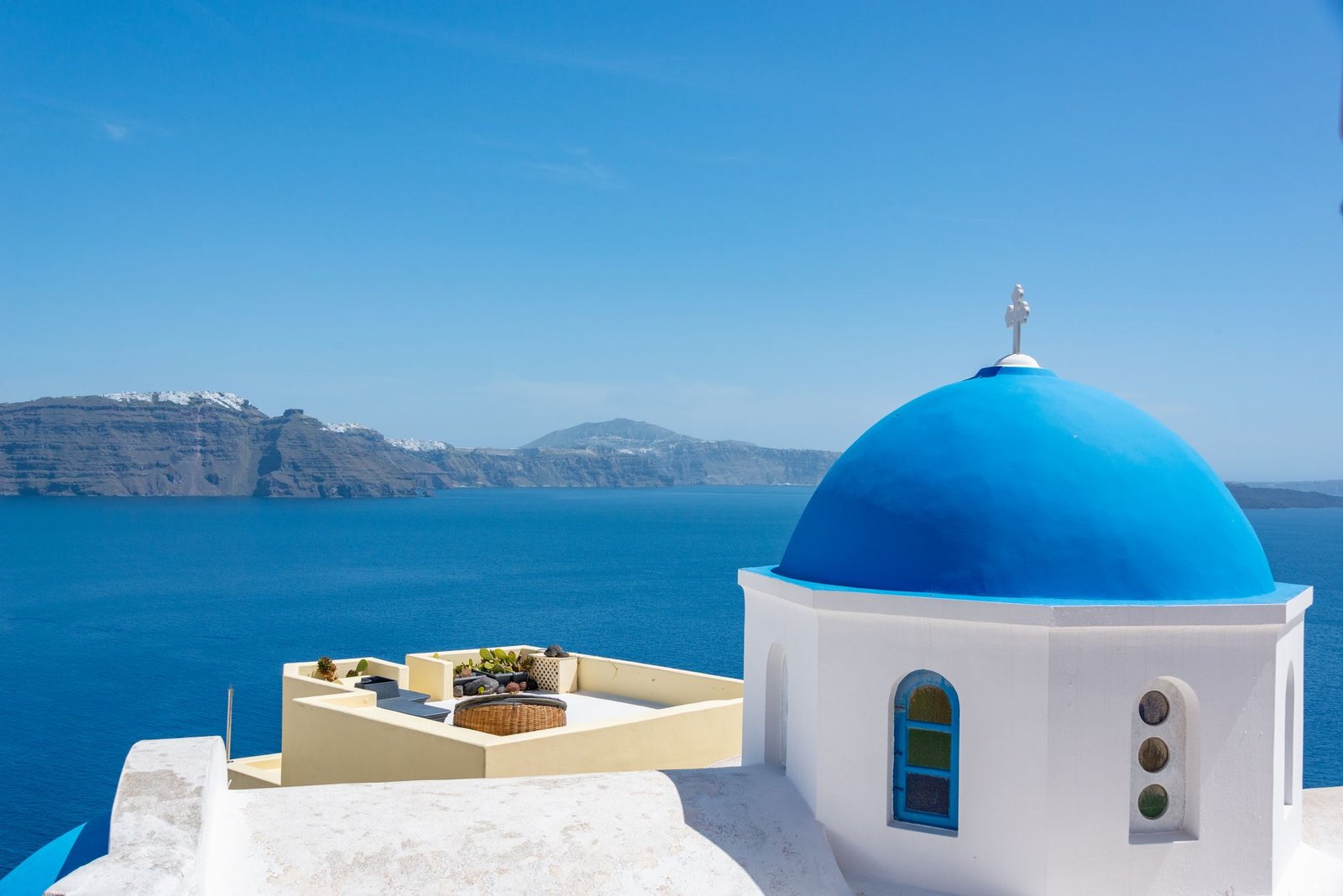
Updated September 2026: Update — September 2026: We revisited this piece after spending two weeks on the island…