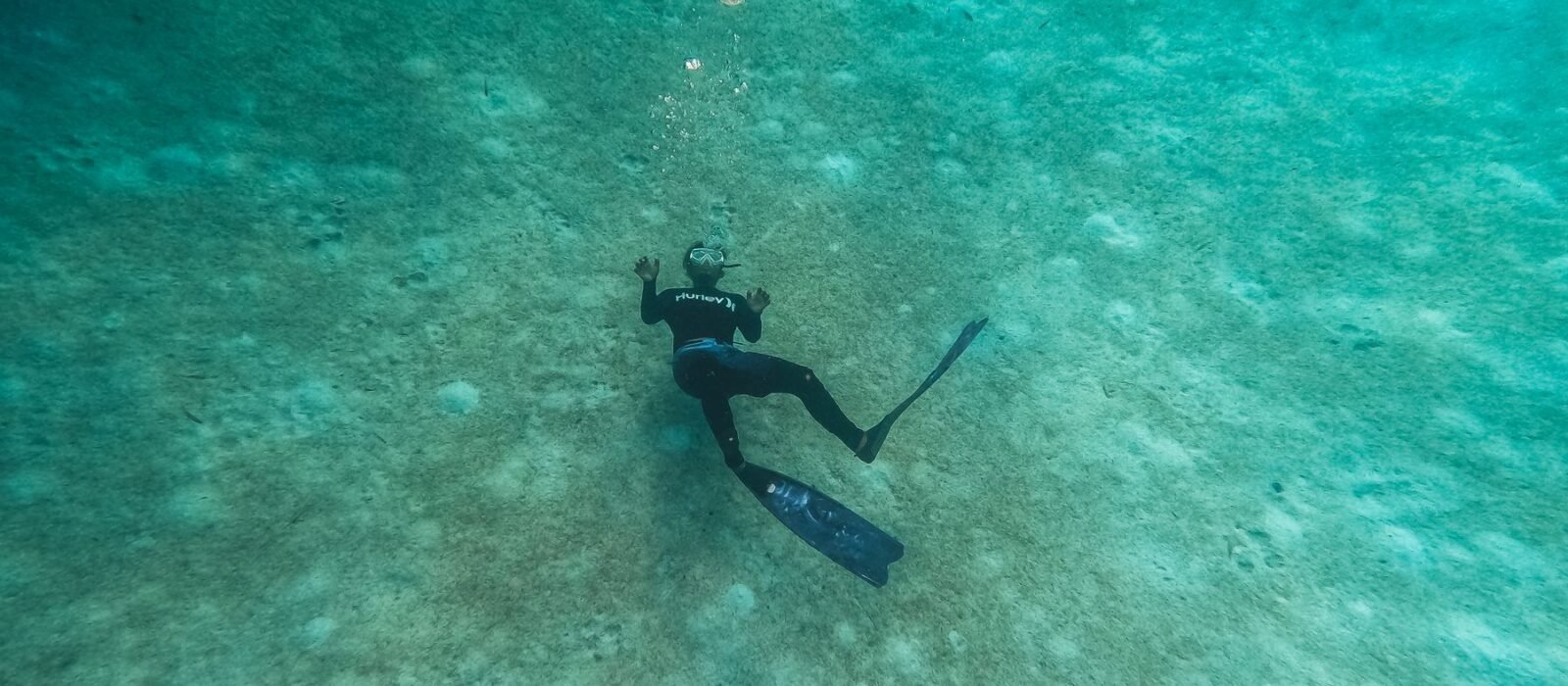
Scuba diving in Santorini doesn’t get nearly as much attention as the sunsets and wine, but honestly, it should. The underwater world here is unlike anywhere else in the Mediterranean — shaped by volcanic activity that’s been raging for thousands of years — and 2026 is shaping up to be a genuinely good time to explore it, with a handful of dive operators investing in better equipment and smaller group sizes.
What Makes Santorini’s Underwater World Different
The Aegean around Santorini sits inside one of the largest volcanic calderas on the planet. That geological drama doesn’t stop at the waterline. Beneath the surface you’ll find lava formations, pumice fields, hydrothermal vents bubbling warm water through the seafloor, and rock walls that look like they’ve been sculpted by something other than nature. Visibility is typically excellent — 20 to 30 metres on a calm day — and the water temperature in summer sits around 24–26°C, which means a 3mm wetsuit is perfectly comfortable.
Top Dive Sites Around the Caldera
Nea Kameni
This is the volcanic island sitting right in the middle of the caldera, and it’s where most dive boats head first. The site called The Volcano drops to about 18 metres and takes you through lava tubes and past vents where you can actually feel the warmer water rising. There are sea urchins everywhere, octopus tucked into crevices, and occasionally moray eels. The colours are muted — lots of dark basalt — but the formations are genuinely strange and worth every minute.
Palea Kameni
The older of the two volcanic islands offers a different experience. Agios Nikolaos on the south side has a wall dive starting at about 5 metres and going down to 30. It’s covered in posidonia seagrass beds where you’ll find seahorses if you look carefully — I spotted two on a single dive in September. This site suits divers who want marine life rather than pure geology.
Get the Free Santorini Insider Guide
Where to watch the sunset without the crowds, which villages deserve your day, and what you need to book before you arrive.
The Perivolos Reef
On the eastern side of the island, away from the caldera tourists, Perivolos has a sandy bottom reef sitting at 8–15 metres. It’s a good confidence-building site. Less dramatic than the caldera dives, but you’ll see grouper, bream, and barracuda. Water entry is straightforward from a boat, and the site never gets crowded.
Shipwrecks Worth Diving
Santorini doesn’t have the wreck diving reputation of somewhere like Malta, but there are a few worth knowing about. The Santorini Wreck — a cargo vessel — sits at around 18 metres near the port of Athinios and is now encrusted with sponges and home to schools of damselfish. It’s not huge, but it’s an interesting 45-minute dive. Access is generally included in standard boat trips running out of Vlychada or Perivolos.
Dive Operators and What to Expect
Most of the reputable dive centres are clustered around Perissa and Vlychada on the south coast. Expect to pay around €55–70 for a single guided dive including equipment, or €120–150 for a two-tank trip to the caldera sites. Introductory dives for non-certified divers run about €65–75. Prices have nudged up about 10% compared to 2024, largely due to fuel costs.
Pros
- Unique volcanic underwater landscape — lava tubes, hydrothermal vents, and basalt formations found nowhere else in the Mediterranean
- Excellent visibility of 20–30 metres on calm days and comfortable summer water temperatures of 24–26°C
- Varied dive sites suit different interests — geology-focused caldera dives, marine-life-rich seagrass walls, and confidence-building reef dives
- Operators investing in better equipment and smaller group sizes in 2026
Cons
- Meltemi winds in July and August can cancel caldera crossings on short notice, with waits of two or three days for another slot
- Marine biodiversity is moderate by global standards — not comparable to tropical destinations
- July and August slots fill up weeks in advance, requiring early booking
- Prices have increased around 10% compared to 2024 due to fuel costs
Santorini Dive Center in Vlychada has a solid reputation and experienced guides who genuinely know the caldera sites. Aegean Dive near Perissa Black Beach is good for beginners and offers PADI courses starting at around €350 for Open Water certification over three days. Book ahead — July and August slots fill up weeks in advance. If you’re organising your trip remotely, platforms like Viator list several caldera dive excursions with verified reviews, which is useful for comparing operators before you arrive.
Marine Life Highlights
- Seahorses — genuinely findable at Palea Kameni in the seagrass, but you need a patient guide
- Moray eels — common at Nea Kameni, usually tucked under lava overhangs
- Octopus — everywhere, year-round
- Barracuda — often seen in loose schools at Perivolos from June onwards
- Loggerhead sea turtles — rare but not unheard of; one dive guide told me she sees them a few times each summer
Best Time to Dive
May, June, and September are the sweet spots. Water is warm, visibility is at its best, and you’re not competing with 400 other tourists for the same boat. July and August are busy and the meltemi wind picks up, which can cancel caldera crossings on short notice. A cancelled dive in peak season might mean waiting two or three days for another slot. October is underrated — water still around 22°C, almost no crowds, and operators are often willing to customise trips.
Practical Logistics
You’ll need to show a dive certification card (PADI, SSI, NAUI all accepted). Most operators require a logbook showing recent dives, especially for caldera sites which sit in the 18–30 metre range. Underwater cameras can be rented for around €15 per dive, though the volcanic terrain photographs better than it might look in your head — the contrast between dark lava and electric-blue water is real. For multi-day dive packages or specific site combinations, browsing options on GetYourGuide alongside direct operator bookings gives you a reasonable price comparison.
One honest note: Santorini isn’t the Caribbean. The underwater scenery is dramatic and unusual, but marine biodiversity is moderate by global standards. Come for the volcanic geology, the caldera experience, and the sheer oddness of diving inside an active volcano. That’s genuinely worth the trip.
Frequently Asked Questions
Do I need to be an advanced diver to dive the Santorini caldera?
Is it possible to do an introductory dive without certification?
When should I book dive trips — in advance or on arrival?
Are there hydrothermal vents you can actually dive near?
What's the water temperature like and what wetsuit do I need?
More Things to Do in Santorini
Top-rated experiences with free cancellation and instant confirmation.
Related Articles
Two Days in Santorini — Making It Count Santorini is one of those places that lives up to…
Planning a Santorini wedding in 2026 means navigating one of the most romanticized — and most logistically complicated…
Why Santorini Still Works for Couples in 2026 A Santorini couples retreat sounds like a cliché until you’re…