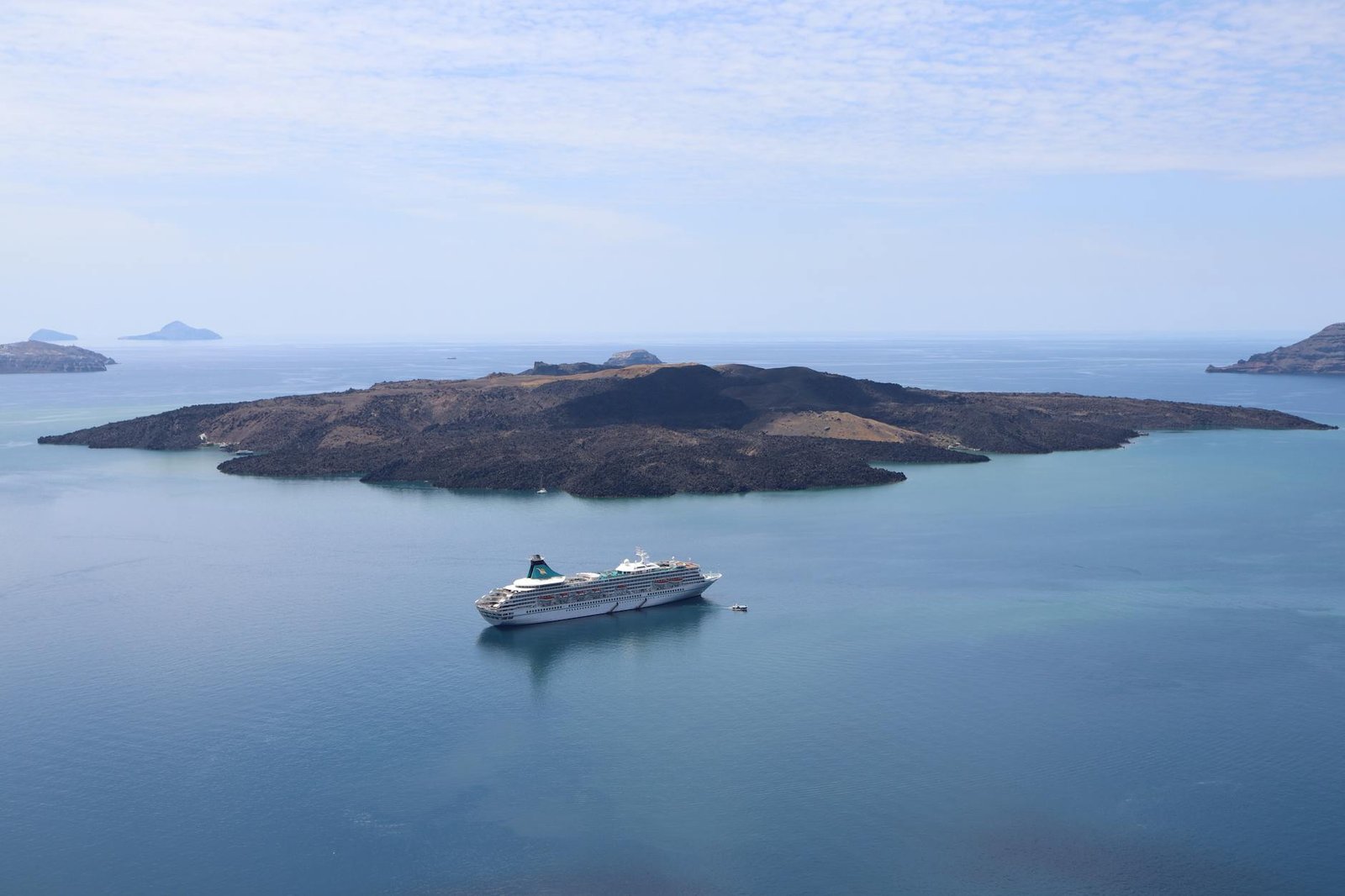
The volcano sitting in the middle of Santorini’s caldera is one of the few active volcanic systems on earth where you can actually walk across it without a hazmat suit or a specialist permit. I’ve done it twice now, and both times I spent most of the walk just trying to process where I was — standing in the crater of the same volcano that obliterated one of the Bronze Age world’s most advanced civilisations 3,600 years ago. Black lava fields stretch in every direction, sulphur vents hiss quietly at your feet, and the white cliff villages of Santorini shimmer across the water like something from a postcard. Surreal doesn’t quite cover it.
The Geology: What You’re Actually Standing On
A lot of visitors assume that wide blue expanse from the caldera rim is some kind of volcanic lake. It’s not. It’s the Aegean Sea, flooding what used to be the hollow interior of an enormous volcano. Before the Minoan eruption of 1613 BC, this was a cone rising more than 1,000 metres above sea level. When the magma chamber emptied in a catastrophic collapse, the whole thing caved inward — creating the 12km-wide, 400-metre-deep depression now sitting full of seawater.
The two volcanic islands you can see from the caldera rim — Nea Kameni and Palaia Kameni — have nothing to do with the original structure. They’re completely new, built up over 2,000 years of subsequent eruptions. Nea Kameni’s youngest lava dates to 1950, the last major eruption. The volcano is dormant right now, but “dormant” doesn’t mean quiet — the Institute of Geodynamics tracks seismic activity and ground deformation around the clock.
Nea Kameni — Walking on the Volcano
Most volcano tours include a stop on Nea Kameni, the larger of the two islands. The path to the main crater rim is well-marked — roughly 2km round trip, 45 to 60 minutes at a relaxed pace. It’s not a hard walk, but it’s exposed and uneven, and the midday heat bouncing off black lava in July is genuinely brutal. Go early if you can.
Get the Free Santorini Insider Guide
Where to watch the sunset without the crowds, which villages deserve your day, and what you need to book before you arrive.
Along the path: jet-black lava fields from different eruption years (labelled, so you can actually see the difference), yellow sulphur crystals built up around the fumarole vents, and then — at the crater rim itself — a view back across the water to those white cliff villages that seems almost impossible given what’s beneath your feet. The bleached walls of Fira and Oia in the distance, raw black lava right underneath you, erupted within living memory. On a clear day you can see Ios and Folegandros sitting to the north.
Palea Kameni — The Hot Springs
Southwest of Nea Kameni, tiny Palea Kameni has no place to land — but you don’t go there to land. The geothermal hot springs surrounding it push water temperatures up to around 35°C, heated by volcanic activity under the sea floor. From the boat you can spot them before you even get in: a yellow-brown stain spreading across the surface, caused by iron sulphide deposits bleeding up from below.
Every volcano tour stops here. Boats anchor nearby, passengers jump in. One thing nobody tells you loudly enough: these springs will permanently stain your swimsuit orange. Not a little. Permanently. Wear something old. The sulphur smell is strong but not unpleasant — more spa-like than industrial. Swimming back through the temperature gradient, where warm spring water meets cool Aegean, is a strange sensation that’s hard to describe and easy to remember.
What’s Included in a Volcano Tour
Standard organised volcano tours from Fira’s old port or Athinios cover the basics: boat transfer to Nea Kameni, guided walk to the crater with geological commentary, swimming stop at the hot springs, and the return crossing. The guide quality varies — some are excellent, some are just there to count heads, so it’s worth reading recent reviews before booking.
Pros
- Rare opportunity to walk across an active volcanic crater without specialist permits
- Striking photography: black lava foreground with white cliff villages across the water
- Geothermal hot springs stop included — unique swimming experience through warm-to-cool temperature gradients
- Flexible tour options from budget half-day (€30–50) to premium catamaran with catering
Cons
- Midday heat in July/August is described as 'genuinely brutal' — zero shade on the entire walk
- Hot springs permanently stain swimwear orange — widely undersold in brochures
- Crowds: peak-season boats can carry 80+ passengers, making the experience 'considerably less romantic'
- Guide quality is inconsistent — some guides are just there to count heads rather than provide commentary
Half-day tours run 3 to 4 hours and cost roughly €30–50 per person. That gets you Nea Kameni and the hot springs — efficient, honest value. Full-day tours stretch to 7 or 8 hours and run €60–90, adding a stop at Thirasia (the inhabited island on the caldera’s west side), a wine tasting at a caldera winery, and sunset viewing. Premium catamaran tours with catering and unlimited drinks land between €85 and €120. Worth it if you want a social afternoon on the water; unnecessary if you’re just there for the geology.
How to Get to the Volcano
Boats leave from three points: Fira’s old port (Skala — get there via cable car or the 587-step climb from town), Oia’s Ammoudi Bay, and Athinios, the main ferry port about 10km south of Fira. Crossing time to Nea Kameni is 20 to 30 minutes depending on where you board. No need to charter anything private — operator boats run regular departures from the old port throughout summer, and you can often just show up and get on one.
What to Bring
Closed-toe shoes are non-negotiable for the volcano walk. The lava is sharp, uneven, and doesn’t forgive sandals. Beyond that: sunscreen, a hat, at least 2 litres of water, an old swimsuit you don’t care about, sea sickness tablets if the caldera swell bothers you (it can get choppy), and a light layer for the boat ride back when the wind picks up. There is no shade on the walk. None. Early morning or late afternoon departures make this significantly more bearable in July and August.
One photography note — the composition you get from the crater path, black lava foreground with the white villages across the water behind it, is one of the more striking shots on the island. Worth pausing for even if you’re not usually one to stop and take photos.
Combining Volcano with Other Experiences
The best full-day setup: depart for the volcano at 8:30am, back by 1pm, rest or beach through the afternoon heat, then join a sunset catamaran with caldera views departing around 4pm. That pacing works well and doesn’t leave you cooked by noon.
Alternatively, pair the volcano with Akrotiri — the Bronze Age city preserved under volcanic ash — for what becomes a genuinely cohesive day. Morning at the archaeological site, afternoon on the boat. The contrast between a 3,600-year-old city frozen mid-collapse and the modern volcano’s raw, still-active landscape hits differently when you do them back to back. It’s the same story, two very different chapters.
The Santorini Volcano Tour: What Actually Happens (and Whether It’s Worth Your Time)
Most boats depart from the small port of Skala Fira, though tours also pick up from Oia and Ammoudi Bay. The crossing to Nea Kameni takes roughly 20 minutes. On a calm July morning that crossing is pleasant enough, the caldera walls rising around you in a way that genuinely does not get old. On a choppy afternoon in shoulder season, with 80 people packed onto a two-deck wooden kaiki, it is considerably less romantic. Sit on the upper deck if you can.
The hike up the crater on Nea Kameni is where the tour earns or loses its reputation depending entirely on who you ask. The path is loose dark volcanic scree, uneven and ankle-twisting in places. Wear actual shoes. Sandals are a mistake people make once. The ascent takes about 20 minutes at a reasonable pace, longer if it is peak summer and you are walking into direct sun with no shade whatsoever at any point. At the rim you will smell the sulphur before you see the vents — a sharp, egg-like stink that some people find thrilling and others find immediately nauseating. The crater itself is genuinely impressive: yellowed rock, wisps of gas, a sense that something is actually still happening under your feet. The guides give you 30 to 40 minutes up top before herding everyone back down.
The hot springs stop at Palea Kameni is the part the brochures oversell. The water is warm rather than hot — think heated pool, not thermal spa — and it is murky orange-brown from iron oxide and sulphur deposits. It will stain a white swimsuit permanently. This is not an exaggeration. Wear something dark or something you do not care about. The swim requires jumping from the boat and swimming perhaps 50 metres to reach the spring area, which is fine for confident swimmers and genuinely stressful for anyone less comfortable in open water. Budget 30 to 40 minutes here.
Total time from boarding to return is typically three to four hours. Morning departures (around 10am) are cooler and less crowded. Sunset tours sound better than they are — the crater hike in fading light is awkward, and the real Santorini sunset is best seen from Oia or the caldera rim in Fira, not from a boat.
- Skip it if: heat exhaustion is a concern, you have mobility issues, or dramatic geology genuinely does not interest you
- Do it if: you want to stand on an active volcano, full stop — because that part is real and it delivers
Frequently Asked Questions
Is it safe to walk on an active volcano in Santorini?
What should I wear for the volcano tour?
How long does a typical Santorini volcano tour take?
Can I swim in the hot springs after the volcano walk?
What's the best time of year to do the volcano tour?
More Things to Do in Santorini
Top-rated experiences with free cancellation and instant confirmation.
Related Articles
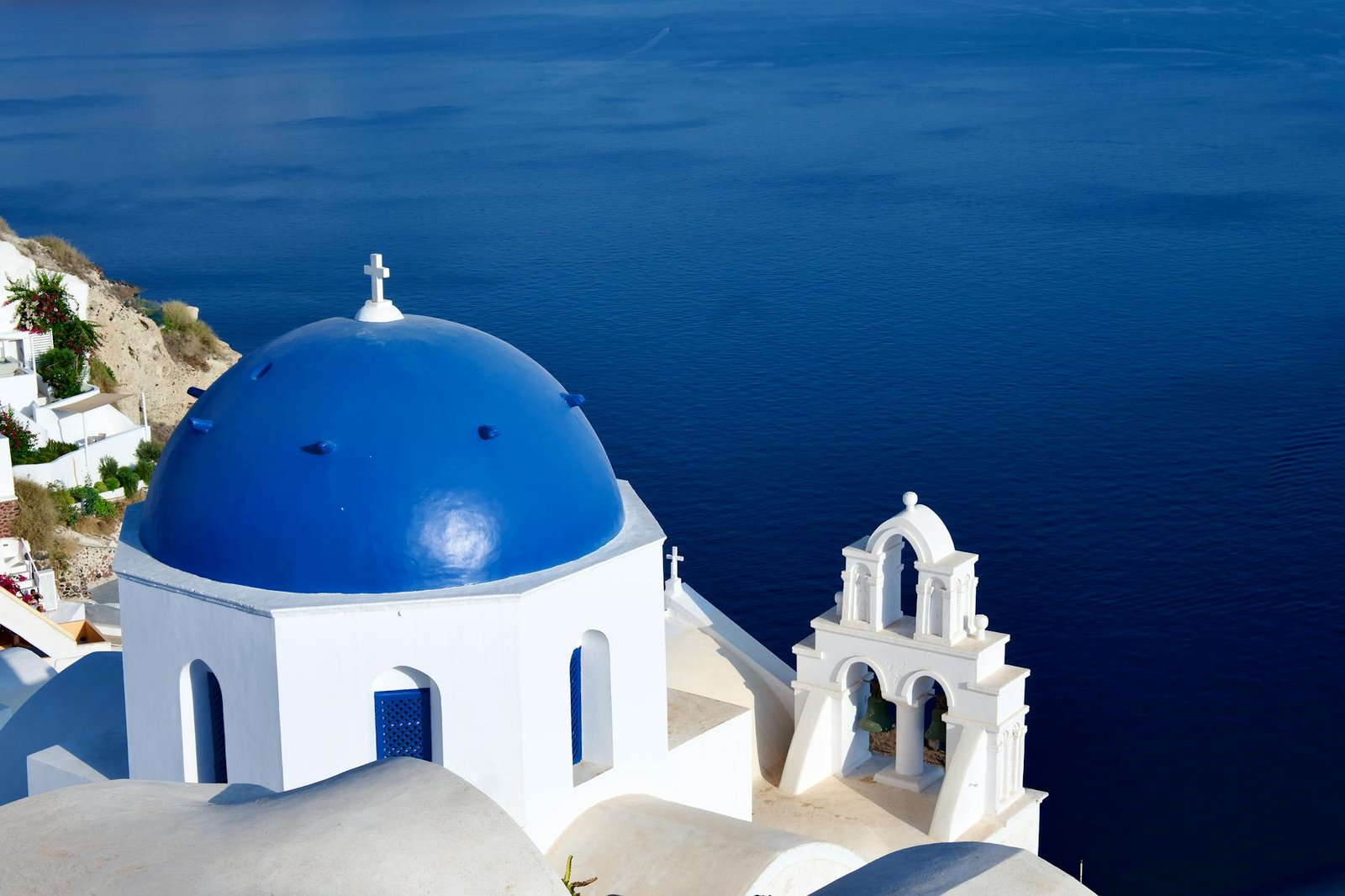
Find Santorini most photogenic secret locations with a local photography guide — beyond the blue domes and tourist…
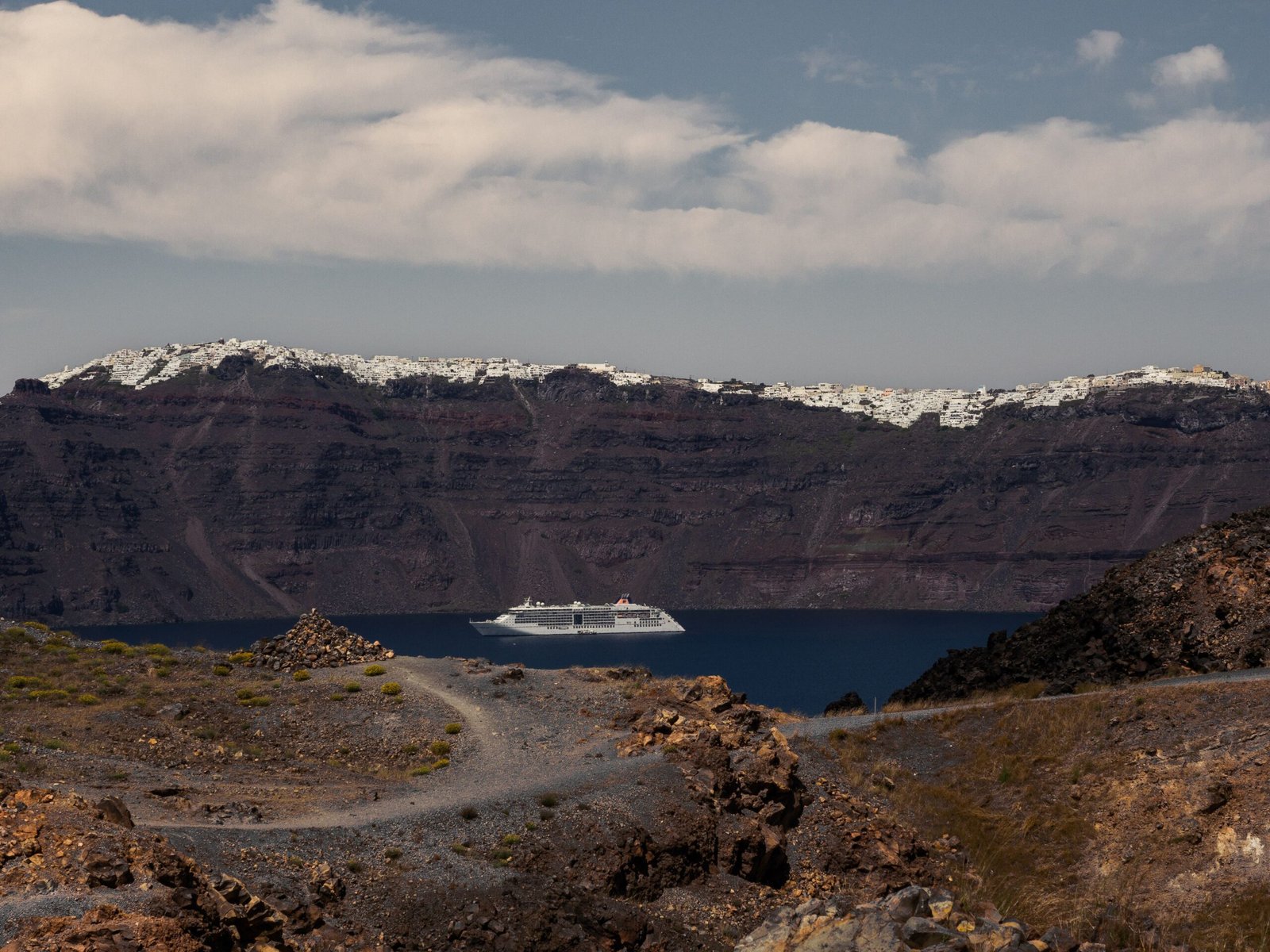
The Walk Everyone Talks About — But Few Actually Finish The Santorini caldera hike is one of those…
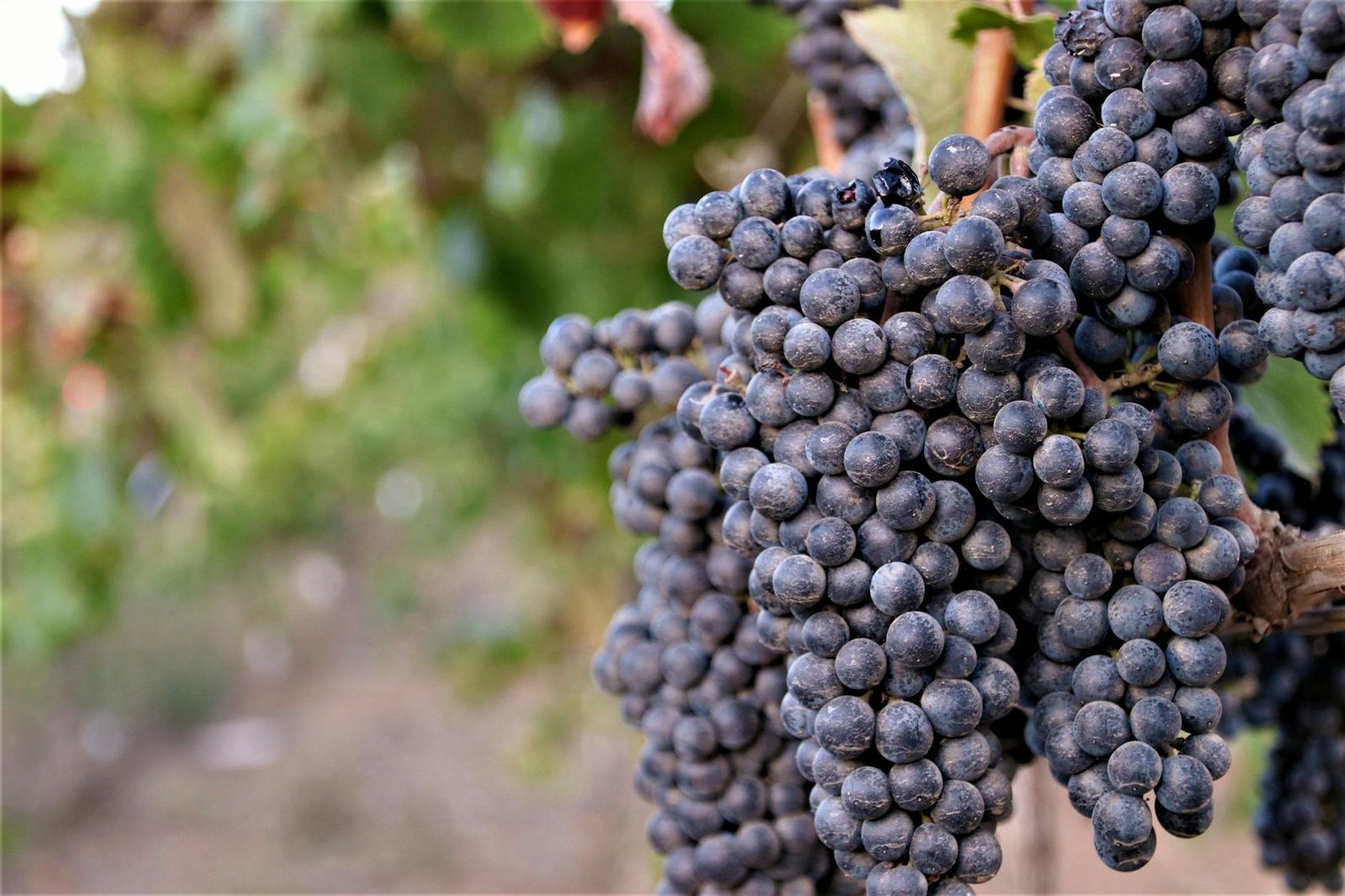
Discover Santorini volcanic wines. A guide to the best wine tours, top wineries, and what makes Assyrtiko wine…