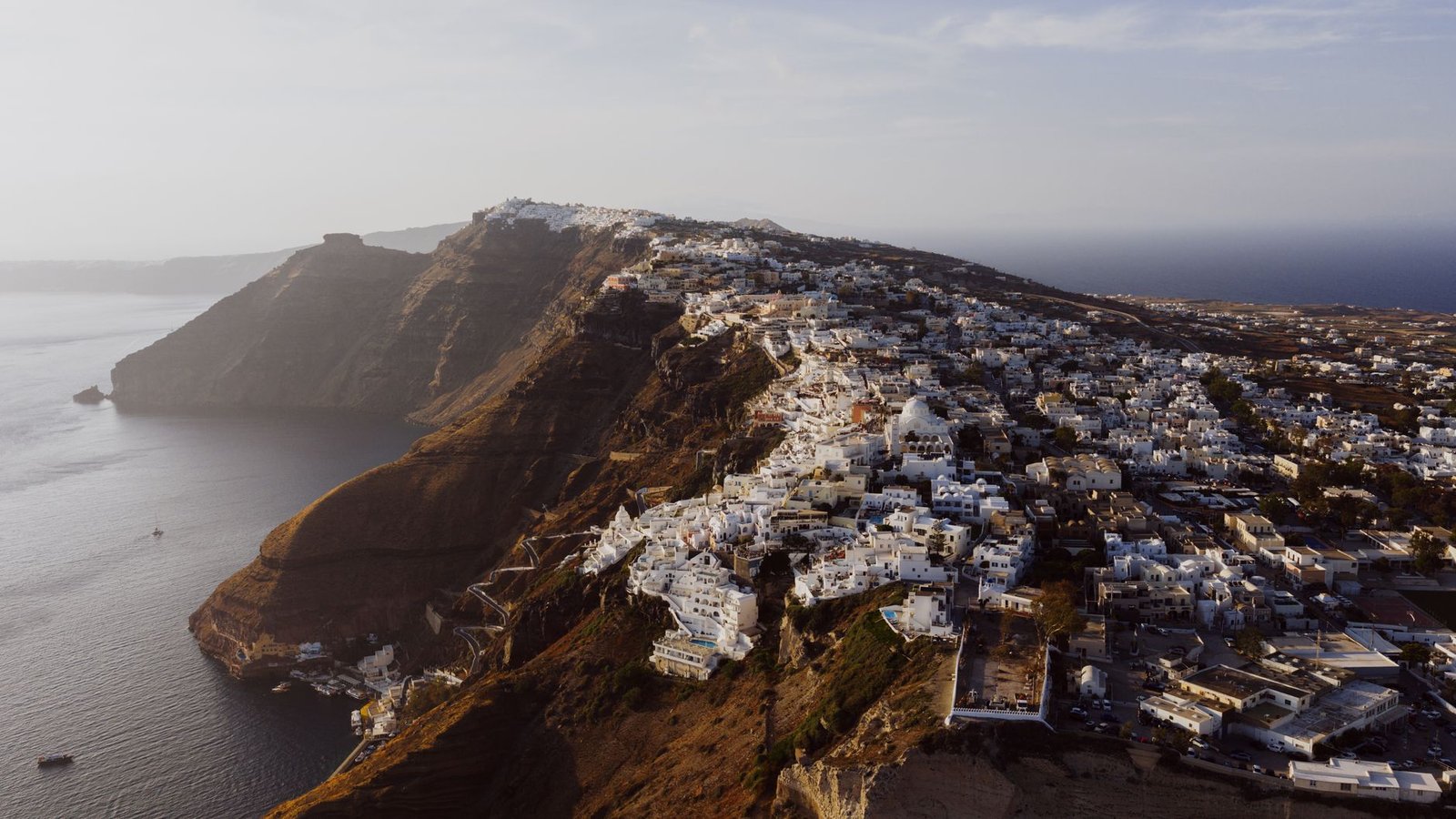
Fira Is Not Just a Stopover
Most people treat Fira Santorini like a bus station — somewhere to pass through on the way to Oia’s famous sunset crowds. That’s a mistake. I’ve spent time in both villages, and honestly? Fira has more personality, better food, and a fraction of the Instagram-fueled chaos if you know where to put your feet.
Fira is the actual capital of Santorini. It sits perched on the caldera rim at around 260 metres above sea level, and the views across to the volcano and Thirassia island are genuinely hard to process the first time you see them. But beyond the view, there’s a real town here with a working port, a cathedral, a museum worth your time, and tavernas where locals actually eat.
A Bit of History That Matters
The original settlement on this site was called Strovlos. After a catastrophic earthquake levelled most of the island in 1956, Fira was rebuilt from near-scratch. Walk through the newer sections of town and you can feel it — wider streets, more utilitarian buildings that contrast sharply with the cave houses carved into the caldera cliff. The older Venetian-era Catholic quarter near the cathedral survived better, and that stretch of narrow alley between Theotokopoulou Street and the Franco-Byzantine Museum is worth twenty minutes of slow wandering.
The Museum of Prehistoric Thera on Mitropoleos Street is one of the most underrated things on the entire island. Artifacts from the ancient Akrotiri settlement — preserved under volcanic ash like a Greek Pompeii — sit in climate-controlled cases with decent English signage. Entry is around €6 as of 2025, and in 2026 it remains one of the best-value hours you’ll spend in Greece. Go early, before 10am, and you’ll practically have it to yourself.
Get the Free Santorini Insider Guide
Where to watch the sunset without the crowds, which villages deserve your day, and what you need to book before you arrive.
Where to Actually Eat
Skip the Caldera-View Restaurants
I’ll be blunt: the restaurants right on the caldera rim charge you for the view, not the food. €22 for a Greek salad is not a cultural experience. The food is often mediocre and the service stretched thin by the summer volume.
Go Here Instead
- Nikolas Taverna — One of the oldest family restaurants in Fira, tucked just off the main drag on Erythrou Stavrou Street. The moussaka is properly made, not reheated. Budget around €14-18 for a main. They don’t take reservations, so show up before 7pm or after 9pm.
- Argo Restaurant — Yes, it has caldera views, but it’s less tourist-trap than its neighbours because the menu skews toward proper Greek home cooking rather than international hotel food. The grilled octopus is consistently good.
- Lucky’s Souvlaki — A small takeaway spot that locals queue at for cheap, honest pork souvlaki. €3-4 per wrap. Eat it sitting on the steps near the Orthodox Metropolitan Cathedral and watch Fira do its thing.
Shops Worth Stopping In
The main shopping street (mostly Ipapantis Gallery and the pedestrian strips heading toward Firostefani) is full of the same fridge magnets and blue-dome keyrings you’ll find everywhere. Don’t bother unless you need sunscreen.
What’s worth your time: Anamnesia, a small ceramic and jewelry gallery near the Catholic quarter, carries work by actual Santorinian artists. Prices start around €30 for smaller pieces. The owner, who usually works the counter herself in shoulder season, can tell you who made what and why. That conversation alone is worth going in.
There’s also a good bookshop called Atlantis Books — actually it’s technically in Oia, but they occasionally have a pop-up presence in Fira during summer. Worth checking their social media before your trip.
Practical Logistics for 2026
The cable car from the old port to Fira runs roughly every 20 minutes and costs €6 one way. The donkey path is an option but genuinely unpleasant in summer heat and ethically murky given ongoing animal welfare concerns. Take the cable car.
Fira gets overwhelmingly busy from late June through August. If you’re visiting in May or October, the town is a different place entirely — quieter streets, cooler evenings, restaurants that actually have space for you. September sits in between: still warm, still crowded, but the absolute peak has passed.
For day trips from Fira — the volcano hike, the hot springs, a sail around the caldera — it’s worth booking through GetYourGuide or Viator ahead of time in summer, particularly for the semi-private boat tours that fill up weeks in advance. The public ferry to the volcano is cheaper (about €10 return) but the guided tours add context that genuinely improves the experience.
An Honest Assessment
Fira won’t give you the postcard shot that Oia will. If that’s your primary goal, go to Oia. But if you want to understand Santorini as a place with layers — volcanic history, post-earthquake resilience, a community that existed long before Instagram — spend two nights in Fira and actually walk the streets at 8am before the cruise ship passengers arrive. That version of the town is something else entirely.
The caldera view from the path between Fira and Firostefani at dusk, with a coffee from one of the smaller kafeneions rather than a €16 cocktail, might be the most honest version of Santorini you’ll find in 2026.
Frequently Asked Questions
Is Fira worth staying in or should I base myself in Oia?
How do I get from Fira to the airport or ferry port in 2026?
What time do cruise ship passengers arrive in Fira and how do I avoid the crowds?
Are there good day trips to book from Fira?
Is the donkey ride up from the old port to Fira okay to do in 2026?
More Things to Do in Santorini
Top-rated experiences with free cancellation and instant confirmation.
Related Articles
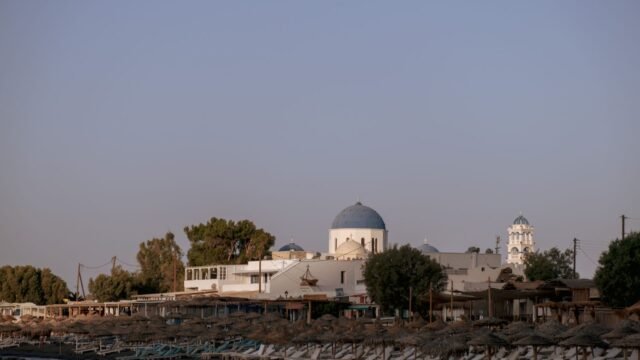
Most people who visit Santorini never make it to Perissa beach. They land, take a taxi to Oia,…
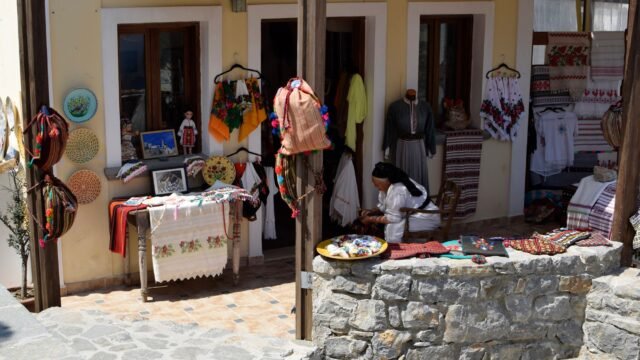
What Kontochori Is Actually Like Kontochori Santorini sits roughly two kilometres north of Fira, and most visitors speed…
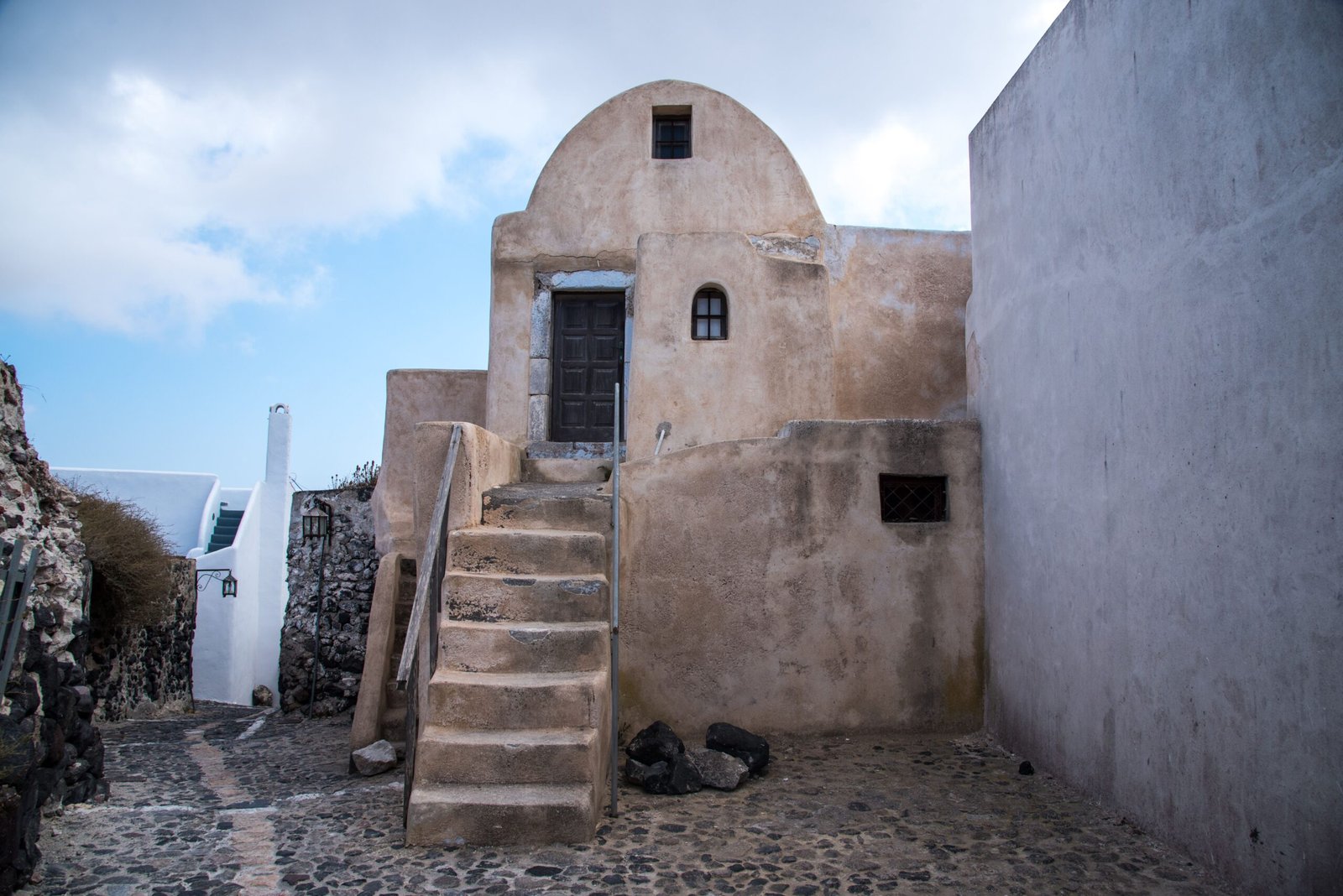
Why Pyrgos Deserves More Than a Passing Glance If you’re planning a trip to Santorini in 2026, Pyrgos…