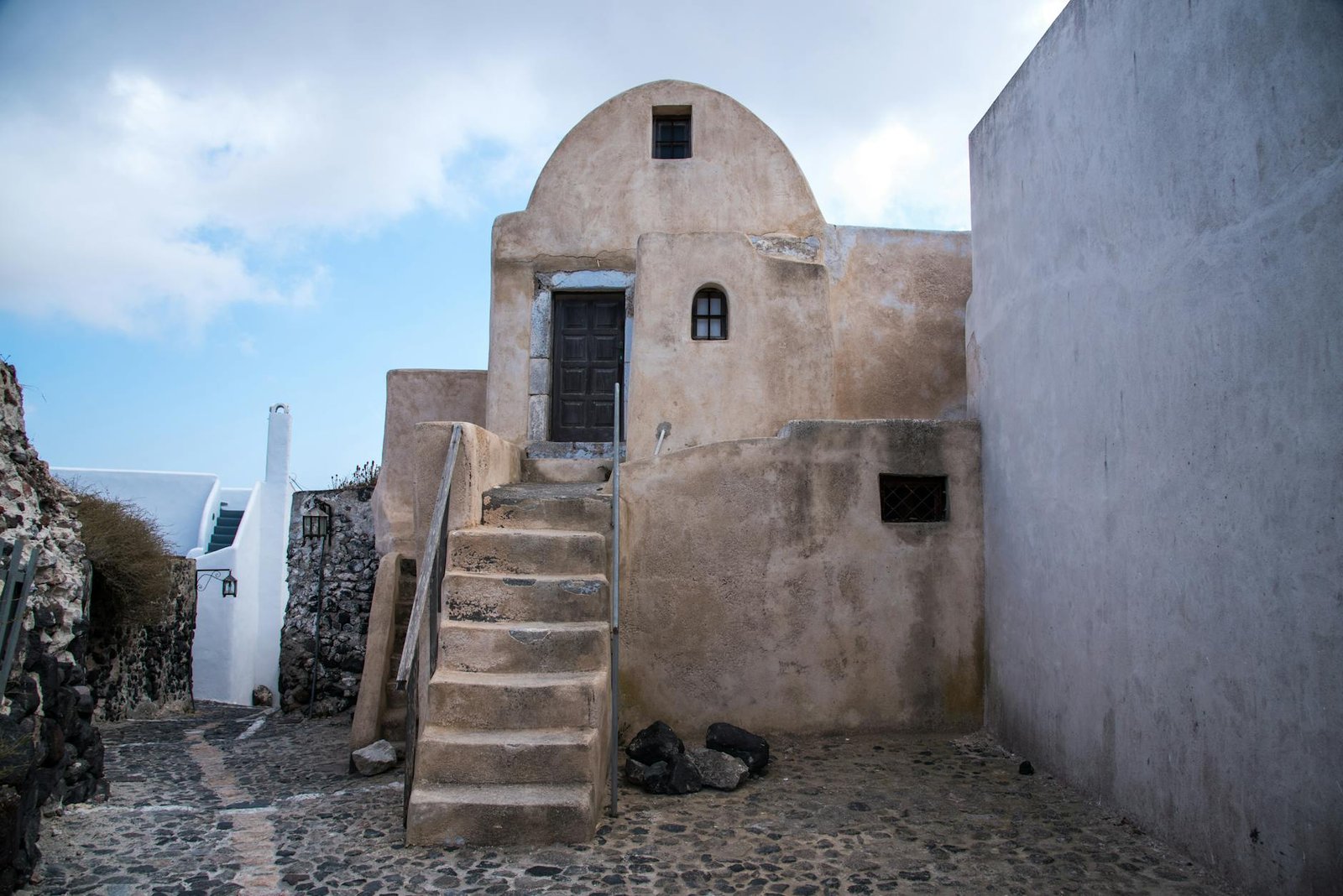
Most people come to Santorini and spend their entire trip in Oia and Fira, which honestly isn’t surprising — those villages are spectacular. But the island has another layer entirely: five medieval fortress villages called kastelia, built by Venetians in the 13th century specifically to defend against pirates. A village tour of Pyrgos, Emporio, and Megalochori shows you a completely different Santorini — labyrinthine lanes, traditional architecture, actual local life, and views that cost nothing to enjoy.
Why the Kastelia Were Built
Between the 13th and 16th centuries, piracy in the Aegean was genuinely brutal. Barbarossa and other corsairs raided Santorini so repeatedly that the population had been drastically reduced. The Venetian administrators controlling the island from 1207 came up with a radical solution: five fortified village-fortresses, each functioning as a single defensive unit.
The design was clever. Houses were built wall-to-wall so their outer walls created a continuous defensive perimeter. Lanes were kept deliberately narrow and confusing — easy to navigate if you grew up there, disorienting to any attacker who hadn’t. A single entrance gate sat above a projecting stone slot (the “fonissa”) through which defenders could pour boiling oil on anyone forcing entry. Watchtowers completed the system. It worked. The kastelia held against pirate assaults for centuries.
Pyrgos — The Highest Village
Pyrgos sits at the island’s highest point — population around 1,078 — and served as Santorini’s capital until 1800. It’s one of the best-preserved of the five kastelia. The Kasteloporta, the original entrance gate, still stands, the stone fonissa slot intact above it. Below the kasteli, an underground tunnel system gave residents emergency escape routes. People actually used these.
Get the Free Santorini Insider Guide
Where to watch the sunset without the crowds, which villages deserve your day, and what you need to book before you arrive.
Walking into the kasteli genuinely feels like stepping back several centuries. Lanes barely wide enough for two people. Whitewashed walls. Small windows. Then suddenly a gap opens and you’re looking straight out at the caldera. The village has 49 churches and chapels, which seems impossible until you start counting them. At the summit, small restaurants and cafes have caldera views that honestly rival Oia’s — at maybe a third of the price.
If you’re visiting around Easter, the Good Friday tradition here is something else entirely: tin lamps lit throughout the entire village as the epitaphios procession passes through. People come from across the island for it. The village square, once reserved for local aristocrats called kaloupaxtides, now has a war memorial and traditional cafes where locals still gather most evenings.
Megalochori — The Heart Village
The name means “big village.” The reality is that Megalochori is actually Santorini’s smallest settlement — quiet, unhurried, calm even in August when everywhere else is heaving. The main square, flanked by traditional buildings, is where you want to stop for lunch. Find a table at a local taverna and stay longer than you planned.
The thing most visitors miss is “Kardia” — the Heart — a natural heart-shaped opening in the caldera cliff that looks directly through to the volcano. It’s a genuinely extraordinary geological feature, almost completely unknown to tourists who haven’t done any research before arriving. From the right angle, framed through that opening of rock, the view of the volcano is the kind of thing you photograph, fail to adequately capture, and then remember anyway.
Emporio — The Island’s Largest Village
Emporio is the most substantial of the five kastelia and Santorini’s largest village by actual resident population. This is where traditional island life has survived most intact. Most mornings, elderly fishermen sell fresh catch from the central square. Small-scale farming, traditional crafts, local customs — they persist here in ways that have disappeared from the caldera villages entirely.
Pros
- Reveals a completely different Santorini — medieval kastelia, labyrinthine lanes, traditional architecture, and authentic local life largely absent from caldera villages
- Caldera views from Pyrgos's summit rival Oia's at roughly a third of the price
- Emporio remains noticeably quieter than northern villages even at peak season, offering rare tourist-free moments
- Guided tours include transport, local guide, photography stops, often a wine tasting, and hotel pickup/drop-off
Cons
- Summer crowds now push hard into Pyrgos, especially at caldera-view restaurants which fill by 7pm
- No shops inside the kastelia, so visitors must bring their own water
- Stone-paved, uneven, and steep lanes make unsuitable footwear a real hazard
- Taxi availability can be chaotic in high season, complicating self-guided connections between villages
The kasteli itself is exceptional. Because Emporio faced the most frequent pirate attacks, it built an extra observation tower — the only kasteli on the island with one. The defensive lanes are among the best-preserved on Santorini, genuinely labyrinthine in a way that still disorients you today even when no one is chasing you. Before the village entrance, the Mills on Gabriel Hill mark the landscape — used for centuries to grind flour. Give yourself at least 2 hours to walk the full kasteli properly.
What’s Included in a Village Tour
A guided village tour typically covers 3–4 villages in half a day, usually 4–5 hours. You get transport between villages, a local guide who actually knows the history and architecture, stops for photography, and often a wine tasting at a nearby winery — Megalochori sits surrounded by vineyards. Most tours include hotel pickup and drop-off, which matters on an island where taxi availability can be chaotic in high season.
Private tours let you customize: add the wine museum at Koutsogiannopulos, include the Profitis Ilias monastery on the island’s highest peak, or extend down to Perissa and the Akrotiri peninsula. Pricing runs €55–80 per person for small-group tours and €150–200 for private.
Self-Guided Village Exploration
All three villages are reachable by bus from Fira — Pyrgos and Megalochori on the main Akrotiri route, Emporio on the Perissa route. Buses run roughly hourly. The most logical approach for independent travelers: catch the bus to Pyrgos (25 minutes), walk the kasteli, have lunch at a summit cafe, then continue by bus or taxi to Megalochori (10 minutes), and finally Emporio (another 15 minutes). Return from Emporio via Perissa back to Fira.
Get started by 9am in summer. The lanes are yours before the day heats up and before anyone else arrives. Bring water — there are no shops inside the kastelia. Wear actual shoes with grip, not sandals. The lanes are stone-paved and uneven, and some sections are steep.
The Best Kept Secret on the Island
People who’ve been to Santorini two or three times — who’ve already done the catamaran tour, watched the sunset from Oia, done all of it — consistently say the inland kastelia tour was their best day. The contrast with the caldera villages hits you immediately. Walk into Emporio’s lanes on a summer afternoon and you might go ten minutes without seeing another tourist. That almost doesn’t happen anywhere on this island anymore. It’s Santorini before the crowds found it.
Frequently Asked Questions
Is Pyrgos worth visiting if I'm staying in Oia or Fira?
Can you walk between Pyrgos, Emporio, and Kastelia in one day?
What's the best time to visit these villages to avoid crowds?
Are there restaurants and shops in Emporio and Pyrgos, or should I eat in Fira first?
Is it safe to drive to these villages, or should I hire a guide?
More Things to Do in Santorini
Top-rated experiences with free cancellation and instant confirmation.
Related Articles
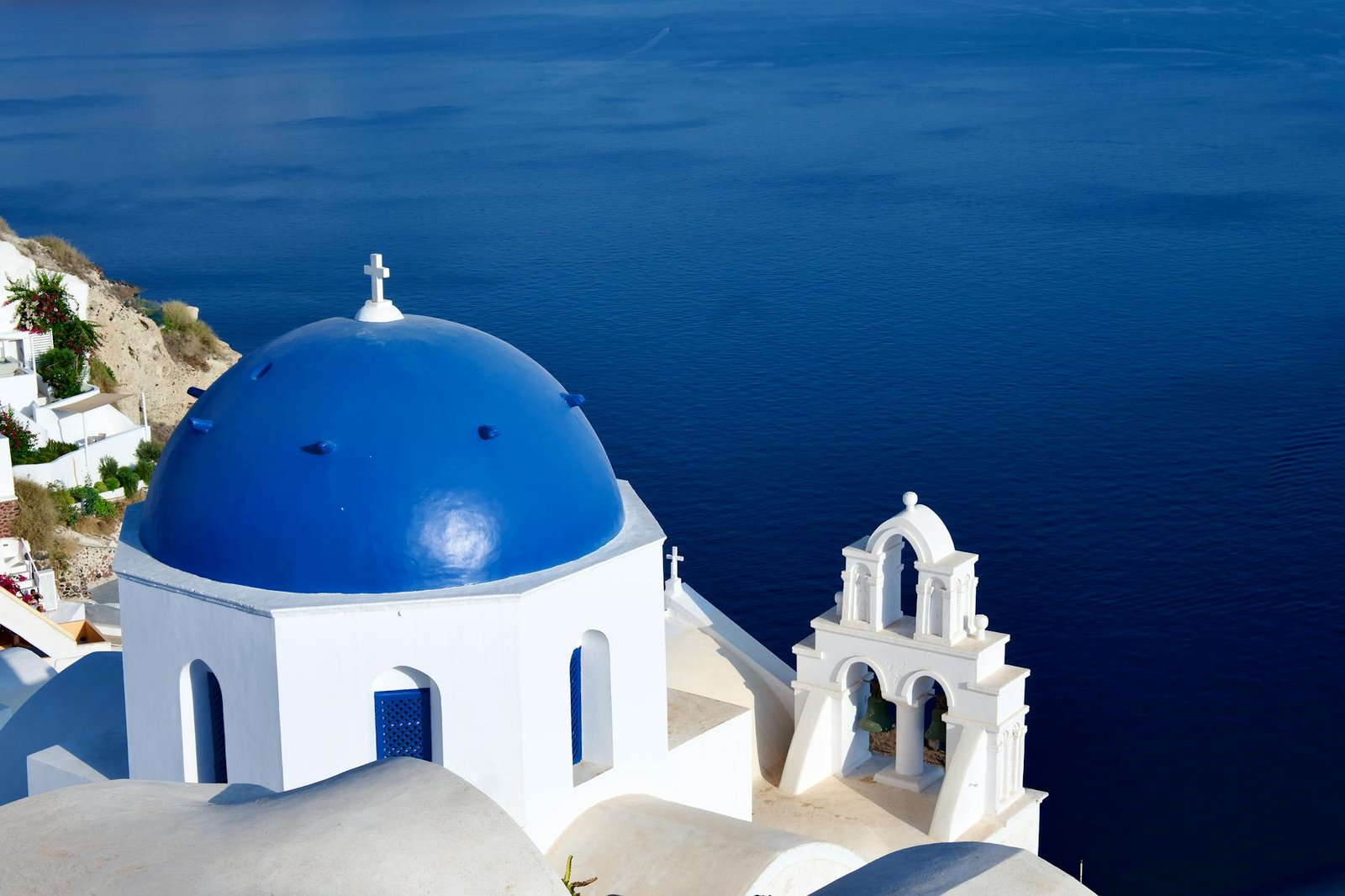
Find Santorini most photogenic secret locations with a local photography guide — beyond the blue domes and tourist…
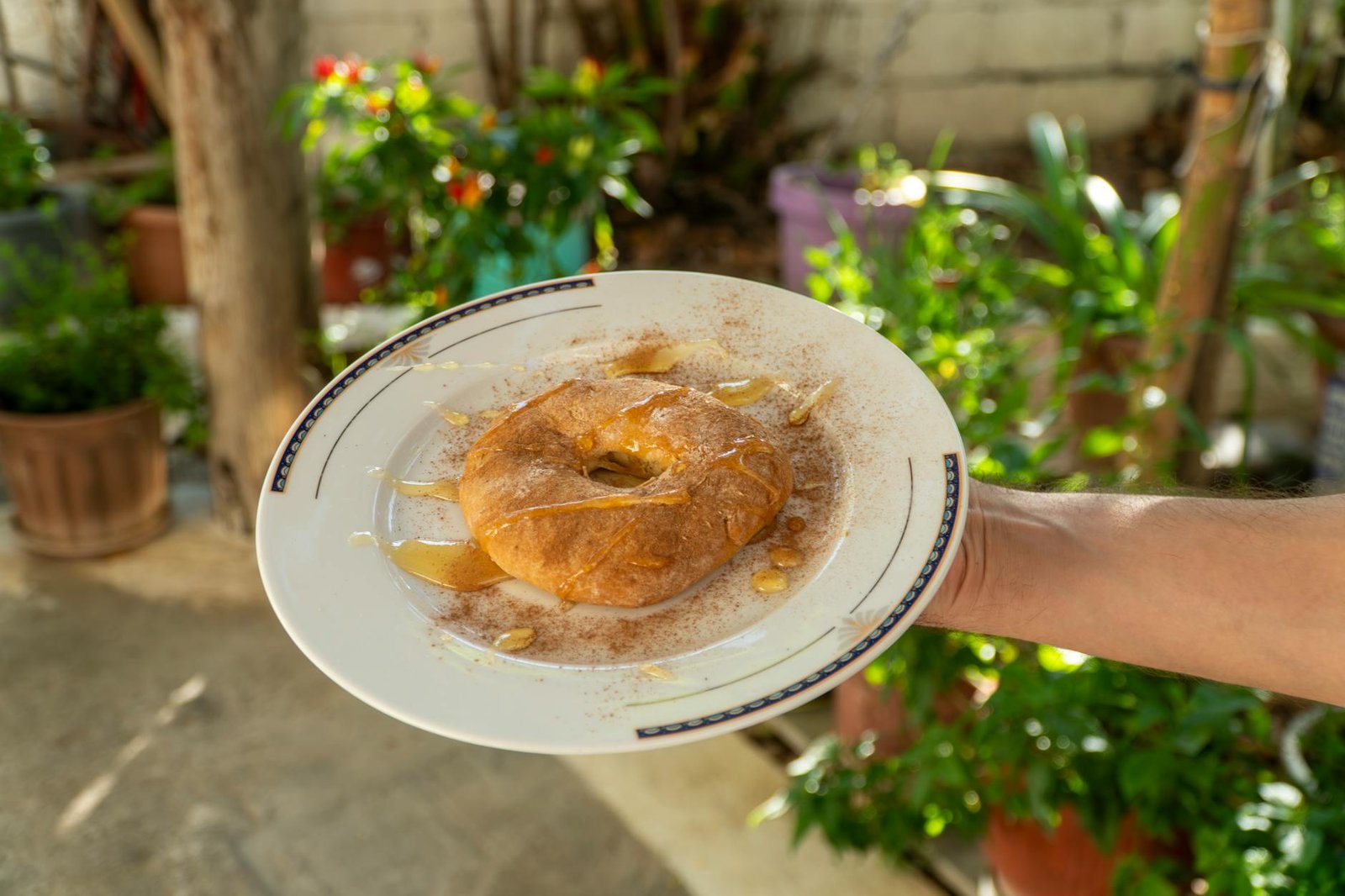
Explore Santorini unique volcanic cuisine on a guided food tour — from tomatokeftedes to fava, cherry tomatoes to…
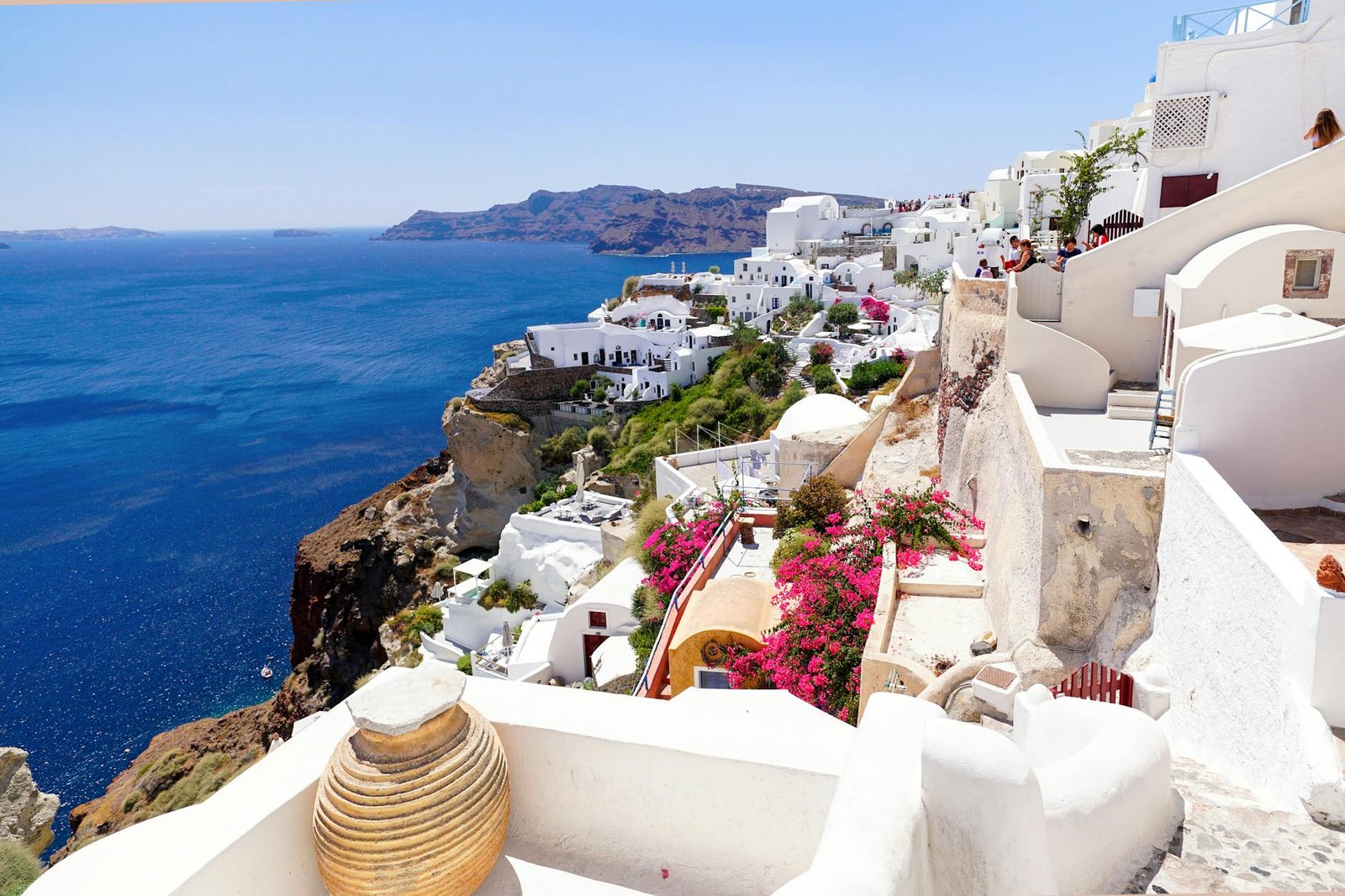
Walk the iconic caldera trail from Oia to Fira through Firostefani and Imerovigli — 10km of the most…