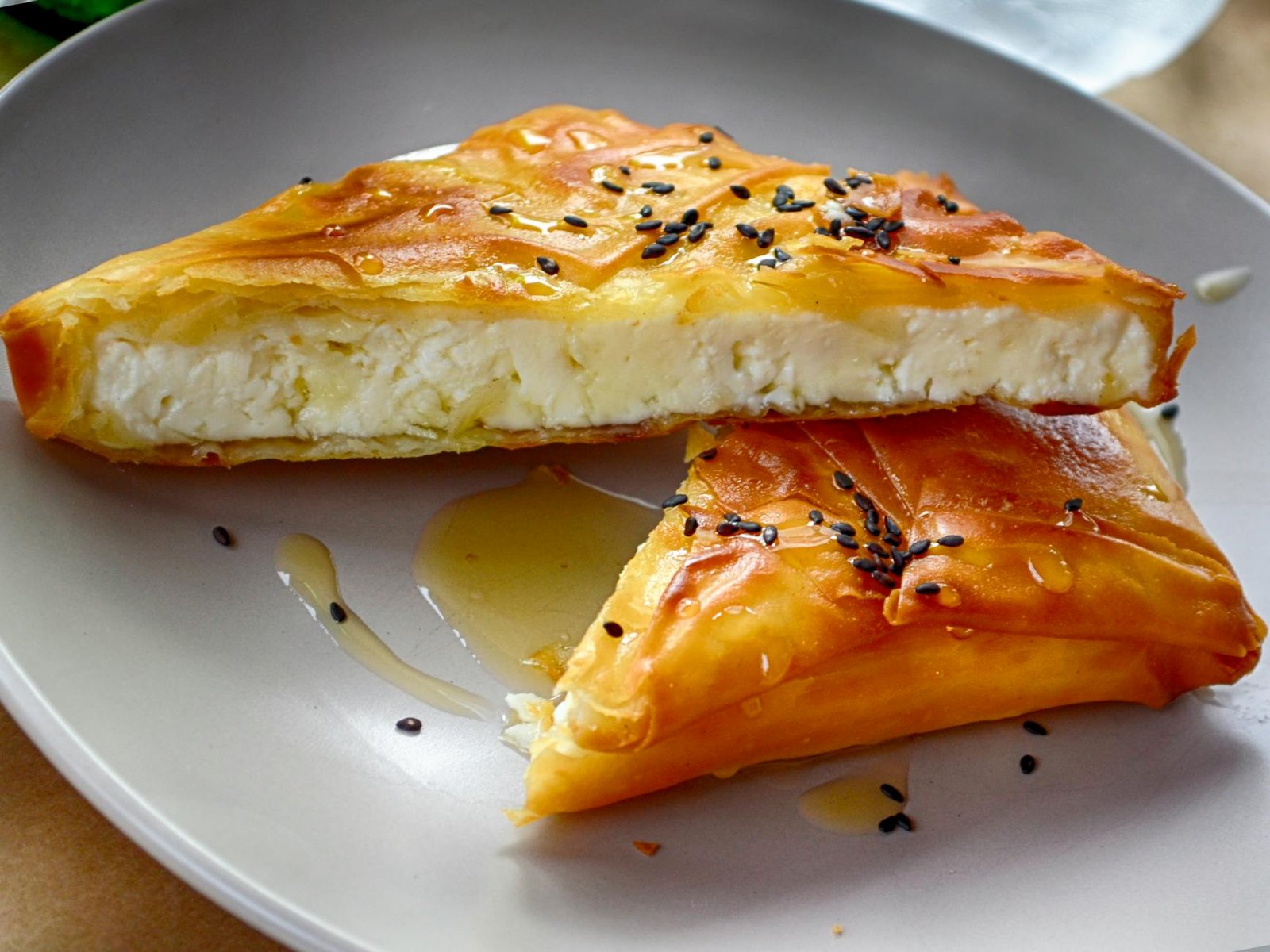
Food is the fastest way into a place’s soul. And on Santorini, that means getting your hands dirty in a kitchen, working with ingredients that taste like nowhere else on earth. A Santorini cooking class isn’t just a nice afternoon activity — it’s genuinely one of the best ways to understand why this island’s cuisine has its own distinct identity, shaped by thousands of years of volcanic geology.
What Makes Santorini’s Ingredients Different
The volcanic soil here is the whole story. That catastrophic eruption 3,600 years ago — the one that formed the caldera — left behind pumice, ash, and minerals that have been slowly building something extraordinary ever since. The result is soil that produces flavours you simply can’t replicate elsewhere in Greece, let alone your home country.
- Santorini cherry tomatoes — tiny, intensely sweet and acidic, grown without irrigation (the volcanic soil retains moisture from sea mist). The base of tomatokeftedes — the island’s signature fritter.
- White eggplant (melitzana aspri) — native to Santorini, sweeter and creamier than standard aubergine, without the bitterness
- Fava (yellow split peas) — cultivated on Santorini since antiquity. PDO-protected. Pureed with olive oil and lemon, it is one of Greece’s great dishes.
- Capers — wild-growing on the island’s stone walls, intensely flavoured
- Caper leaves and buds — pickled and used throughout local cooking
What Happens in a Santorini Cooking Class
Most Santorini cooking classes run 3–4 hours and follow a loose but satisfying structure. You’re not just watching someone demonstrate — you’re actually cooking, which makes a real difference in what you retain and take home.
- Market visit or farm tour — many classes start at a local market or farm where you select fresh ingredients and learn about Santorinian produce from farmers
- Cooking session — hands-on preparation of 4–6 traditional dishes in a professional kitchen, usually in a traditional house or winery setting
- Wine pairing — most classes include Assyrtiko and other local wines paired with each dish
- Sit-down meal — you eat what you cook, together, at a shared table
- Recipe cards — take home the recipes to recreate the dishes
Dishes You’ll Typically Cook
The menu varies by class and season, but these show up regularly — and for good reason. Each one showcases a specific local ingredient in a way that makes sense once you’ve actually handled them raw.
- Tomatokeftedes — the iconic cherry tomato fritters with mint and onion, fried in olive oil
- Fava dip — slowly cooked yellow split peas pureed with caramelised onion and lemon
- Melitzanosalata — roasted white eggplant dip with garlic and olive oil
- Grilled octopus — tenderised and grilled over charcoal, finished with lemon and oregano
- Fresh fish with capers and tomato — a simple, perfect combination of island flavours
- Loukoumades — honey-drenched Greek doughnuts, sometimes served with Vinsanto reduction
Best Time to Book a Cooking Class
Classes run year-round, but don’t leave booking to the last minute in summer. July and August fill up fast — give yourself at least 1–2 weeks lead time. Morning classes starting around 10am are the sweet spot: you’re done by early afternoon with a full stomach, and the rest of the day is yours for beaches or a wine tasting in Pyrgos or Megalochori.
Pros
- Hands-on cooking with unique PDO-protected, volcanic-soil ingredients unavailable elsewhere
- Includes wine pairing with local Assyrtiko and other wines, plus a sit-down meal of what you cook
- Recipe cards provided so you can recreate dishes at home
- Morning classes finish by early afternoon, leaving the rest of the day free
Cons
- July and August classes fill up fast, requiring at least 1–2 weeks advance booking
- Prices have increased roughly 15% recently, so budgeting needs adjustment
- Seasonal menus mean the dishes described may differ depending on when you visit
- Group classes have 8–12 people, which may feel crowded; private classes cost significantly more (EUR 200–350)
Practical Information
- Duration: 3–4 hours typically
- Group size: Usually 8–12 people (some offer private classes)
- Includes: All ingredients, wine, the meal itself, recipes
- Price range: €70–120 per person for group; €200–350 for private
- Suitable for: All levels — no cooking experience required
- Children: Most classes welcome children aged 8+
A Santorini cooking class is one of those experiences that genuinely travels home with you. Long after the sunburn fades and the Assyrtiko is a memory, you’ll find yourself making tomatokeftedes on a Tuesday night, explaining to whoever’s in the kitchen that the secret is the volcanic soil. You’ll be right, and slightly insufferable about it. Worth it.
Hungry for more? Our sister site FoodTourTrails has an in-depth Santorini food guide — best dishes, where locals actually eat, and food tours worth booking.
Frequently Asked Questions
What volcanic ingredients are unique to Santorini that we'll use in the cooking class?
Do I need cooking experience to join a Santorini cooking class?
How long do these cooking classes typically last and what's included?
What's the best time of year to take a cooking class in Santorini?
Can I book a private cooking class for my group, or are they only group experiences?
More Things to Do in Santorini
Top-rated experiences with free cancellation and instant confirmation.
Related Articles
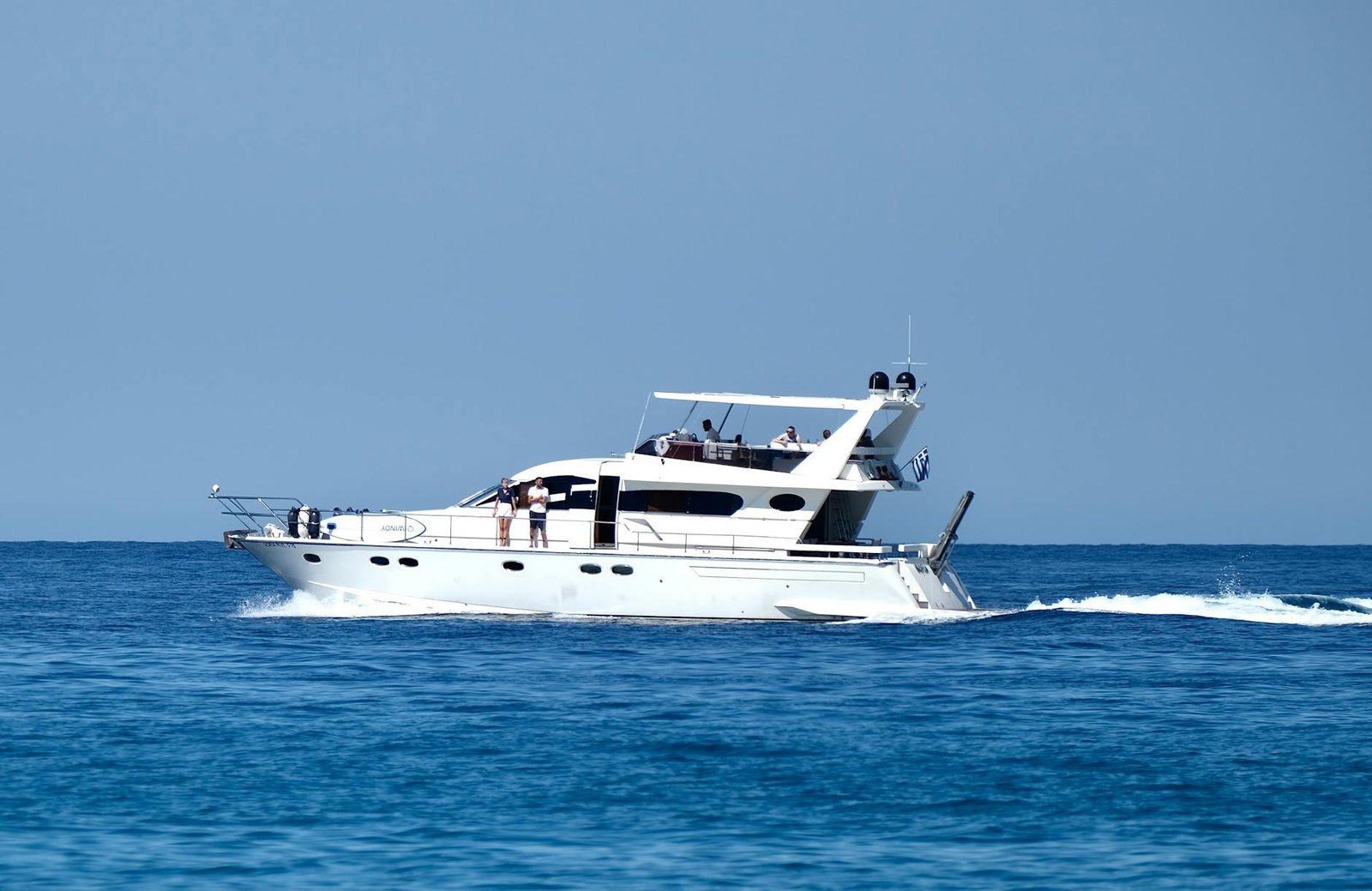
Updated July 2026: Updated July 2026: Summer 2026 has brought noticeably earlier peak-season demand to Santorini’s charter market,…
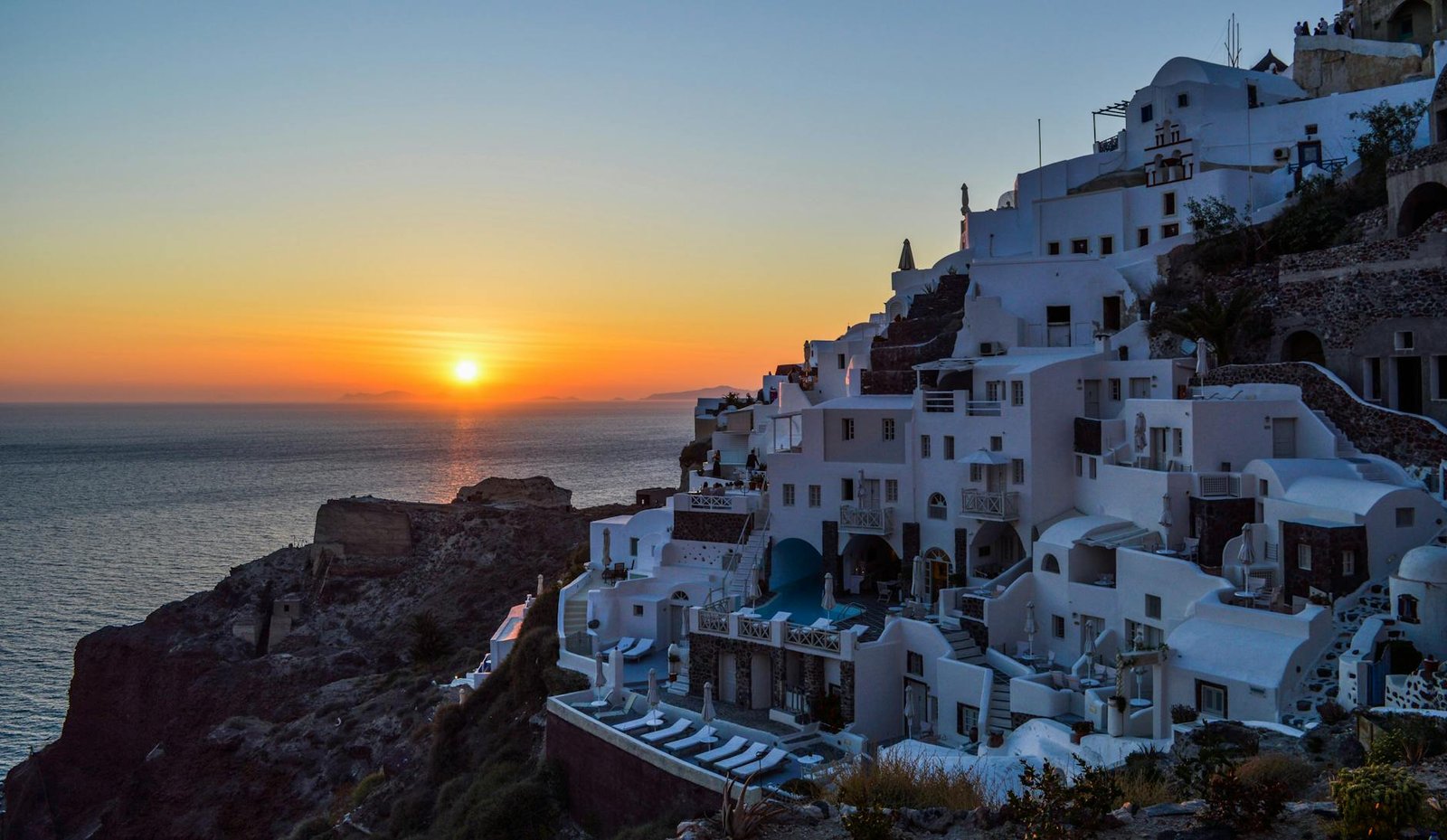
The complete guide to Santorini sunset experiences — best viewpoints, sunset cruises, rooftop bars, and how to avoid…
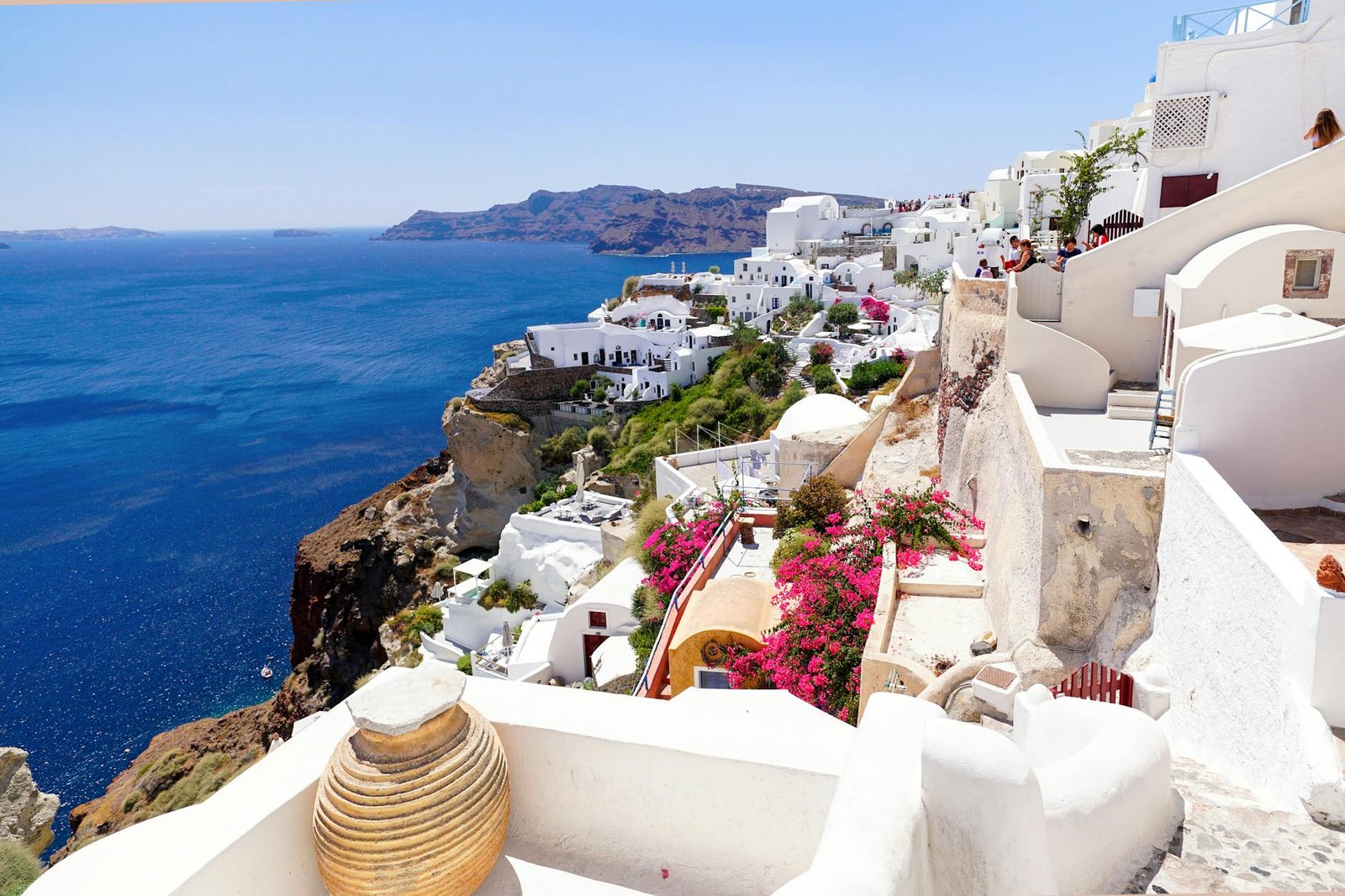
Walk the iconic caldera trail from Oia to Fira through Firostefani and Imerovigli — 10km of the most…