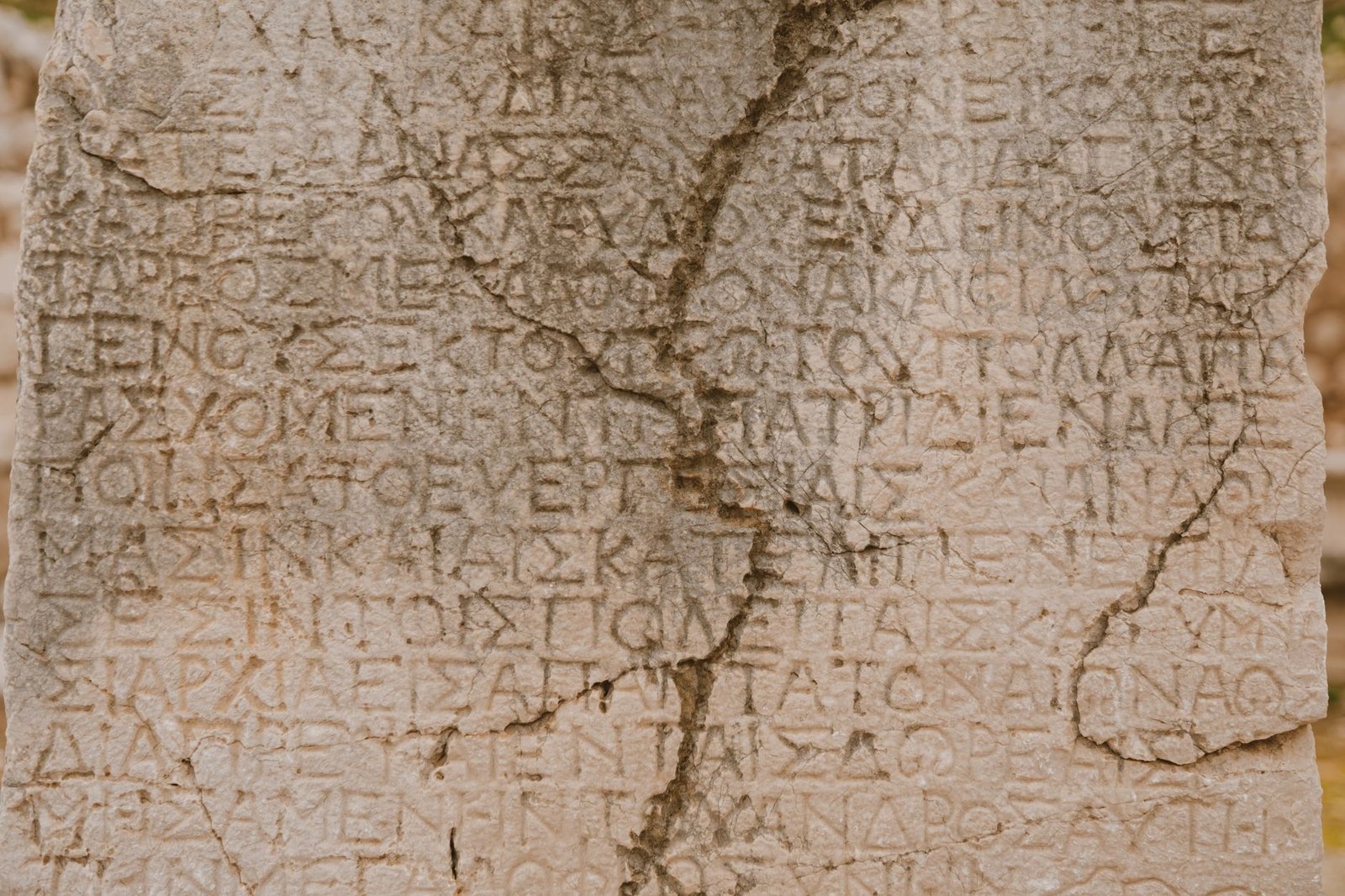
Why Bothering With Greek Actually Matters
Learning a few essential Greek phrases for Santorini before you land in 2026 will change your trip in ways no guidebook fully captures. I’m not talking about fluency. I mean ten or fifteen words that signal to locals you’re not just another cruise passenger who treats the island like a theme park. The difference in how you get treated — at family tavernas in Pyrgos, at the laundry lady’s shop in Megalochori, at a bakery at 7am when no one else is awake — is genuinely striking.
Santorini gets roughly three million visitors a year now. Locals are tired. Many have stopped expecting anything from tourists beyond spending money and leaving. Prove them wrong with a single word of Greek and watch their expression shift.
The Absolute Basics (Start Here)
Don’t try to learn everything. Learn these first and use them constantly.
- Yassas (Γεια σας) — Hello / Goodbye (formal, use with anyone over 40 or in a shop). Pronounced: YAH-sahs.
- Yassou (Γεια σου) — Hello / Goodbye (casual, use with younger people). Pronounced: YAH-soo.
- Efharisto (Ευχαριστώ) — Thank you. Pronounced: ef-hah-ree-STOH. This one alone will open doors.
- Parakalo (Παρακαλώ) — Please / You’re welcome. Pronounced: pah-rah-kah-LOH.
- Signomi (Συγγνώμη) — Sorry / Excuse me. Pronounced: see-GHNO-mee. Critical when squeezing past someone on the narrow paths of Oia.
- Ne (Ναι) — Yes. Pronounced: neh. Confusing for English speakers because it sounds like ‘nay.’
- Ohi (Όχι) — No. Pronounced: OH-hee.
Phrases That Actually Get You Better Deals
Here’s the honest part. Vendors at the Fira market and shop owners near the cable car area mark prices up significantly for tourists. If you walk in speaking Greek — even badly — the psychological dynamic shifts. You’re no longer categorized as easy money.
Get the Free Santorini Insider Guide
Where to watch the sunset without the crowds, which villages deserve your day, and what you need to book before you arrive.
- Poso kani? (Πόσο κάνει;) — How much does it cost? Pronounced: POH-soh KAH-nee.
- Einai akrivo (Είναι ακριβό) — It’s expensive. Pronounced: EE-neh ah-kree-VOH. Say this with a slight wince and sometimes the price drops.
- Borite na kanoume mia kalitero timi? (Μπορείτε να κάνουμε μια καλύτερη τιμή;) — Can we do a better price? This is advanced but worth memorizing phonetically: boh-REE-teh nah KAH-noo-meh myah kah-LEE-teh-roh tee-MEE.
- Tha to paro (Θα το πάρω) — I’ll take it. Pronounced: thah toh PAH-roh. Say this decisively after negotiating.
At Restaurants and Cafes
Eating in Santorini in 2026 is expensive. Budget around €18-30 per person for a sit-down meal in Oia, less in Emporio or Akrotiri where actual Greeks still eat. Knowing a few phrases here matters.
- Ena trapezi gia dyo, parakalo — A table for two, please. (EH-nah TRAH-peh-zee yah DYOH)
- Ti sistanis? (Τι συστήνεις;) — What do you recommend? Locals genuinely appreciate this one.
- To logariasmo, parakalo (Τον λογαριασμό, παρακαλώ) — The bill, please. Don’t make them chase you down for it.
- Itan poly nostimo (Ήταν πολύ νόστιμο) — It was very tasty. Say this on the way out and you might get a free shot of raki.
Cultural Etiquette Nobody Tells You
Phrases are half the battle. The other half is knowing the unwritten rules.
Greeks greet each other with eye contact and usually a handshake or two kisses on the cheek if they know you. Jumping straight to a transaction without at least a ‘yassas’ is considered rude — full stop. Even in a busy shop, pause and greet.
Church visits require covered shoulders and knees, no exceptions. The monastery at Profitis Ilias enforces this strictly. If you’re booking a cultural day tour through something like Viator, the better guides will brief you on this beforehand.
Tipping isn’t mandatory in Greece but rounding up the bill or leaving a euro or two is genuinely appreciated. Don’t leave it on the table when you walk away — hand it directly to the server.
Lunch runs late here. Don’t expect a kitchen to be fully running before 1pm, and many locals don’t sit down until 2 or 2:30pm. Dinner rarely starts before 9pm. If you show up at 6pm demanding food, you’ll get it, but you’ll eat alone next to other confused tourists.
Pronunciation Tips for Non-Greek Speakers
Greek isn’t phonetically obvious if you’ve only ever read the letters on a fraternity house. A few rules that helped me:
- The letter combination gh in transliterations sounds like a soft gargle — not a hard G.
- Th in Greek is often closer to the English ‘th’ in ‘the,’ not ‘thick.’
- Stress the syllable written in capitals in the guides above. Greeks use stress heavily and the wrong emphasis can change meaning.
- Don’t rush. Greeks speak at a measured pace. Slowing down actually helps your pronunciation.
If you want to go deeper before your trip, apps like Duolingo have a Greek course, though it won’t specifically prep you for Santorini dialect quirks. For a structured introduction to Greek culture alongside your phrases, some excellent pre-departure experiences are listed on GetYourGuide under Greek language and culture workshops in Athens — worth doing if you’re island-hopping.
One Last Thing
Nobody expects you to be perfect. Mangle the pronunciation. Forget the word halfway through. Greeks will almost always smile, correct you gently, and appreciate the attempt far more than the polished English of someone who never tried. That smile is worth more than any discount.
Frequently Asked Questions
Do I really need Greek phrases in Santorini since everyone speaks English?
Is it rude to attempt Greek badly?
Can knowing Greek phrases actually get me lower prices in Santorini markets?
What are the most important Greek words to learn before visiting Santorini in 2026?
Are there any Greek phrases specific to ordering local Santorini food and wine?
More Things to Do in Santorini
Top-rated experiences with free cancellation and instant confirmation.
Related Articles

Planning a Santorini family vacation takes more preparation than the average romantic getaway, and that gap between expectation…
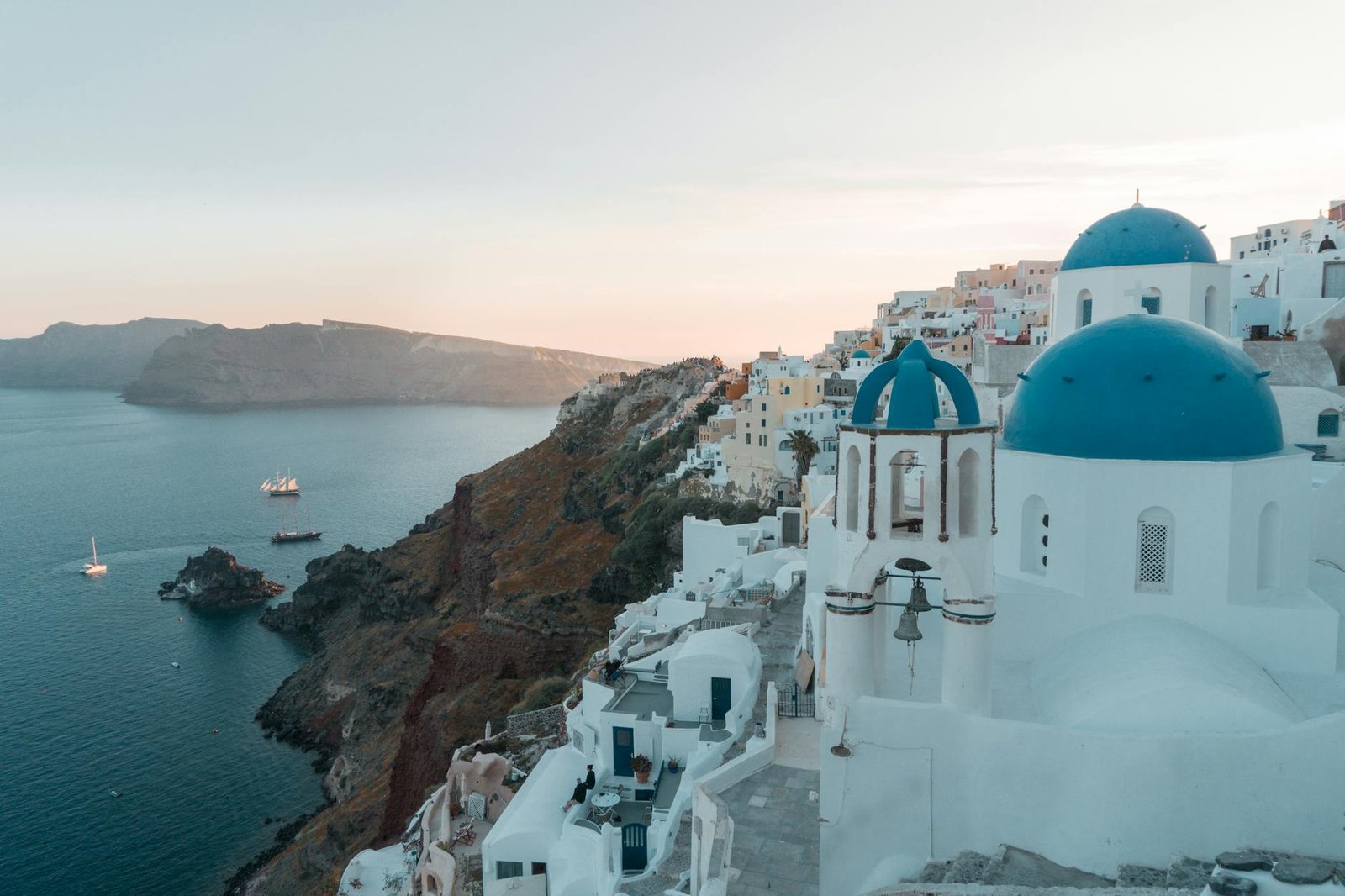
Santorini vs Mykonos: An Honest Breakdown for 2026 I’ve done both islands more times than I care to…
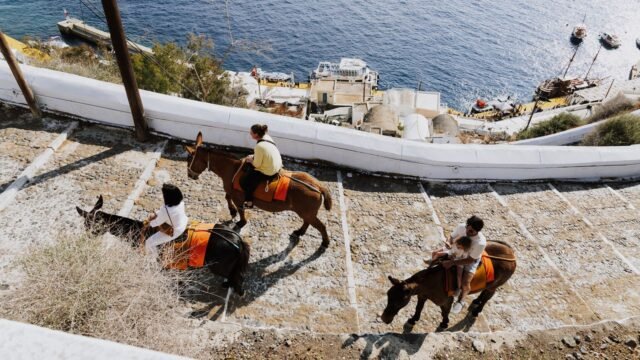
If you’re planning a trip to Santorini and wondering about donkey rides Santorini, let me be straight with…