Santorini Cultural Experiences — What You Actually Need to Know
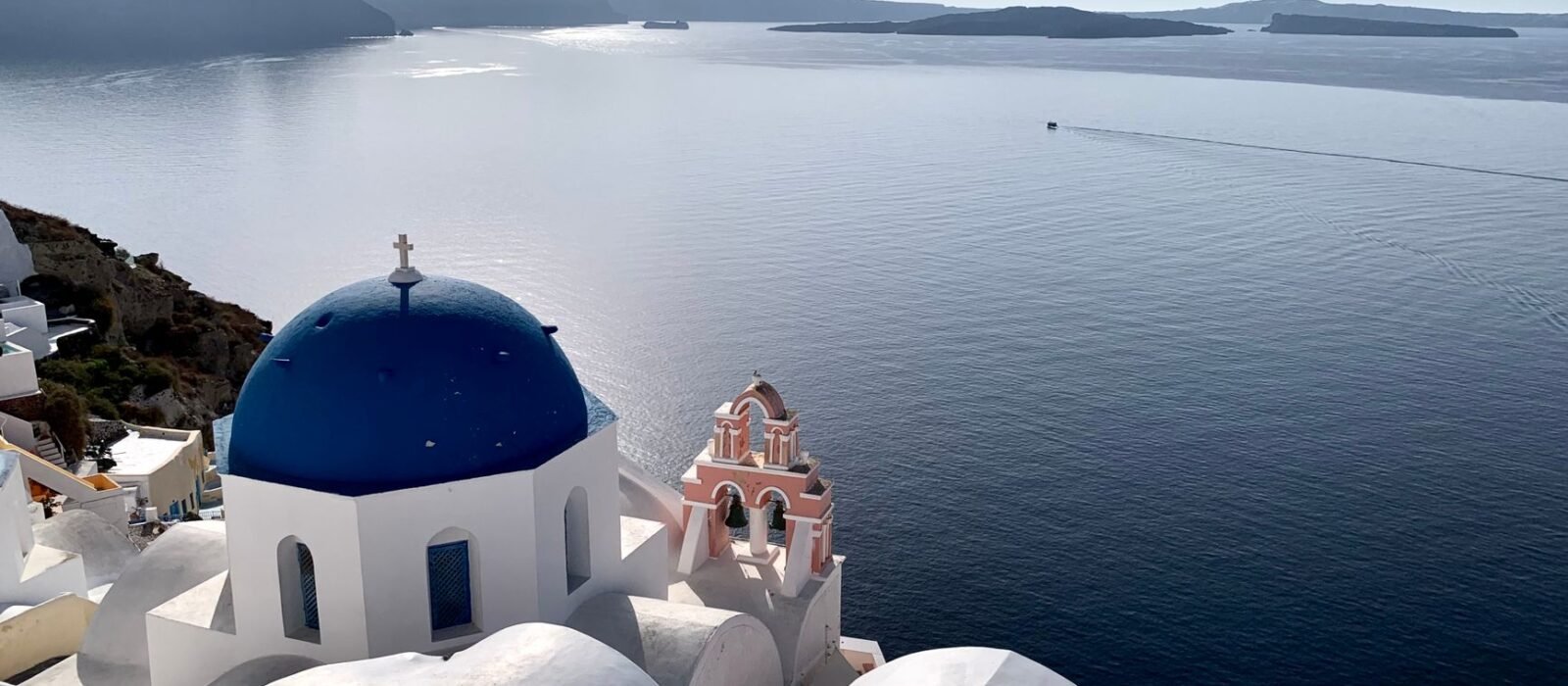
Santorini cultural experiences go well beyond the postcard cliffs and sunset crowds. The island has a genuinely layered history — Minoan, Byzantine, Venetian, Ottoman — and in 2026 there are real museums, working galleries, and living traditions worth your time. The challenge is separating the authentic from the overpriced. Most cultural sites sit in Fira, Oia, and the inland village of Pyrgos, and almost all are walkable or a short bus ride from the main settlements. Budget around €8–€15 per museum entry, and plan your visits for mornings — before the cruise ships dock around 10am and the sites get crowded.
Museums Worth Spending Time In
The Museum of Prehistoric Thera in Fira is the most important cultural stop on the island. It houses extraordinary finds from the Bronze Age settlement of Akrotiri — vivid frescoes, pottery, and gold objects pulled from the site after the catastrophic Minoan eruption around 1600 BCE. Entry costs roughly €6 and the museum is small enough to do properly in 90 minutes. Go early; by 11am it fills with cruise groups.
The Archaeological Site of Akrotiri itself, on the southern tip of the island, is separate and worth the extra trip. The site is covered by a large canopy, so it works even on overcast days. Entry is around €12, and combined tickets with the Prehistoric Thera museum are available. Allow at least two hours.
In Fira, the Gyzi Megaron — a 17th-century Venetian mansion — hosts rotating exhibitions of Byzantine manuscripts, engravings, and local historical documents. It’s easy to overlook but genuinely interesting for anyone curious about the island’s Frankish and Venetian periods. Entry is around €3.
Get the Free Santorini Insider Guide
Where to watch the sunset without the crowds, which villages deserve your day, and what you need to book before you arrive.
The Santo Wines Cultural Centre near Pyrgos occasionally runs heritage exhibitions alongside wine tastings — worth checking their 2026 program before you go.
Art Galleries and the Local Creative Scene
Oia has a high concentration of galleries, though quality varies sharply. Art Gallery Oia on the main caldera path carries works by Greek painters alongside ceramic and sculpture — some pieces are priced for collectors, but browsing is free and the curation is honest. More interesting is Phenomena Art Gallery in Fira, which consistently shows contemporary Greek artists working in response to the volcanic landscape. Prices start around €200 for smaller works.
Pyrgos, the medieval hilltop village, is worth an afternoon away from the caldera crowds. Several small studios operate here — look for signs along the stepped lanes — and the work tends to be less tourist-directed than in Oia. The Nikolaou Art Gallery there specialises in local painters and offers a more honest look at what Santorinian artists are actually producing.
For something more participatory, pottery workshops run out of studios near Megalochori. A half-day session using local volcanic clay runs about €60–€80. GetYourGuide lists several options with verified reviews, which is a useful filter given how wildly the experience quality can differ.
Cultural Events and Local Traditions in 2026
The Ifestia Festival, held each summer in Fira (usually late August), recreates the island’s volcanic eruption with fireworks and theatrical performances above the caldera. It’s dramatic and draws crowds, but it’s a genuinely local event rather than a manufactured tourist show. Book accommodation well in advance if your dates fall around it.
Easter on Santorini is one of the best times to experience Greek Orthodox tradition without the summer crush. The Good Friday procession through Fira’s streets, with candles and chanting moving past the Catholic Cathedral, is worth arranging your trip around. The atmosphere is quiet and sincere — a real contrast to August.
The inland villages hold panigiri — local saints’ day festivals — throughout the summer. The celebration at Pyrgos for the Feast of the Transfiguration (August 6) draws islanders more than tourists, with live music, food stalls, and liturgical ceremony. No ticket, no booking — just show up respectfully.
Viator lists guided cultural walks that combine the Akrotiri site with village stops and local food — useful if you want context and background without the legwork of piecing it together yourself.
Practical Notes for 2026
Most museums are closed on Mondays, and some sites reduce hours or shut entirely in late October. Always check the Greek Ministry of Culture website for current opening hours before visiting — schedules shift and the information on third-party sites is often outdated.
The island is at peak saturation from late June through August. If culture is your priority, May or September gives you cooler temperatures, manageable crowds, and fully open sites. The local bus (KTEL) connects Fira to Akrotiri (about €1.80) and runs reliably through the summer season.
Carry cash for smaller galleries and village festivals — card readers are not universal. A basic knowledge of Greek courtesy goes a long way in inland villages where English is less common. Learning efharisto (thank you) and kalimera (good morning) genuinely changes interactions at local sites.
Frequently Asked Questions
What is the most important museum to visit in Santorini?
Is the Akrotiri archaeological site worth visiting in 2026?
When is the best time of year to experience Santorini's local culture?
Are there authentic cultural events in Santorini that aren't aimed at tourists?
How can I find reputable cultural tours and workshops in Santorini?
More Things to Do in Santorini
Top-rated experiences with free cancellation and instant confirmation.
Related Articles
Updated July 2026: Update (July 2026): We’re now past peak season, and a few things worth flagging from…
Updated July 2026: Update added July 2026: Ferry schedules between Santorini and Heraklion have been trimmed for the…
Santorini Beyond the Blue Domes Most people come to Santorini for the sunsets and the overpriced wine. But…