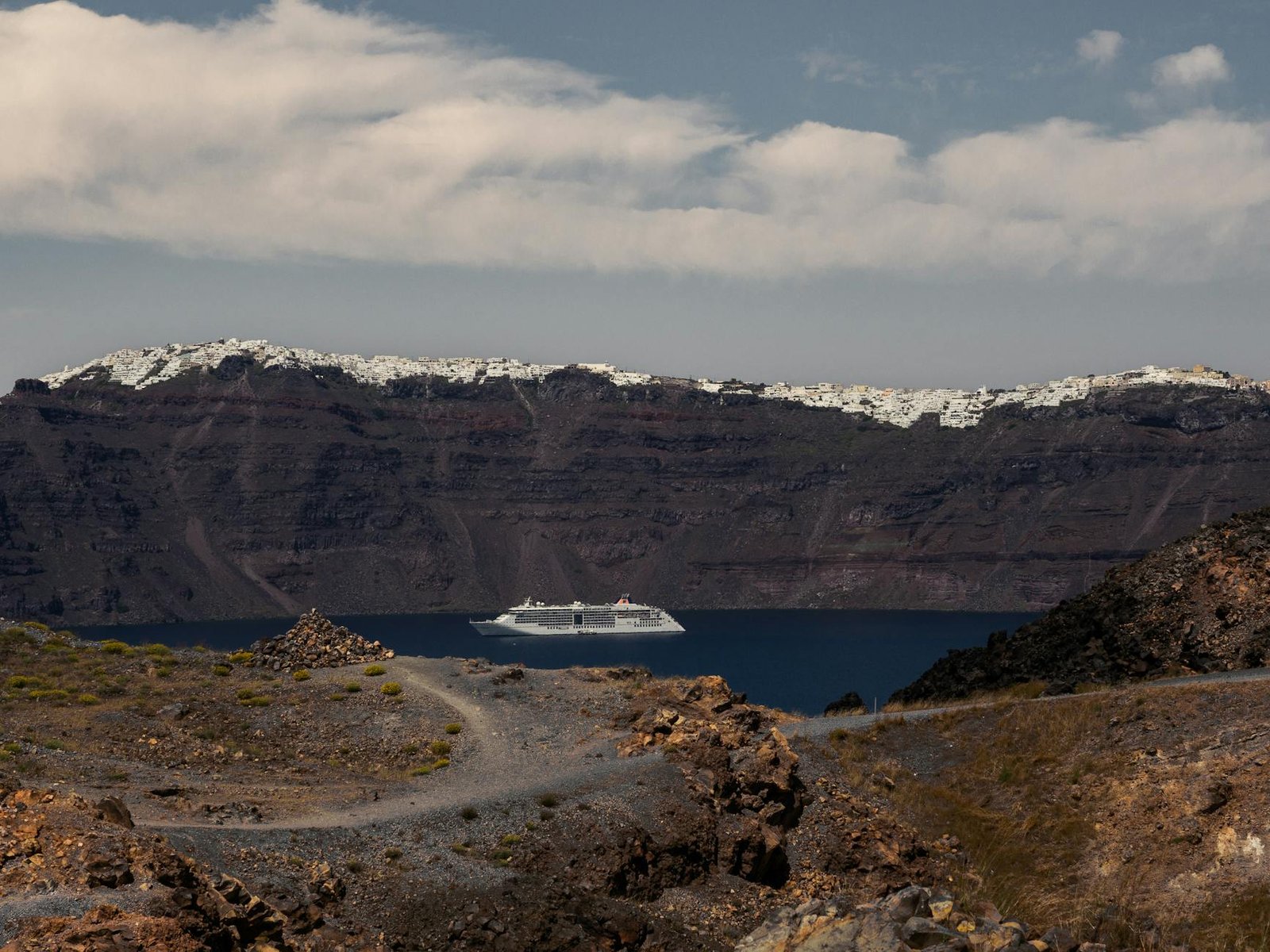
Santorini is one of those rare places where a single geological event didn’t just reshape the landscape — it may have redirected the entire arc of ancient Mediterranean history. What happened here in 1613 BC altered the Bronze Age Aegean so fundamentally that archaeologists and historians are still arguing about the full extent of the damage.
Before the Eruption: The Minoan Civilisation
In the centuries before 1613 BC, Santorini — then called Strongyli, meaning “round,” for its circular shape — was home to a sophisticated, densely populated city at what is now Akrotiri. These people lived in two and three-storey buildings with indoor plumbing, hot and cold running water, and proper drainage. Their walls were painted with frescoes: boxing children, saffron gatherers, fleets of ships, elegant women. This was no primitive outpost. It was an advanced Bronze Age urban centre actively trading with Crete, Egypt, and the wider eastern Mediterranean.
Everything we know about this world comes from Akrotiri’s excavations, begun in 1967. Here’s what makes it different from Pompeii: no human remains were found. The population got out before the volcano blew, taking their valuables with them. What they left behind sat under volcanic ash for 3,600 years, preserved almost perfectly.
The Minoan Eruption — 1613 BC
The eruption that destroyed Santorini ranks among the largest in the past 10,000 years. The volcanic cone — which had once stood over a thousand metres high — collapsed catastrophically inward, carving out the caldera you’re looking at today when you stand in Fira or Oia. The blast threw thousands of cubic kilometres of material into the atmosphere.
Get the Free Santorini Insider Guide
Where to watch the sunset without the crowds, which villages deserve your day, and what you need to book before you arrive.
The fallout was global. Volcanic ash landed on Egypt, triggering acid rain and crop failure. The Pharaoh was reportedly buried alive — his people believed a ruler who couldn’t prevent divine punishment had lost the gods’ favour. A volcanic winter followed, ash in the upper atmosphere blocking sunlight for months and dropping global temperatures by 3–4°C.
Most consequentially, the eruption sent a tsunami toward the coast of Crete that devastated the Minoan civilisation. Greek mythology frames this as Poseidon’s anger at the Minoans’ hubris — their belief that they were equal to the gods. Whether or not you buy that interpretation, the outcome is clear: the Minoan civilisation never fully recovered, and power across the Aegean shifted permanently.
Ancient Names and Settlements
The island sat uninhabited for centuries after the eruption. When settlers finally returned, they brought new names: Kallisti (most beautiful), and eventually Thira, after a Spartan coloniser named Theras who established the first post-eruption settlement on Mesa Vouno mountain — where the ruins of Ancient Thera still stand today. Thira remains the island’s official Greek name.
Those first returning inhabitants lived in caves formed by volcanic ash that had cooled rapidly as it fell. That’s the origin of the hyposkafa cave house architecture that defines Santorini’s iconic look. The volcanic earth itself — Thiraiki gi — turned out to be structurally remarkable. Centuries later, it was mixed with cement to help build the walls of the Suez Canal.
The Venetian Era — 1207 to 1566
After the Fourth Crusade and the fall of Constantinople in 1204, Venice moved into the Cyclades. Marco Sanudo, the first Doge of the Aegean, founded the Duchy of the Archipelago in 1207. Santorini passed to the Barozzi family, who held it for 128 years, then to the Sanudi, then to the Crispi dynasty in 1387.
The Venetians left a serious architectural footprint. Pirate raids were a constant threat — Barbarossa and others regularly hit these islands — so they built five fortified villages called kastelia: at Oia (Kastro of Saint Nicholas), Imerovigli (Skaros), Pyrgos, Akrotiri, and Emporio. Walk through any of these today and you’ll feel it: houses built wall-to-wall to create a defensive perimeter, lanes so narrow two people can barely pass, a single entrance and exit, observation towers throughout. Emporio got an extra watchtower because it absorbed the most attacks.
The Venetians also pushed viticulture hard. Santorini wine — particularly the sweet Vinsanto, made from sun-dried grapes — became well-known across Europe and traded as far as Russia.
Ottoman Rule and the Greek Revolution — 1566 to 1832
In 1566, after 359 years of Venetian and Frankish control, the Ottomans took over. Santorini got relatively gentle treatment compared to other Aegean islands — the wine trade and maritime activity continued largely uninterrupted. Then in 1650, the Kolumbos underwater volcano, sitting 6.5km northeast of Oia, erupted spectacularly. Tsunamis reached Crete. Ash blanketed the island again.
When the Greek War of Independence broke out in 1821, Santorini punched well above its weight in the naval campaign — it became the third most important naval power of the revolution after Hydra and Spetses. On May 5, 1821 (the feast day of Saint Irene, the island’s patron), the revolutionary flag went up on Santorini. The island joined the new Greek state in 1827.
The Name Santorini
The name has an unexpectedly mundane origin. Frankish Crusaders stopping to resupply near a church dedicated to Saint Irene in present-day Perissa called the place “Santa Irini.” The Venetians arrived, kept the name, and adjusted the spelling. Greeks gradually absorbed it as “Santorini” — the name the world now uses, even though the island’s official Greek name is still Thira.
The Naval Golden Age of Oia — 18th and 19th Century
Between 1750 and 1900, Oia’s ship captains built one of the most formidable mercantile fleets in the Aegean. At its peak, 130–150 locally-owned sailing ships were working routes across the Black Sea, Russia, and the Mediterranean. The captains’ mansions — kapetanospita — that line Oia’s caldera rim today were built directly from those profits. The captains imported marble from the mainland to pave their village lanes. They brought back porcelain and furniture from Egypt, Italy, and Romania. Oia sailors taught themselves Russian and Turkish through years of trade voyages. The bond with Russia ran deep enough that many of the silver icons in Oia’s churches arrived as gifts from Orthodox Russian communities.
The 1956 Earthquake
On July 9, 1956, a magnitude 7.8 earthquake hit Santorini. Fifty-three people died. Most of the island’s traditional villages were destroyed. Imerovigli’s Skaros kasteli was wiped out entirely. Pyrgos, Fira, and the northern villages took catastrophic damage. Many residents left for good — heading to Athens, Australia, and the United States. The island’s population dropped from around 18,000 to under 10,000 within a decade.
There’s an odd irony in what followed. Rebuilding efforts simply left many abandoned hyposkafa cave houses untouched rather than demolishing them. Those ruins became some of the island’s most photographed features. The modern tourist infrastructure you see today grew up around and through the wreckage of the old one.
Santorini Today
Tourism overtook wine as the main industry in the 1980s, and the numbers since then have become genuinely staggering. Santorini now receives roughly 3–4 million visitors annually against a permanent population of about 15,000 — one of the highest visitor-to-resident ratios anywhere on the planet. The 14 villages, 14 wineries, the ongoing Akrotiri excavations, and the caldera landscape keep drawing people from every continent. Volcanologists haven’t stopped watching, either — the island’s volcanic system remains active, with the last submarine eruption recorded in 1950.
Frequently Asked Questions
What exactly happened during the Minoan eruption and when did it occur?
Can I visit the archaeological sites from the Minoan civilization?
How did Santorini get its name and who ruled it after the Minoans?
Are there still active volcanoes on Santorini that could erupt?
How does the volcanic history explain Santorini's unique geography and wine?
More Things to Do in Santorini
Top-rated experiences with free cancellation and instant confirmation.
Related Articles
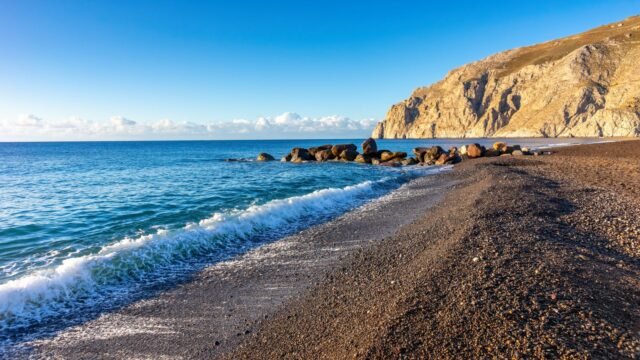
Visit the ancient Bronze Age city of Akrotiri — preserved under volcanic ash for 3,600 years and one…
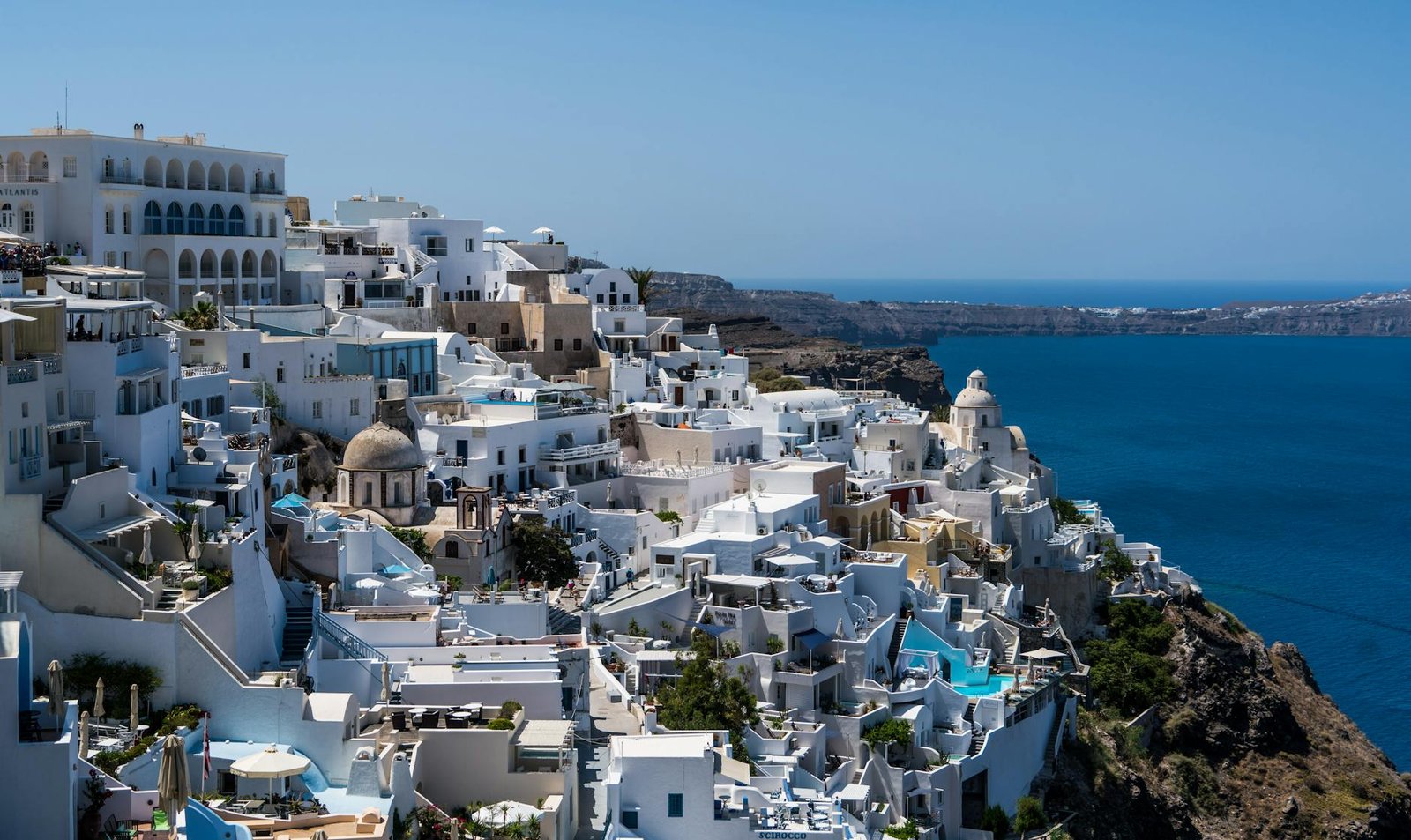
Skip the Oia crowds. These seven hidden spots reveal the Santorini most visitors never see — medieval villages,…
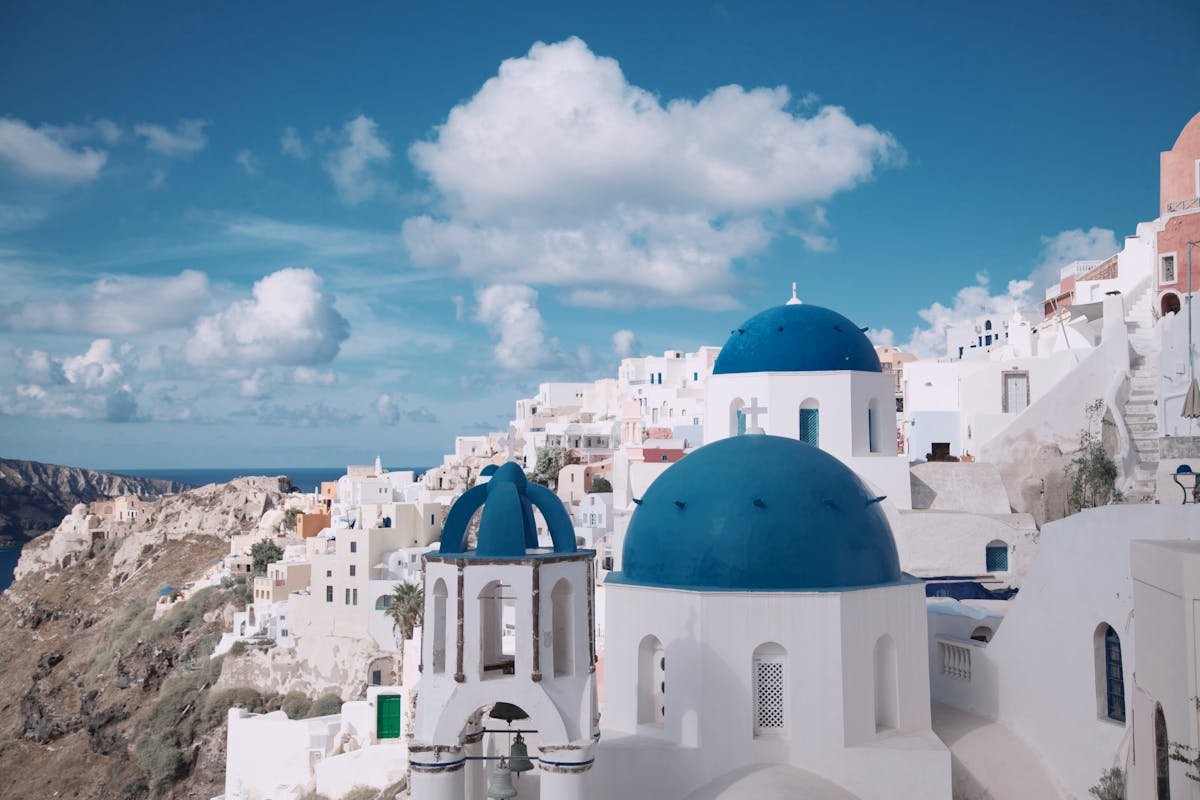
October is Santorini’s shoulder season — and for travellers who actually know what they’re doing, it’s a revelation.…