Santorini is one of those rare places where the reality actually exceeds the photographs. But knowing what to do — and in what order — makes the difference between a good trip and an extraordinary one. This is our definitive Santorini bucket list, built from years of experience on the island.
Watch the Sunset from Oia
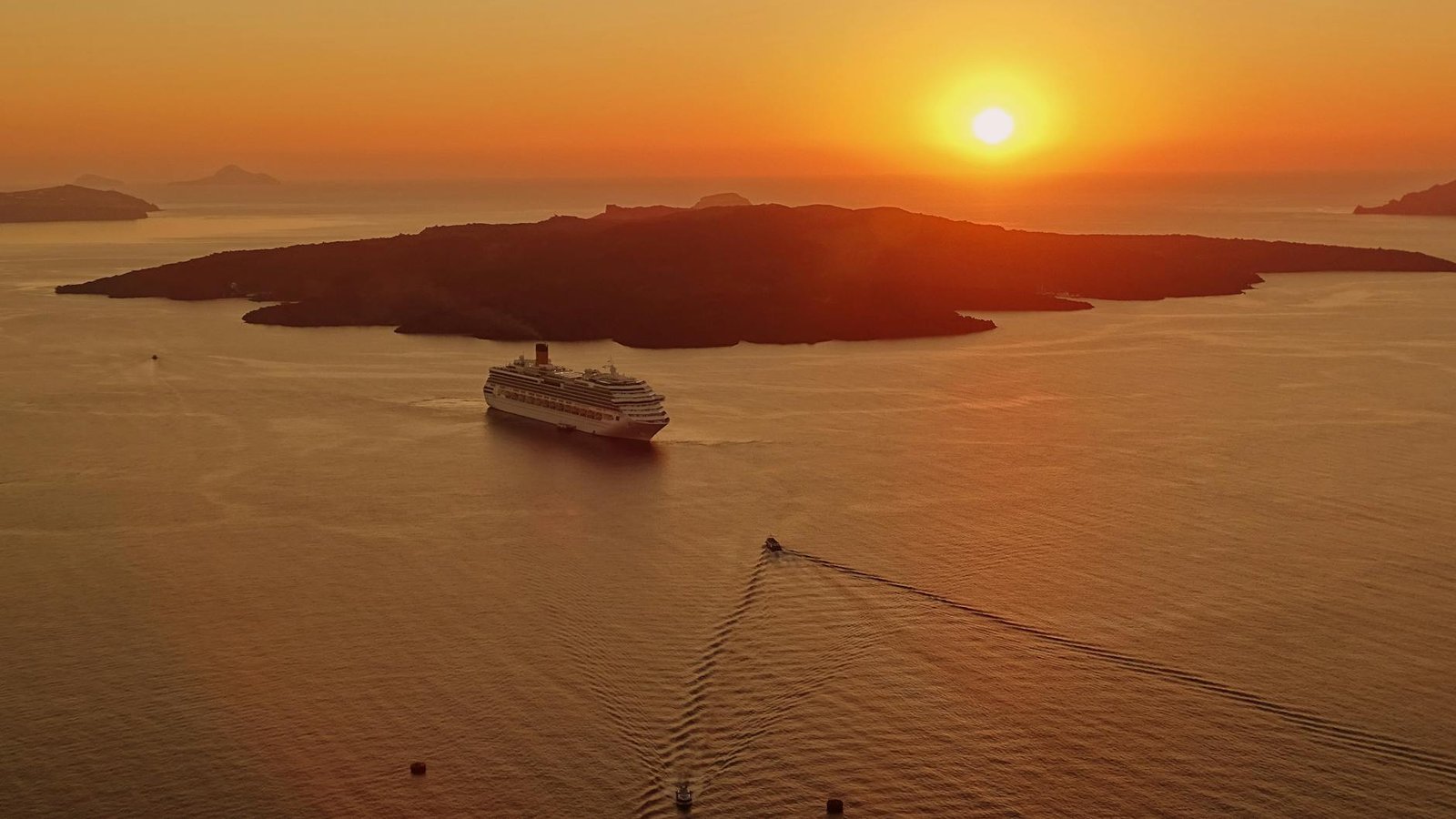
Top PickNo list starts anywhere else. The Santorini sunset — the sun dropping into the Aegean directly west of the caldera, turning the white-washed cliffs gold, rose, and deep orange — is one of the world's great natural spectacles. Get to Oia castle 60–90 minutes early. Not 30. Not 45. People are already claiming their spots an hour out in peak season, and if you arrive late you'll be watching over someone's head. Stay for the afterglow, those 10–20 minutes after the sun disappears when the sky goes deep rose and the village lights start coming on. That's actually the better moment.
Sail a Catamaran on the Caldera
Watching the sunset from a catamaran is actually better than watching it from Oia — no crowds, 180° unobstructed view, a chilled glass of Assyrtiko in your hand. Full-day and sunset tours include hot springs, Red Beach, and mezze on board. Book at least 2 weeks ahead in summer.
Visit Akrotiri — Santorini's Prehistoric City
A Bronze Age city buried under volcanic ash since 1613 BC — multi-storey buildings, indoor plumbing, extraordinary frescoes. It's comparable to Pompeii but older, and somehow even less crowded, which is criminal given how good it is. Combine it with the Museum of Prehistoric Thera in Fira, where the original frescoes are kept, for the full picture. Give yourself at least 2 hours and go early — it opens at 8am and the first hour is peaceful.
Walk the Caldera Path from Fira to Oia
Ten kilometres along the caldera rim, passing through Firostefani, Imerovigli, and Skaros Rock before reaching Oia. Allow 4–5 hours. Start before 8am in summer — this is non-negotiable if you don't want to finish the walk completely destroyed by heat. The stretch around Skaros Rock, a volcanic promontory that's almost always deserted, delivers some of the finest views on the island and almost nobody stops there.
Taste Assyrtiko Wine at a Caldera Winery
Santorini's volcanic soil produces wine unlike anything else in the world. Assyrtiko — dry, mineral, intensely saline — is the island's signature white, and tasting it with a view of the caldera is the right way to do it. Santo Wines has the terrace, Gaia Wines is out near Megalochori if you want something more low-key, and Domaine Sigalas up at Baxedes is worth the extra drive. September is harvest season — some wineries let you participate in the grape picking, which sounds touristy but is genuinely fun.
Swim at the Red Beach
Dramatic red volcanic cliffs dropping straight into clear water. Get there before 9am or go by boat — midday it's packed and the pebbles radiate heat like a pizza oven. Wear water shoes. The rocks underfoot are sharp enough to ruin an afternoon if you're barefoot. Combining it with a catamaran tour is the easiest option and means you avoid the walk entirely.
Explore the Kasteli of Pyrgos
The highest village on the island, with labyrinthine lanes dating from the Venetian era — 13th century. You enter through the original single gate, the Kasteloporta, above which defenders once poured boiling oil on attackers, which says a lot about what life up here used to be like. Climb to the summit ruins for 360° island views. Have lunch at one of the small restaurants tucked into the lanes. Almost no tourists come here compared to Oia and Fira, which is exactly why it's worth the detour.
Eat at Ammoudi Bay Fish Tavernas
Descend Oia's 214 steps to the tiny port at Ammoudi Bay, where three competing tavernas sit directly on the waterline. Order the octopus — dried on the line, chargrilled — fresh fish, and the lobster pasta. Arrive for lunch when the boats come in, or late afternoon before the Oia sunset crowds descend and the steps become a procession. The walk back up is brutal but worth it.
Explore Emporio — The Largest Kasteli
The best-preserved medieval village in Santorini, with a labyrinthine defensive layout designed specifically to confuse pirates — the lanes twist and dead-end on purpose. It's the only kasteli on the island with an extra observation tower. Mornings you'll still find elderly locals selling traditional produce and fish in the central square, which feels like a different island entirely. Allow 2 hours to walk the full kasteli.
Visit the Megalochori Heart
In the caldera wall near Megalochori — the island's smallest village despite its name — there's a natural heart-shaped opening in the volcanic rock. From inside you can see directly to the volcano. It's one of the island's most photogenic and least-visited spots, which is a genuinely strange combination given how obsessively people photograph Santorini.
Snorkel in the Hot Springs of Palea Kameni
Jump off the catamaran into sulphur-warm water, around 35°C, tinted orange by iron deposits. The hot springs at Palea Kameni are part of every catamaran tour and one of those experiences that sounds odd but feels extraordinary once you're floating in warm volcanic water in the middle of the Aegean. Wear an old swimsuit — the sulphur stains, and it doesn't wash out.
Walk the White Streets of Oia at Dawn
Oia's narrow lanes — uniquely paved with marble rather than volcanic stone, brought here by the island's wealthy 19th-century ship captains — are shoulder-to-shoulder by 9am in summer. At 6am, before the cruise ship passengers arrive, they're completely empty. The light at that hour is also completely different. Bring a camera and give yourself two hours to wander without anyone in your frame.
Visit the Skaros Rock Ruins
From Imerovigli, a 30-minute hike leads to this extraordinary volcanic promontory — ruins of a 13th-century Venetian fortress destroyed completely in the 1956 earthquake. The caldera view from the tip of Skaros, looking north toward Oia and south toward Fira simultaneously, is genuinely breathtaking and almost always deserted. It's one of the few spots on this island where you might actually have the view to yourself.
Try Tomatokeftedes at a Traditional Taverna
Santorini's cherry tomatoes — grown without irrigation in volcanic soil — are intensely concentrated and unlike anything from the mainland. Tomatokeftedes, crispy tomato fritters, are the island's most beloved snack. Quality varies enormously between tourist-area restaurants and genuine local spots. Best versions: Metaxy Mas out in Exo Gonia and the Ammoudi fish tavernas. Skip anything in the main Fira tourist drag.
Watch the Sunrise from Imerovigli
While everyone watches the sunset in Oia, the sunrise from Imerovigli is an experience almost entirely your own. The eastern sky turns brilliant shades of pink and gold as the caldera wakes up — no jostling, no tripods in your face, no crowd counting down. Have a coffee at one of the small cafes on the caldera path as the light changes. It requires an early alarm, but so does everything worth doing here.
Take a Photography Tour at Golden Hour
A guided photography tour at golden hour — sunrise or pre-sunset — reveals Santorini through completely different eyes. A local guide takes you to the precise viewpoints that produce the iconic shots, helps you work around the crowds, and shows you angles that casual visitors never find. The three famous blue domes of Oia require a very specific position on a narrow terrace above the church — finding it alone takes 30+ minutes of searching, usually just as the light goes flat.
Explore the Wine Museum at Koutsogiannopulos
The Koutsogiannopulos Wine Museum — carved into a natural tunnel in the volcanic earth — is one of the top 10 wine museums in the world and tells the complete story of Santorini's 3,500-year wine history. It's unusual, genuinely interesting, and far cheaper than most caldera-view experiences. Ends with a wine tasting, which is exactly when you want one.
Discover Finikia Village Near Oia
A 15-minute walk southeast of Oia, Finikia is an inland village that escaped serious earthquake damage and preserves its original Venetian-era architecture intact — large-facade houses, outdoor ovens, stone walls. Very different from the cliff-hugging drama of Oia, and almost no tourists. One small church, Saint Matrona, pink with a palm tree courtyard, celebrates its name day on October 20th with a traditional village feast if you happen to be there.
Rent an ATV and Explore the South
The bus network covers Oia, Fira, Perissa, Kamari, and Akrotiri — but everything between is ATV territory. The volcanic landscapes of the southern peninsula, the Faros lighthouse with 360° sea views, the quiet harbour at Vlychada with its alien white pumice cliffs, the deserted Mavros Kavos headland — none of these are accessible without wheels. Rent from any shop in Fira or Perissa, from around €25 a day. Start early and carry water. The southern roads have almost no shade.
Attend a Village Panigyri (Feast)
Every village church celebrates its patron saint's name day with a panigyri — a traditional outdoor feast with music, dancing, food, and wine, open to everyone. Oia's largest falls on August 4th, the feast of the 7 Children of Ephesus, with flag-decorated boats gathering at Ammoudi's cave-church, accessible only by sea. Pyrgos has a spectacular Good Friday tradition with fires lit in tin lamps throughout the entire village. These are authentic local celebrations where foreigners are genuinely welcomed — not performed for tourists, just extended to them.
Practical Notes for Your Santorini Bucket List
Order matters: Do Akrotiri early (opens 8am, less crowded). Oia sunset requires early arrival. Caldera hike must start before 8am in summer. Ammoudi lunch is best when boats arrive (midday).
Book ahead: Catamaran tours (2–3 weeks in July/August), caldera-view restaurant dinners (1 week minimum), photography tours (3–5 days).
Get off the main circuit: The standard tourist path covers Oia, Fira, and maybe Akrotiri. Everything else on this list is dramatically less crowded — often completely empty in the early morning.
Frequently Asked Questions
Is it better to watch the sunset from Oia or Fira?
Can you visit the volcanic beaches and hot springs in one day?
Do I need a car to get around Santorini?
What's the best time to hike the caldera without it being too hot?
Are the wine tours worth the cost and time?
More Things to Do in Santorini
Top-rated experiences with free cancellation and instant confirmation.
Related Articles
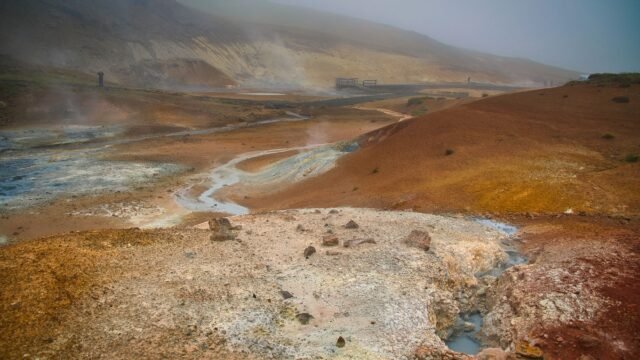
What Visiting the Santorini Hot Springs Is Actually Like The Santorini hot springs experience is genuinely unlike anything…
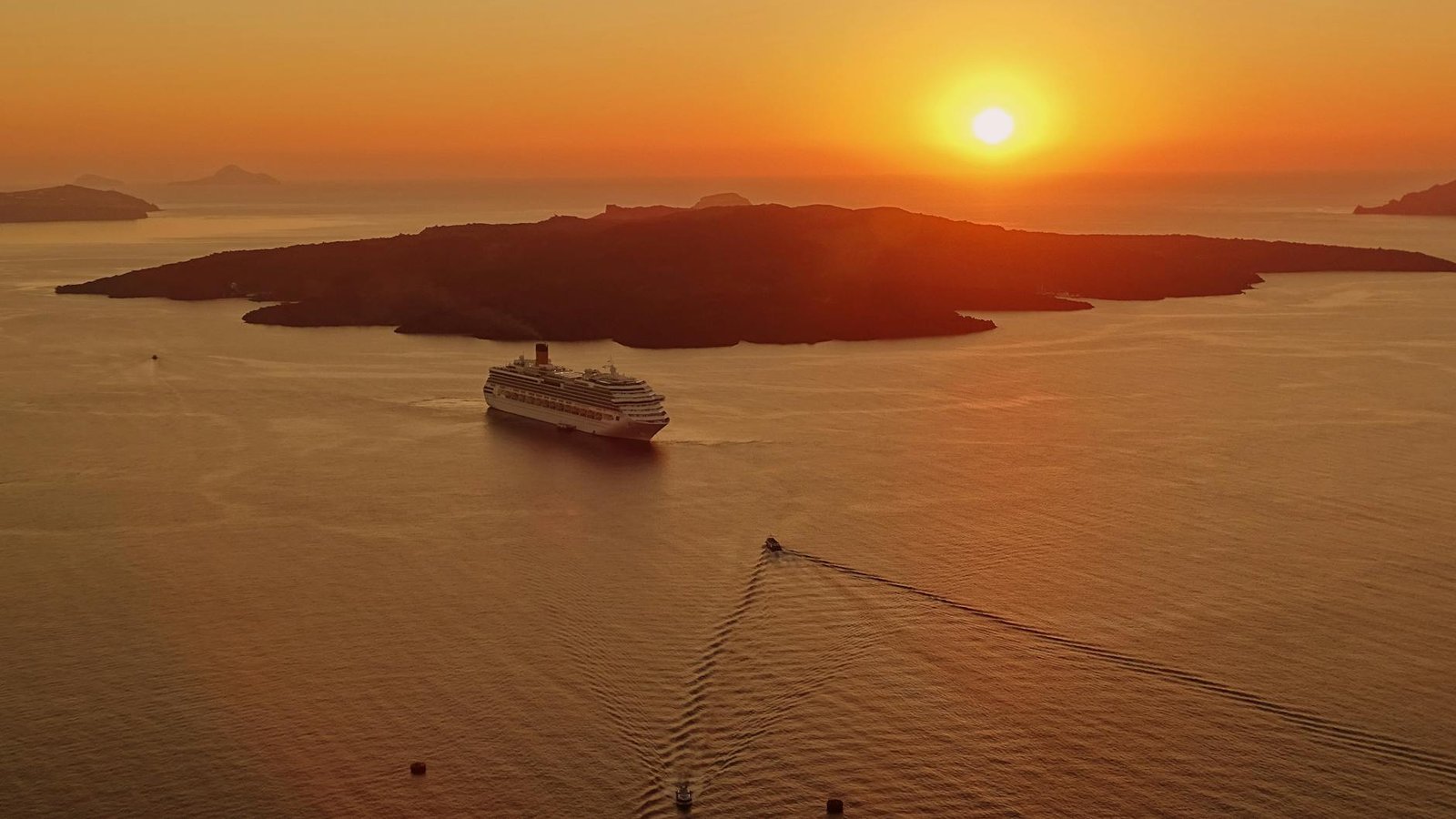
July is Santorini’s peak month. The most visitors, the highest prices, the most spectacular sunsets — and the…
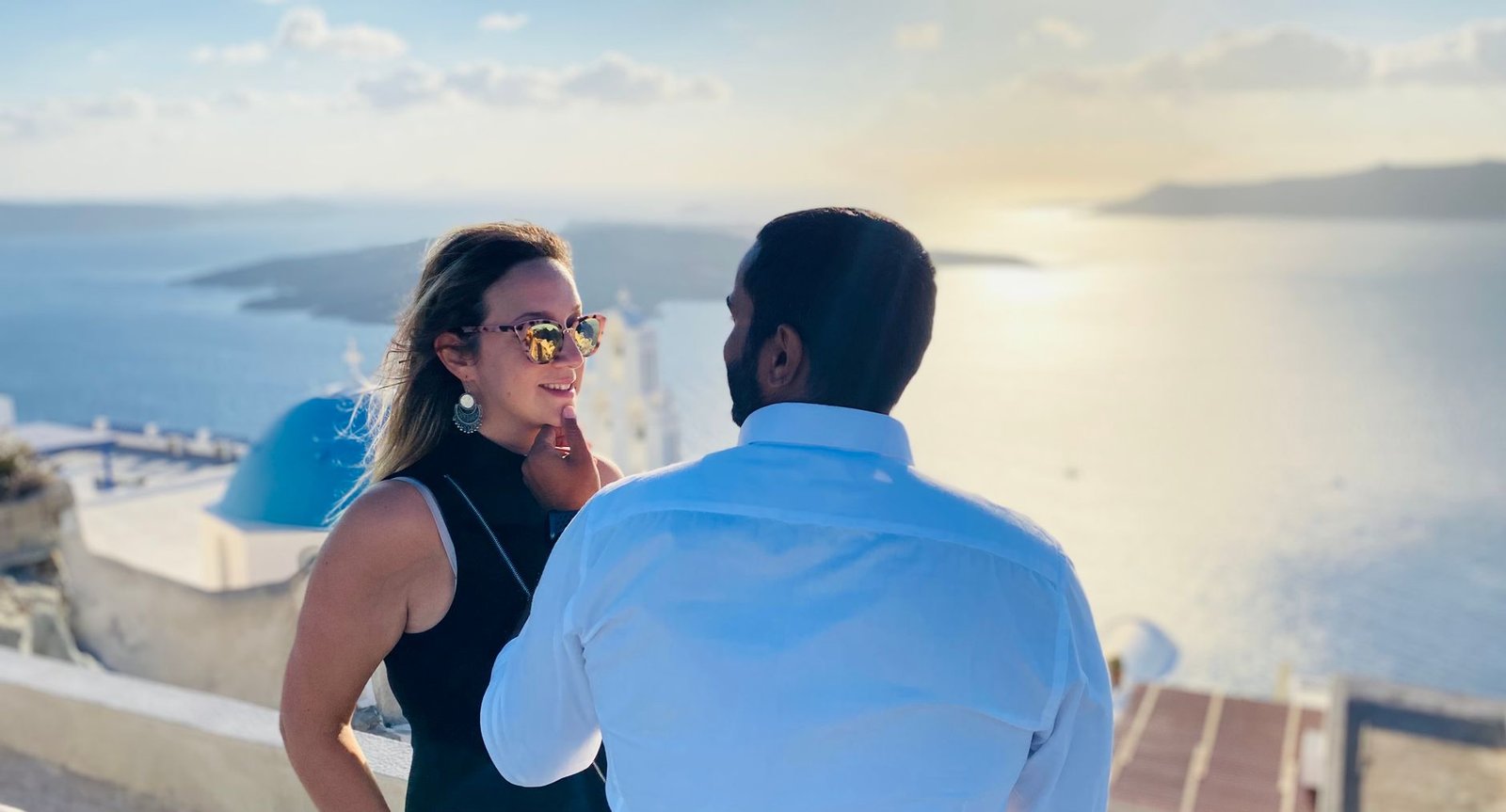
Here are the latest guides we published on SantoriniToursHQ this month. Fresh, hand-written, and packed with practical detail…